Kinnaur Kailash Yatra 2026: Free medical services for pilgrims
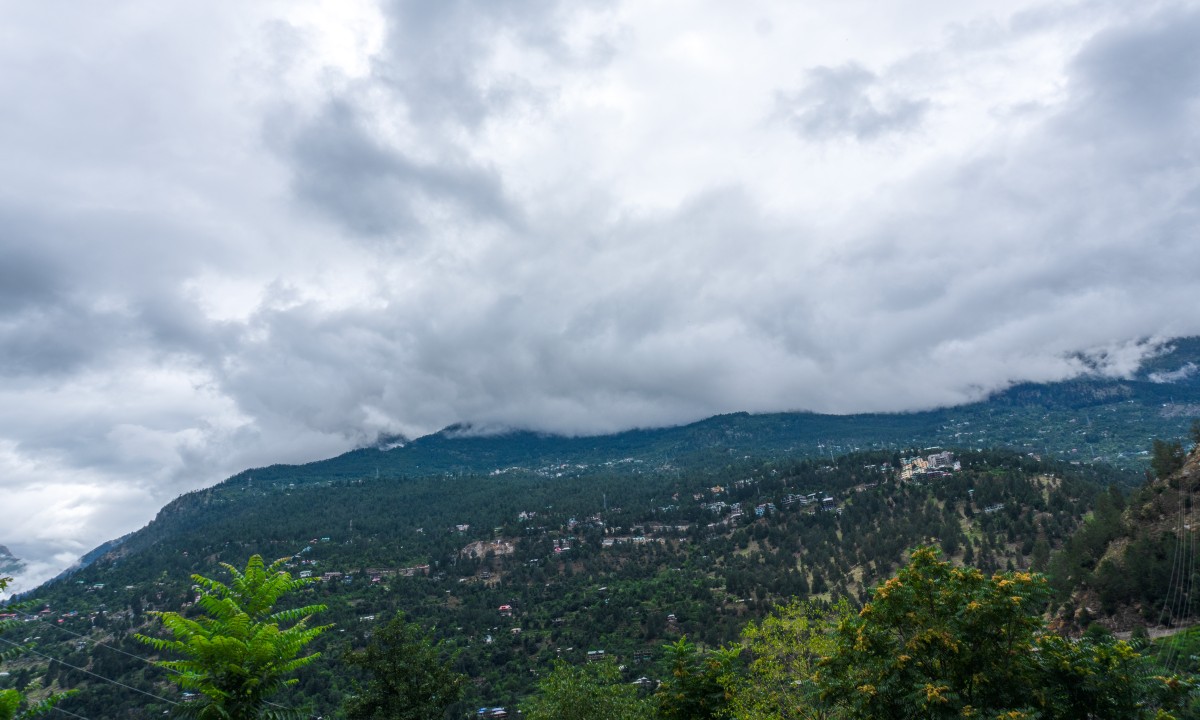
In the Himalayan range stands the 6,050‑meter Kinnaur Kailash mountain, revered as the divine abode of God Shiva. Near its upper reaches rests the rock Shiva Lingam, the sacred destination that inspires countless devotees to undertake this pilgrimage each year. This journey inspires devotion and perseverance among devotees despite being physically demanding. The route remains steep and narrow throughout, and its final stretch is covered with boulders, making the climb even more challenging.
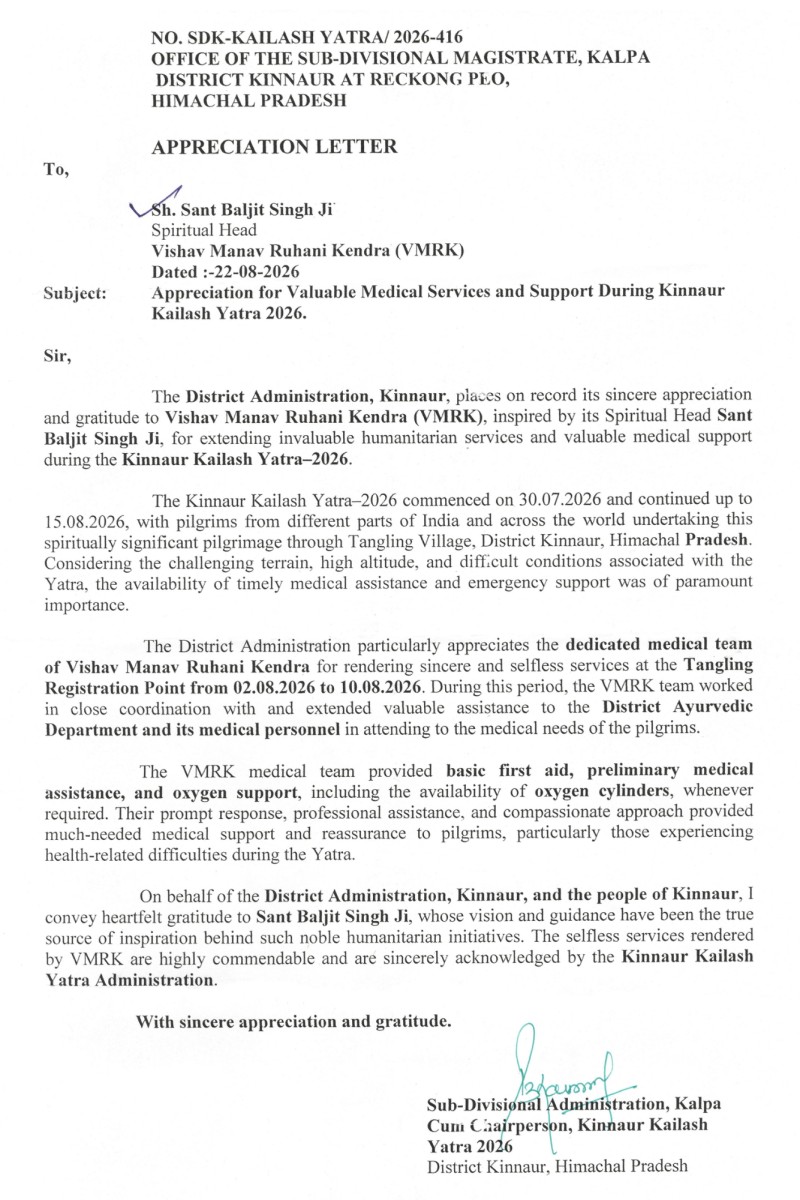
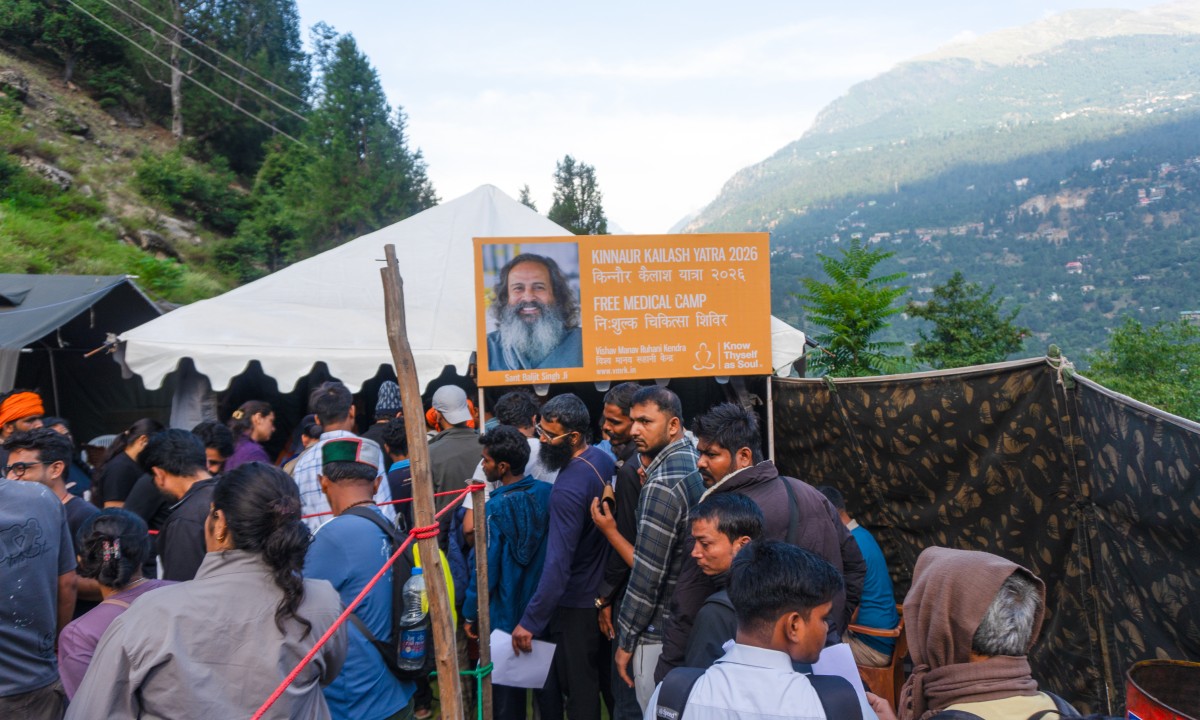
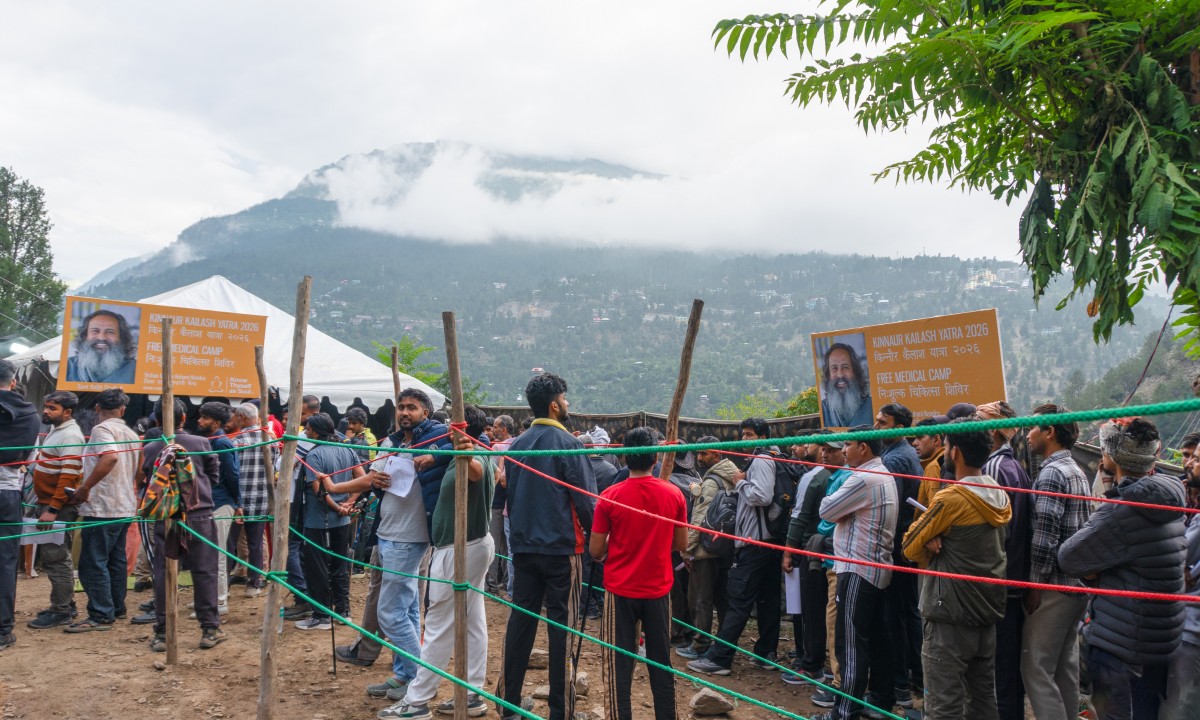
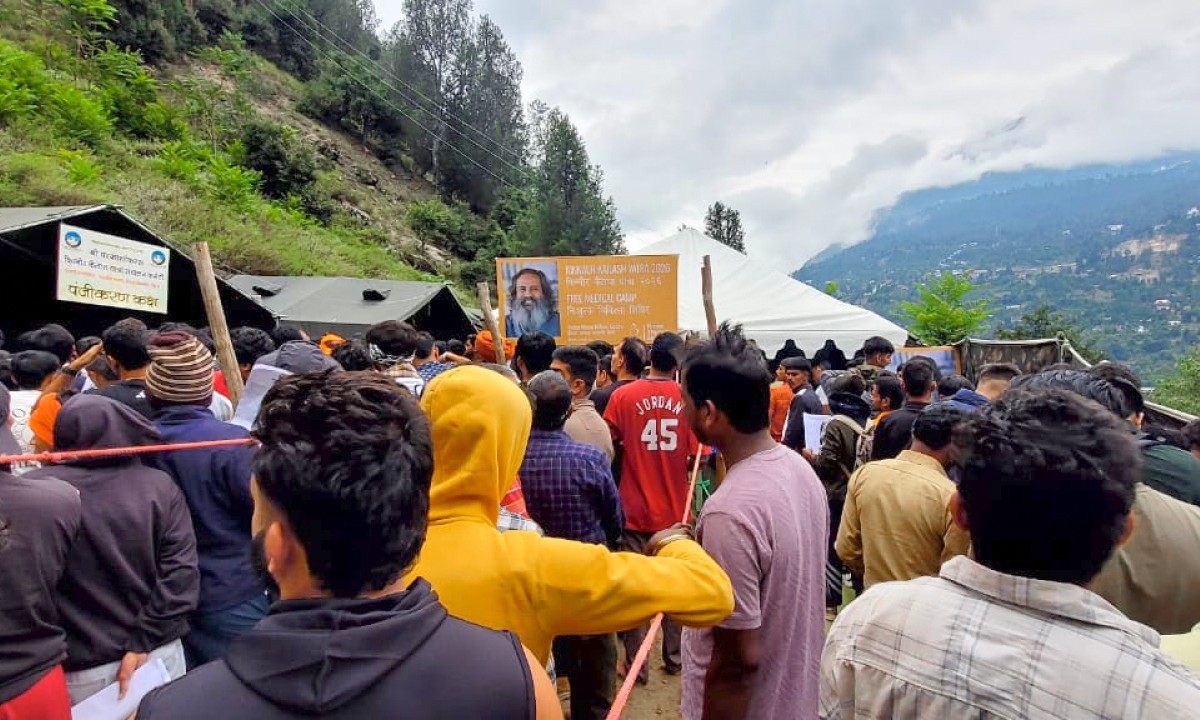
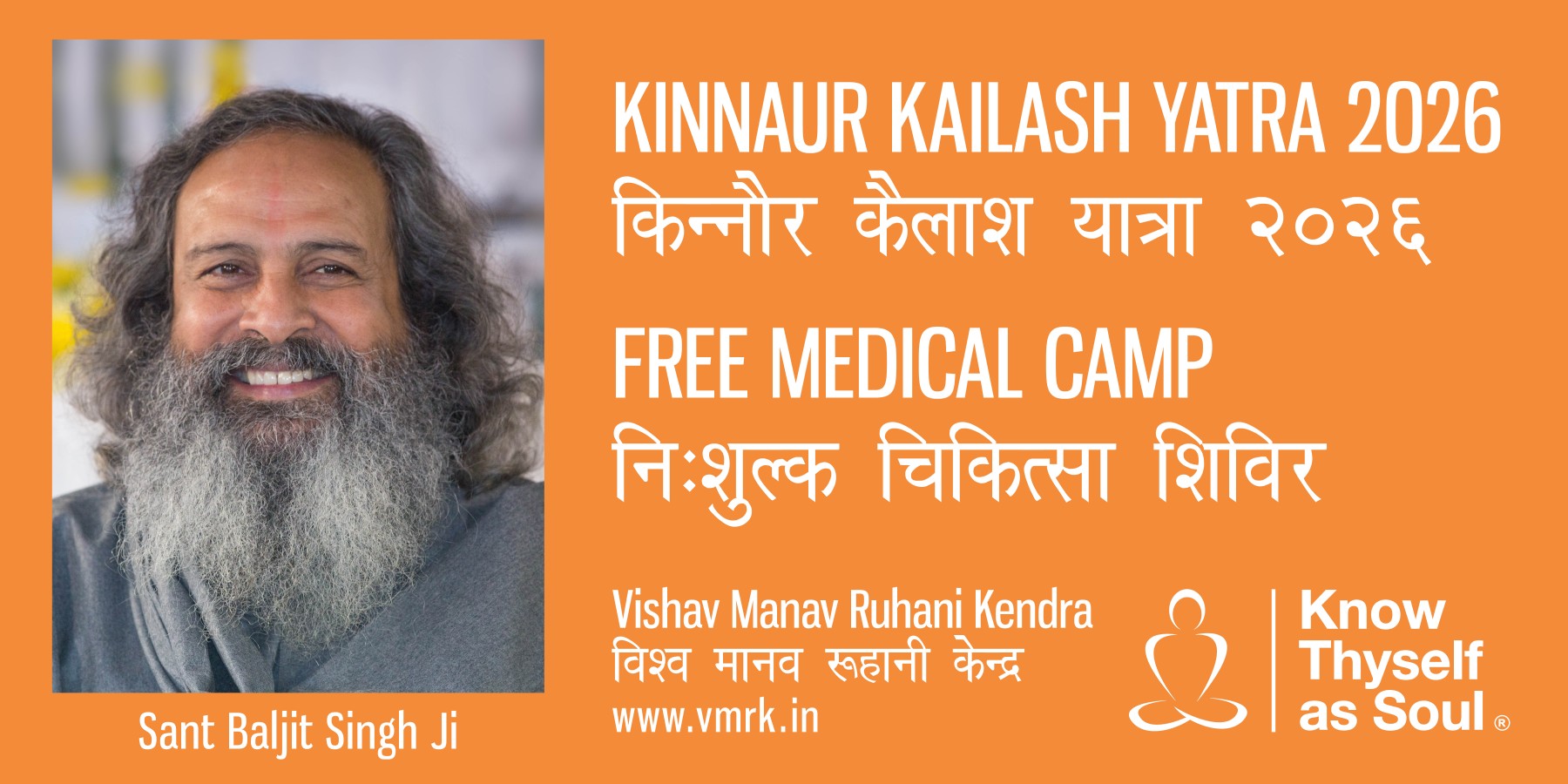
Each year, Vishav Manav Ruhani Kendra (VMRK) serves this yatra to ease the journey for those who undertake it. This year, VMRK received permission to set up a medical camp at Tangling village, the base camp of the most popular pilgrimage route. The camp offered services from August 2 to 10.
Planning and preparation
On July 27, VMRK received permission, and volunteers immediately swung into action. With the Kanwar Yatra unfolding at the same time, volunteers at Lighthouse Center Nawan Nagar divided their energy between both pilgrimages.
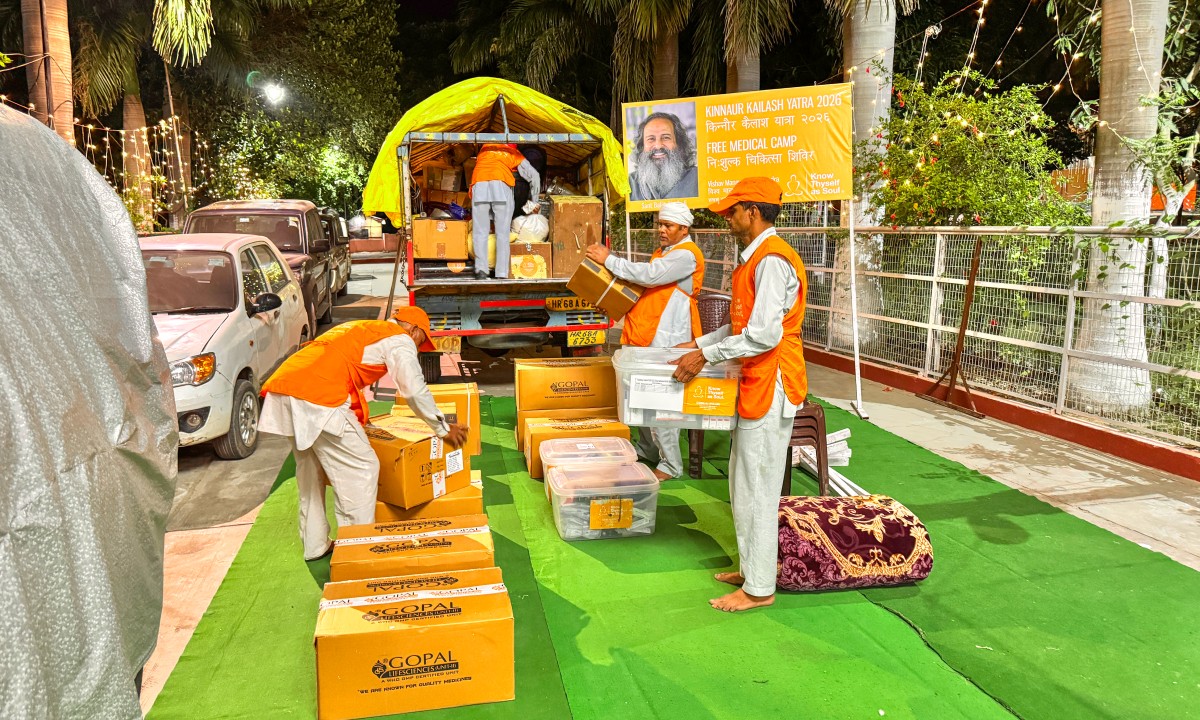
For Kinnaur Kailash yatra, they packed general medicines, emergency medicines, emergency injections, and drip sets. As the administration had permitted 375 pilgrims to undertake the yatra each day this year, quantities were planned accordingly. Alongside these, essential pieces of equipment were added to the supplies, including an oxygen concentrator, an ECG machine, a multipara monitor, oxygen cylinders, disposable oxygen cylinders, and a defibrillator.
By late night on July 31, volunteers had loaded 16 boxes of medicines, equipment, and other setup materials onto a pickup truck. Not long after, the team set off from Lighthouse Center Nawan Nagar, eager to serve the pilgrims with love and devotion.
Arrival and setup
The team reached near the location by the evening of August 1. Early the next morning, they parked the pickup truck about 200 meters from the campsite—the closest point it could reach. From there, our volunteers lifted the remaining materials onto their shoulders and carried everything on foot for the rest of the way.
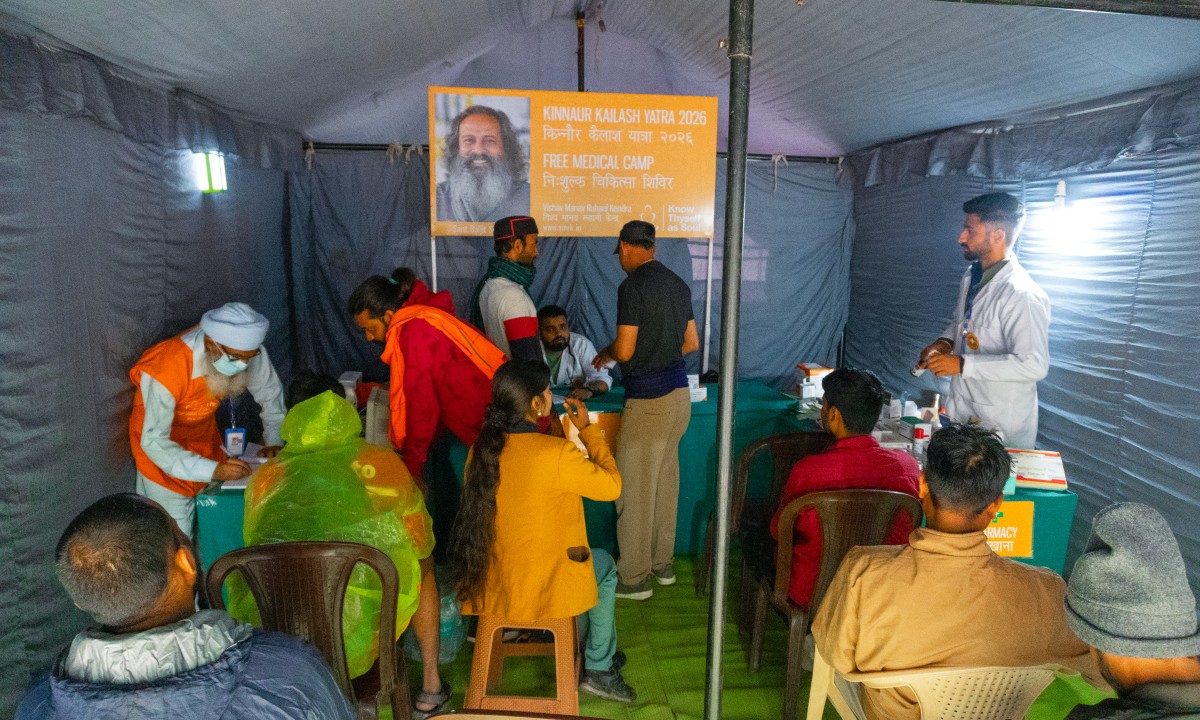
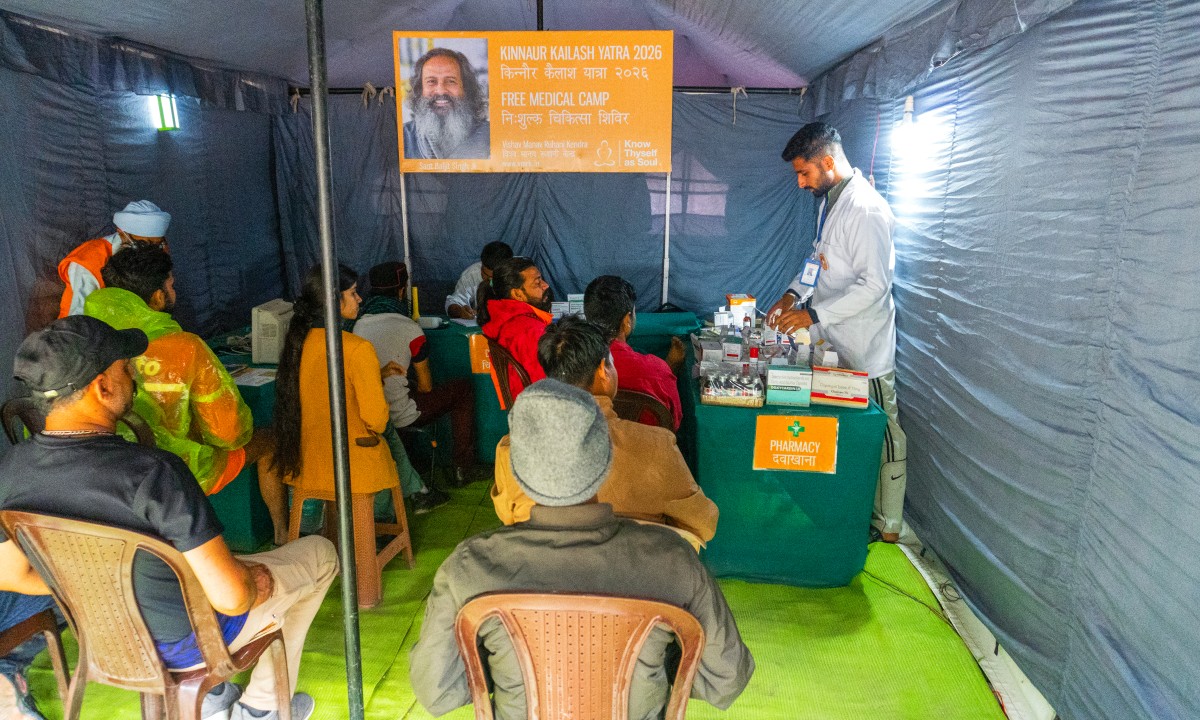
At the site, they set up a waterproof tent measuring 15 by 16 feet. Inside, volunteers arranged two beds for in‑house medical care, along with tables and chairs for the camp’s services. By afternoon, the camp stood ready, and its doors opened to pilgrims.
DAYS OF ROUND-THE-CLOCK FREE MEDICAL SERVICE AND PATIENT CARE
PILGRIMS RECEIVED MEDICAL TREATMENT, MEDICINES AND FIRST AID
Daily round-the-clock services
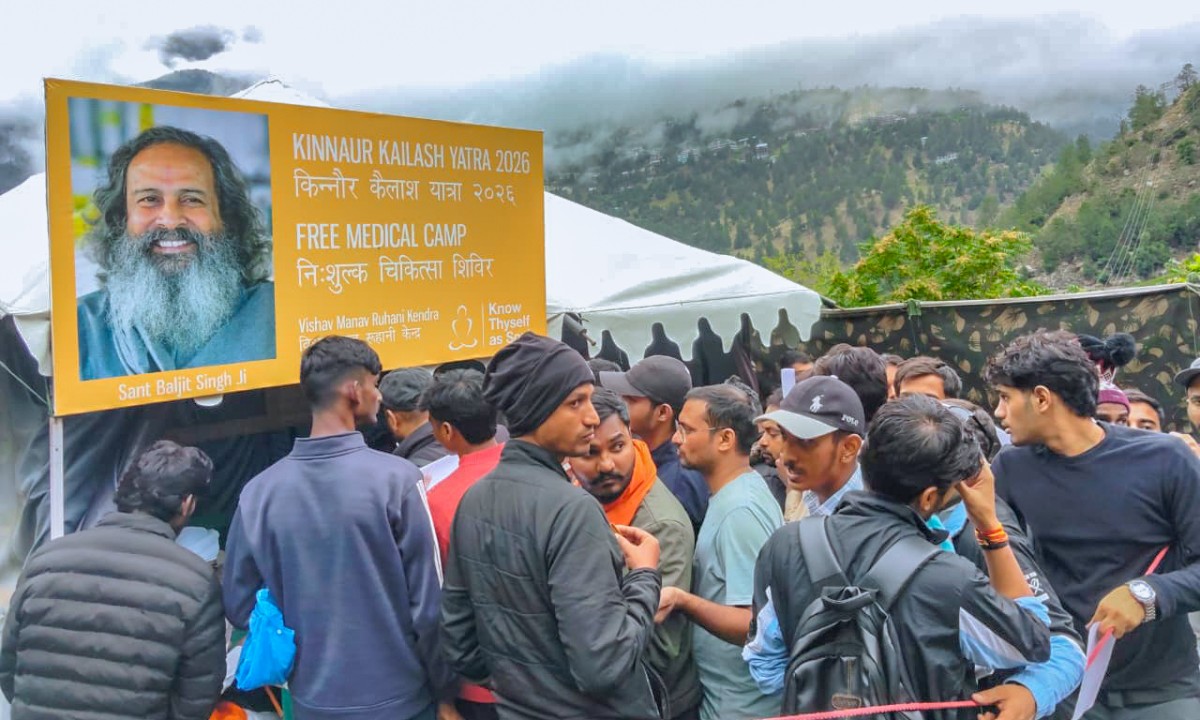
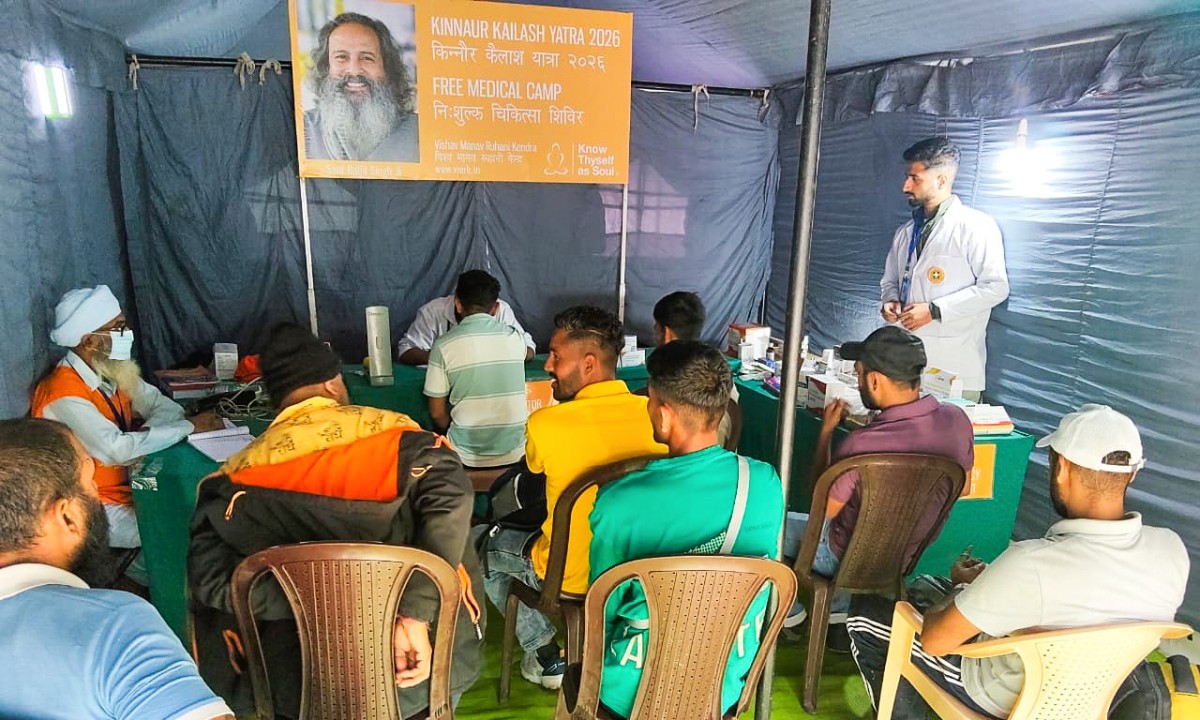
Each day, volunteers registered every pilgrim arriving at the camp for medical care. Nearly all pilgrims had their vitals checked—blood pressure, pulse rate, and oxygen saturation—before being examined by the doctor. After consultation, they were guided to the pharmacy counter to receive their prescribed medicines.
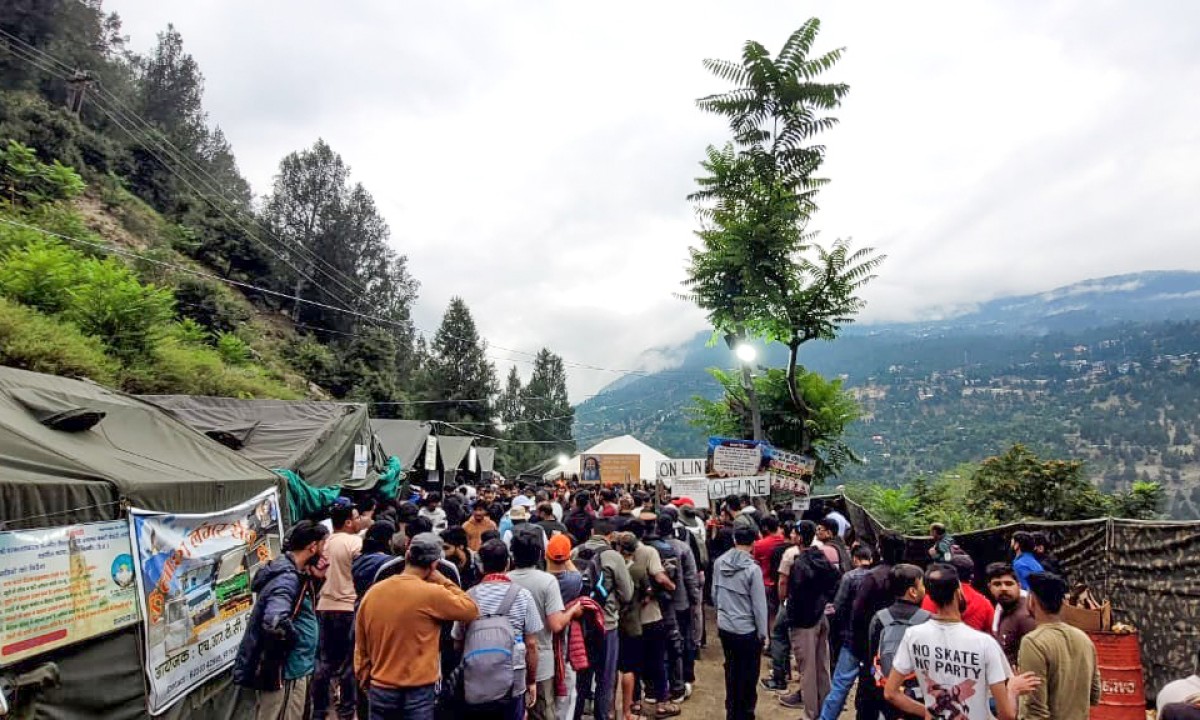
The administration took extra safety precautions given the yatra’s demanding nature and low oxygen levels at high altitude. Only medically fit individuals were permitted to proceed with the journey between early morning and 1 pm. During these hours, the camp saw many pilgrims who were unfit for the trek. The medical team treated them with oxygen and other care to help them recover. Other pilgrims, mindful of the route ahead, asked for medicines to carry with them, and the team happily obliged.
After 1 pm, the flow of ascending pilgrims dropped, and those returning from the yatra began arriving instead. Their conditions reflected the strain of the trek: body pain, leg pain, blisters, extreme fatigue, and weakness were common. Because the pilgrimage coincided with the monsoon season, rain added to their exertion, bringing on colds, coughs, and fever as well.
Service conclusion
Finally, on August 10, VMRK’s service concluded when the yatra drew to a close. Over nine days, a team of five medical professionals and volunteers offered round‑the‑clock care. Collectively, they served and supported more than 1,320 pilgrims on their sacred journey.