
Shree Saptashrungi Nivasini Devi Temple: Chaitra Navratri Utsav 2026
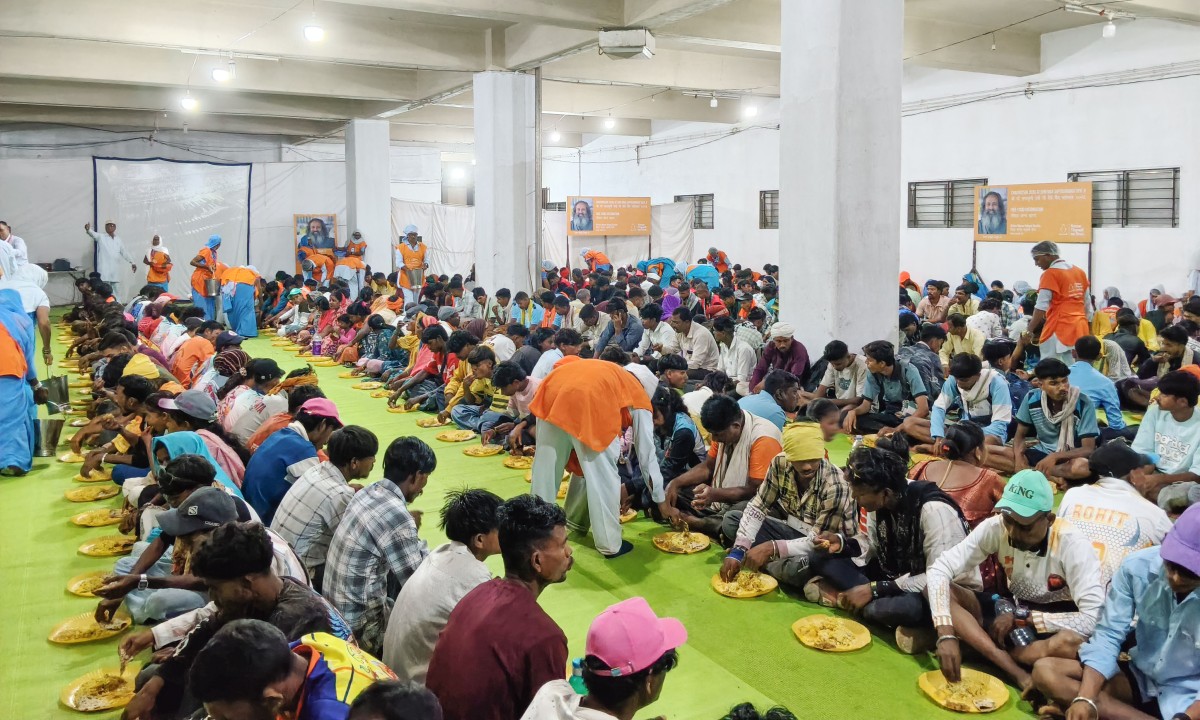
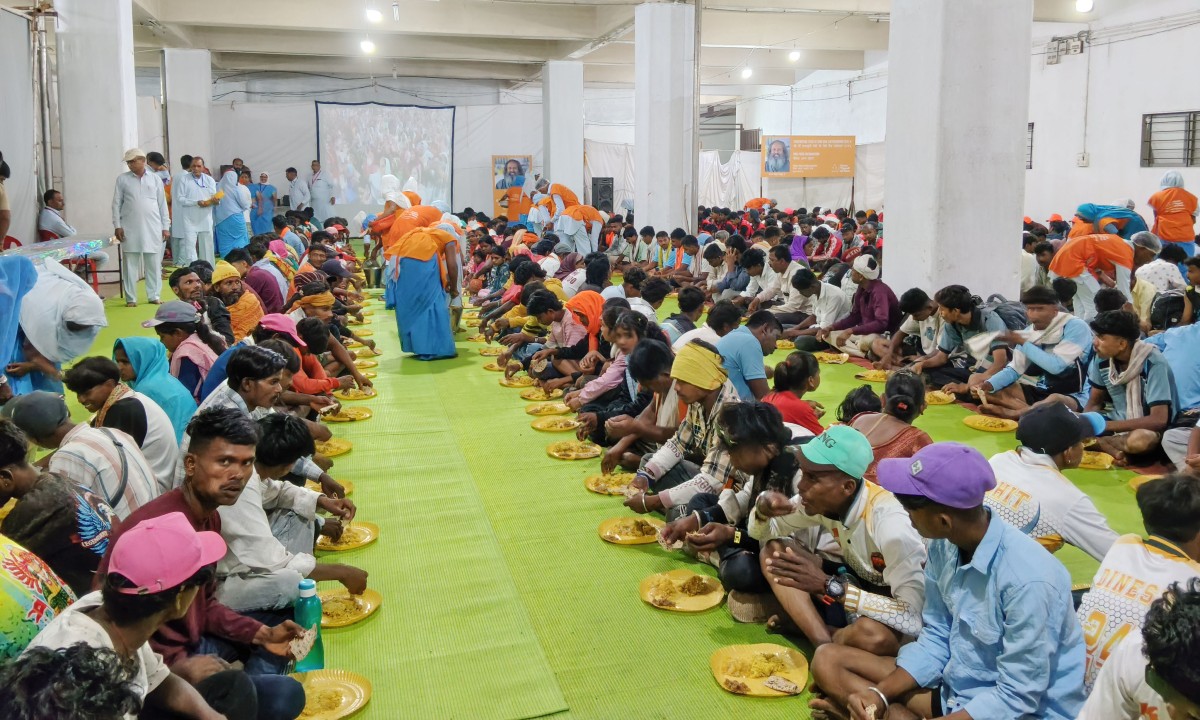
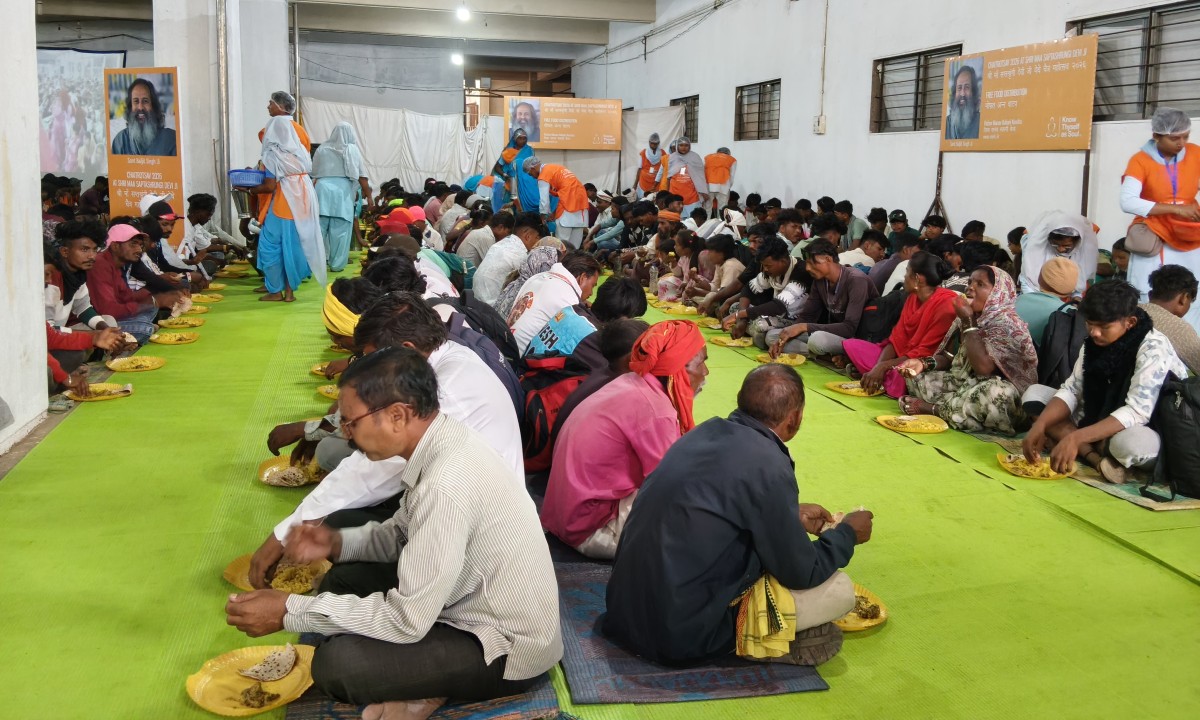
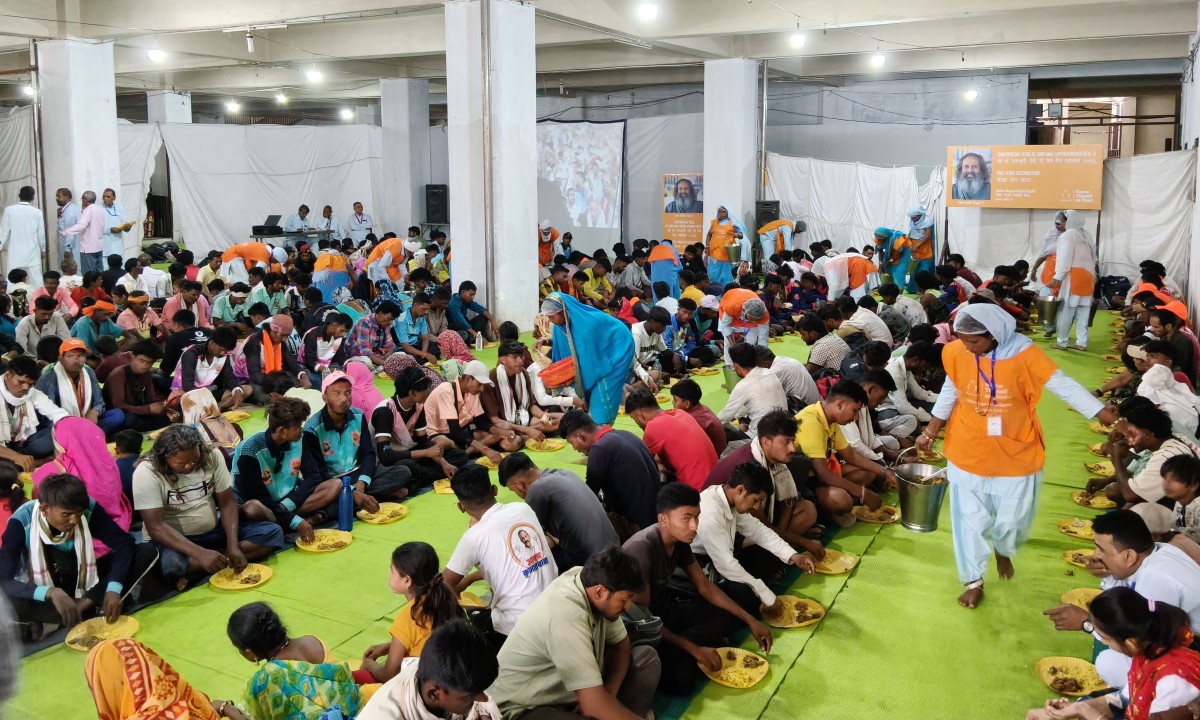
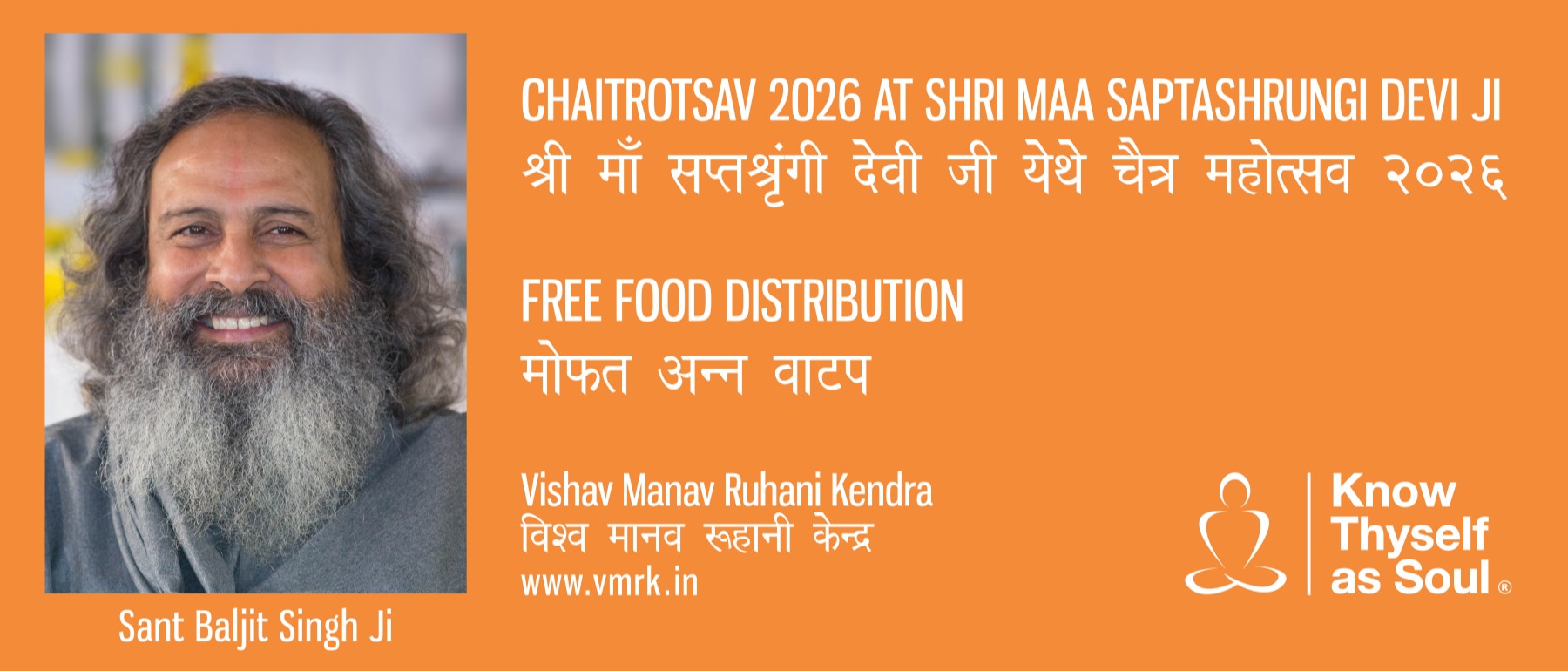
Sant Baljit Singh Ji regularly emphasizes the principle of service to humanity. In one of his teachings, he said, “Serve selflessly with love and serve safely, ensuring your well-being as well as the well-being of those around you. By doing so, we are serving God in different forms.”
These teachings form the foundation of all charitable services conducted by Vishav Manav Ruhani Kendra (VMRK). Likewise, they guided VMRK in 2024, when VMRK began serving pilgrims at celebrations at the Shree Saptashrungi Nivasini Devi Temple. Since then, VMRK has served pilgrims at multiple celebrations at the temple, always upholding the principles of serving selflessly with love and care.
One such celebration is the Chaitra Navratri Utsav observed in the Hindu lunar month of Chaitra (March–April). It begins on Ram Navami, the ninth day of Chaitra, and concludes on Chaitra Purnima, the Chaitra full moon. During this period, hundreds of thousands of devotees visit the temple, with the highest influx observed in the days leading up to Chaitra Purnima. Many undertake long journeys on foot, chanting praises of the Goddess, with some even carrying flags.
This year, Chaitra Purnima was observed on April 1, 2026. VMRK began offering food services a few days earlier on March 28, and started medical and ambulance services on March 29. All services continued until April 2, 2026.
Site visit and preparations
VMRK volunteers began by meeting the temple administration to discuss and coordinate arrangements for this year’s services. They then visited the allotted hall—an 85‑by‑100‑foot space located about one kilometer from the temple—to understand the layout and requirements. Based on this visit, volunteers finalized arrangements for cleaning the site, ensuring water supply, and managing other essential logistics.
Back at Lighthouse Center Pimpalner, volunteers commenced preparations. They sourced tables, chairs, mats, food supplies, cooking and serving utensils, and medicine stocks. Large display banners were printed and the ambulance was thoroughly cleaned and readied for emergency medical assistance. When preparations were complete, volunteers then loaded the materials onto two trucks and departed for the service site.
VEGETARIAN MEALS WERE FRESHLY COOKED AND SERVED AROUND THE CLOCK TO DEVOTEES
PILGRIMS RECEIVED FREE MEDICAL TREATMENT FOR WOUNDS AND VARIOUS MEDICAL CONDITIONS
MEDICAL PROFESSIONALS PROVIDED MEDICAL SERVICE 24 HOURS DAILY
VMRK volunteers prepareD and serveD meals and assistED at the medical camp
Arrival and set up
Upon arrival on March 28, VMRK volunteers promptly began setting up the assigned hall for the medical camp, food service, stock storage, and their accommodation. For cooking, volunteers set up a tin shed kitchen approximately 40 meters from the hall.
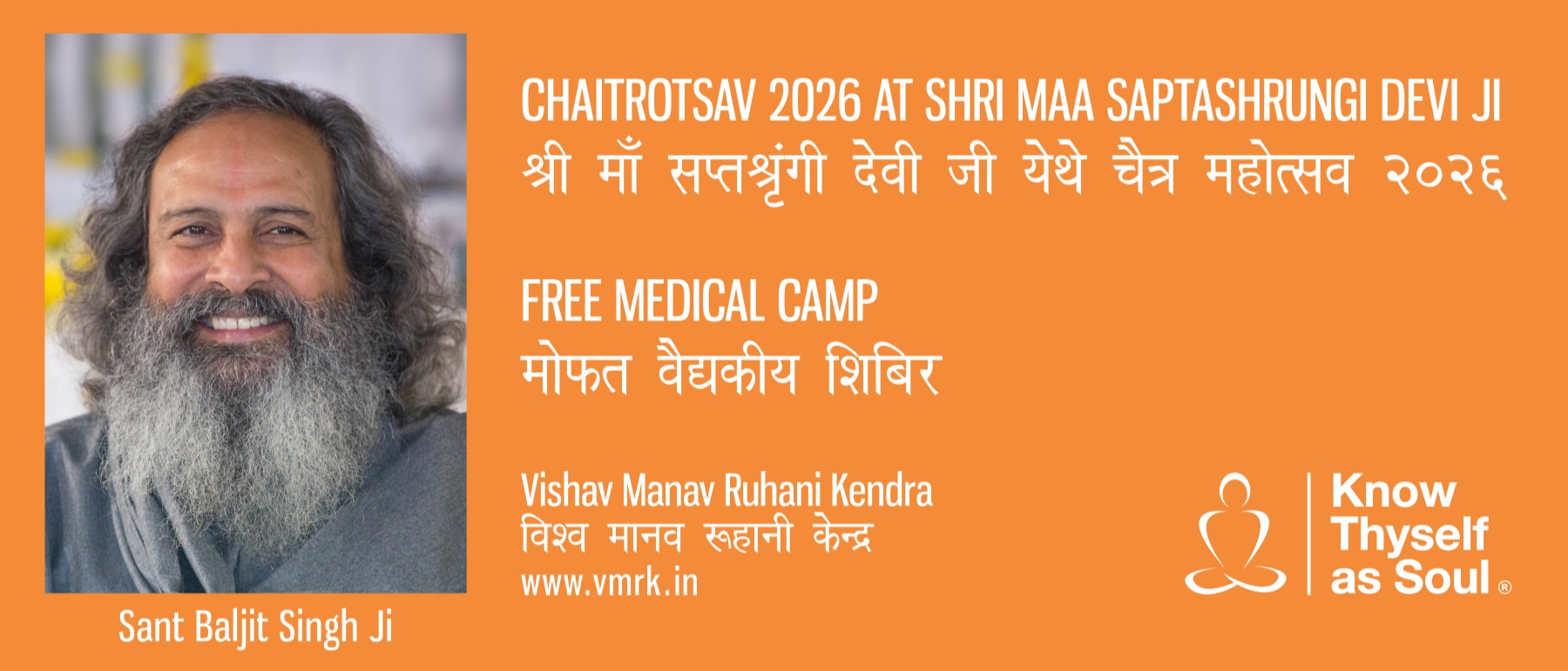
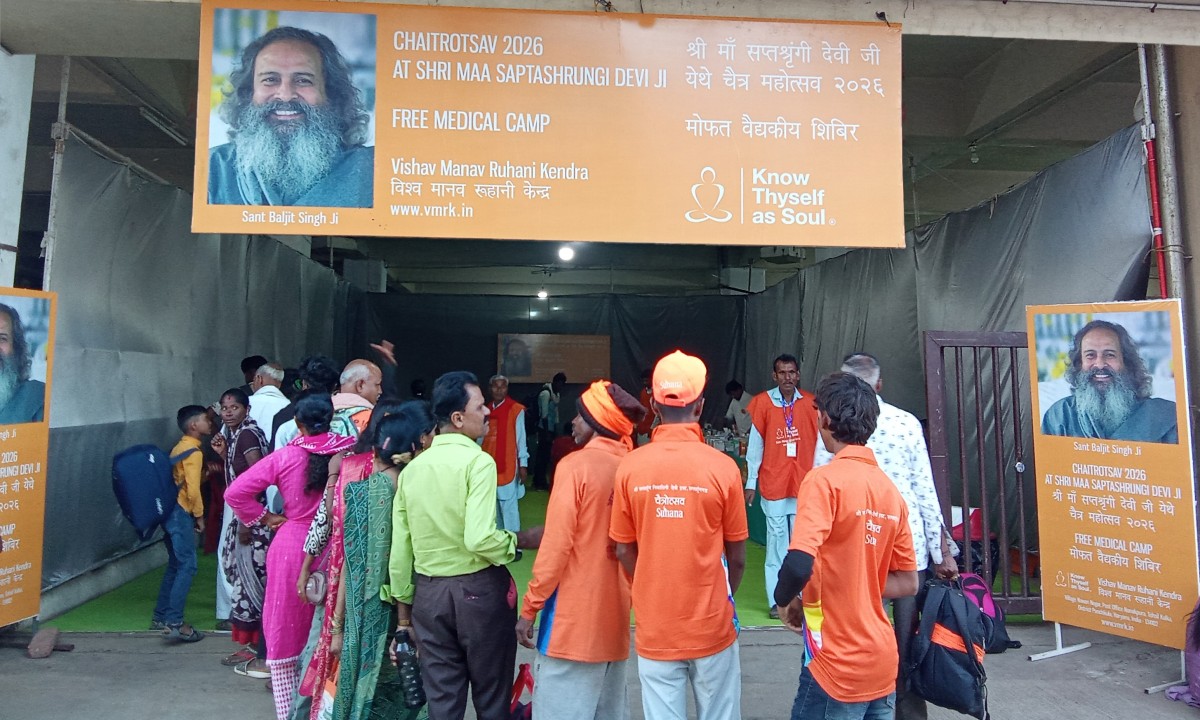
Having served pilgrims on multiple occasions in the past, VMRK’s services are now familiar to many devotees. Nevertheless, VMRK displayed large banners at the service site and along the pilgrims’ route to encourage pilgrims to avail the services.
Among all the pilgrimages served by VMRK, this service brings together one of the largest groups of volunteers. Working around the clock in shifts, volunteers take on a wide range of responsibilities for the smooth functioning of the services. This year, more than 260 volunteers from nearby VMRK centers participated in this initiative.
Serving food with love
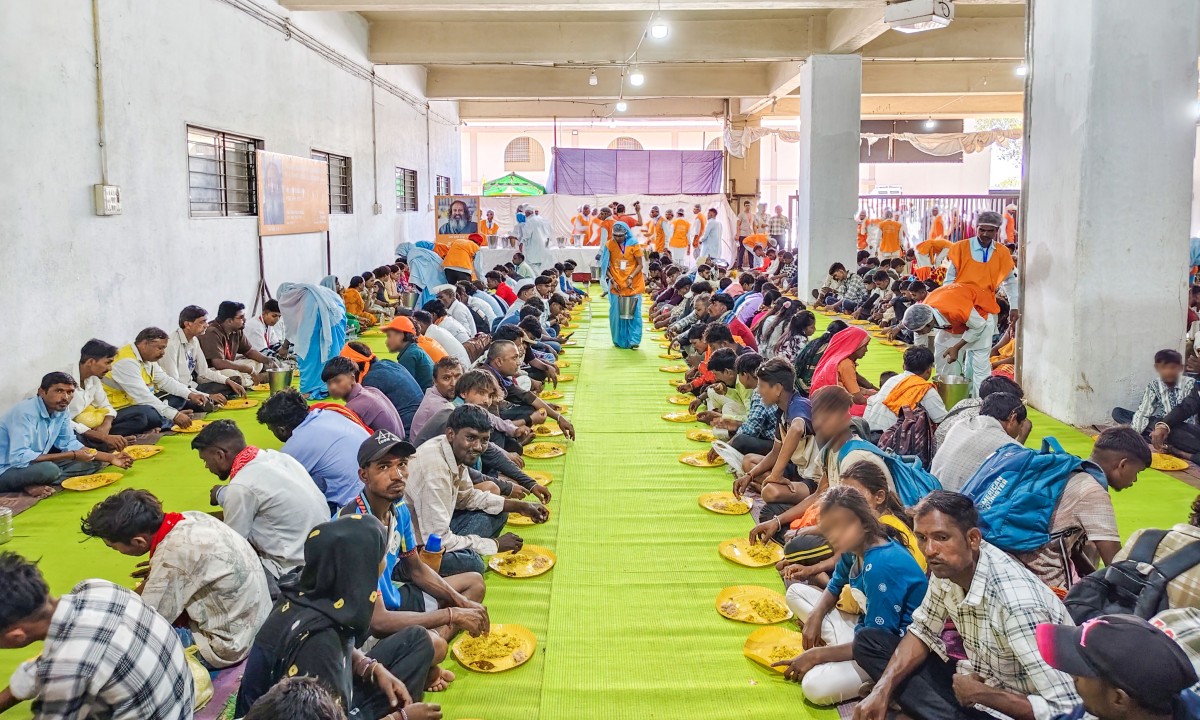
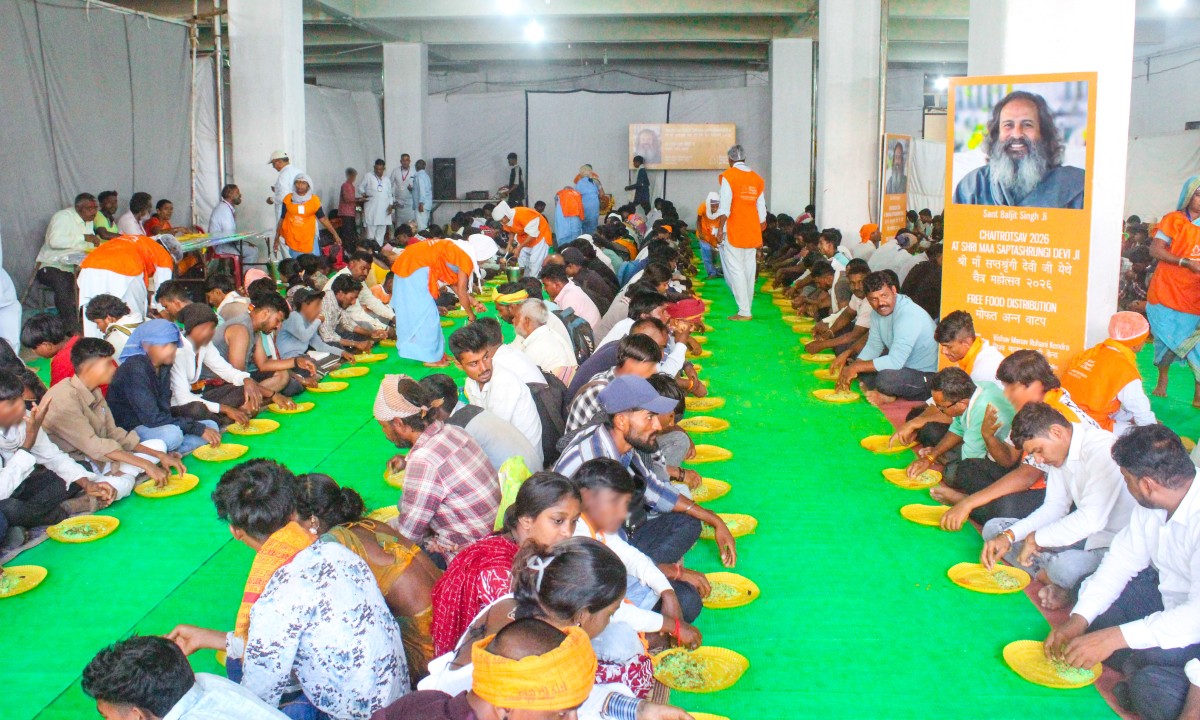
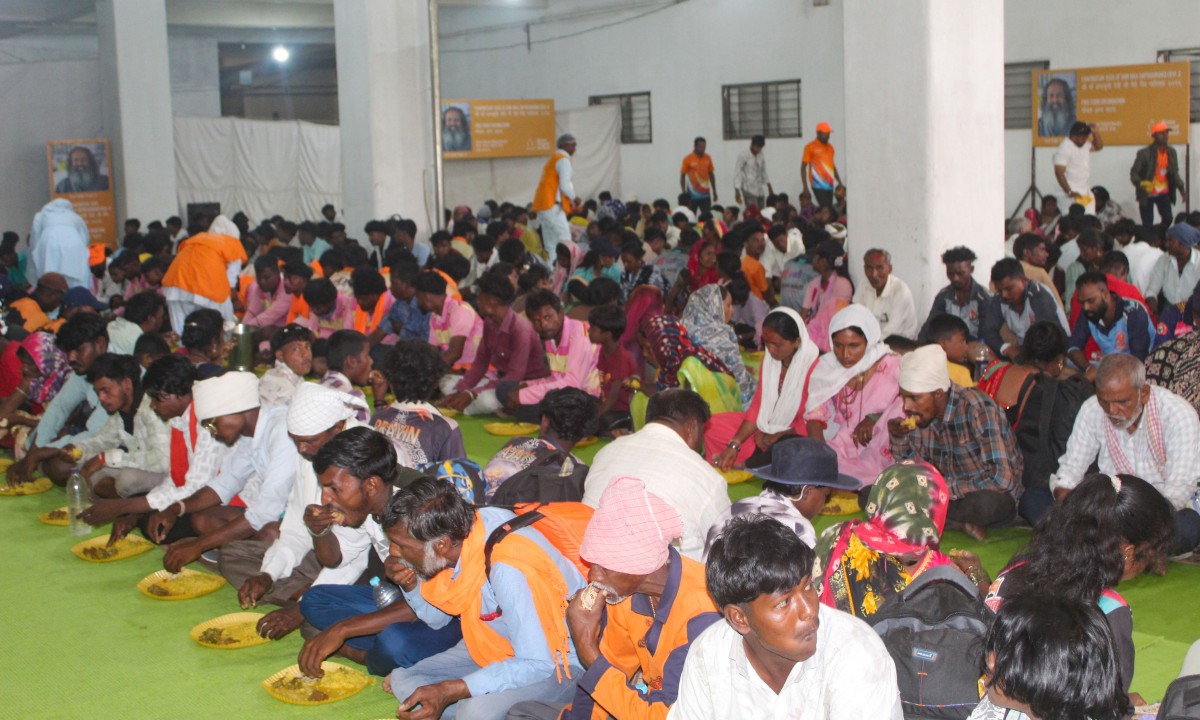
VMRK commenced its food service on the evening of March 28 and continued through the afternoon of April 2. During this period, VMRK served more than 38,000 meals, with the count peaking at over 11,100 on the busiest day.
Each day, a team of volunteers in the kitchen lovingly prepared wholesome vegetarian meals comprising chapatis, seasonal vegetables, rice, pulses, and a sweet dish. As volunteers chopped vegetables, rolled dough, and cooked meals, they sang devotional songs, adding to the devotional atmosphere. Each freshly prepared batch was then transported to the food service area by another group of volunteers.
Meanwhile, as a long queue of pilgrims lined up to avail themselves of the services, security volunteers managed the crowd. They guided the pilgrims into the food service area in groups of approximately 280—the maximum seating capacity at one time. Once seated, volunteers continuously moved through the rows to serve the meals.
Twice each day, in the morning and evening, volunteers paused the food service briefly to sing Aarti in praise of the Goddess. As one batch of pilgrims left, the next batch arrived and joined in, singing together with the volunteers before the Goddess’s portrait displayed in the food service area. The atmosphere was filled with devotion and joy.
Medical services
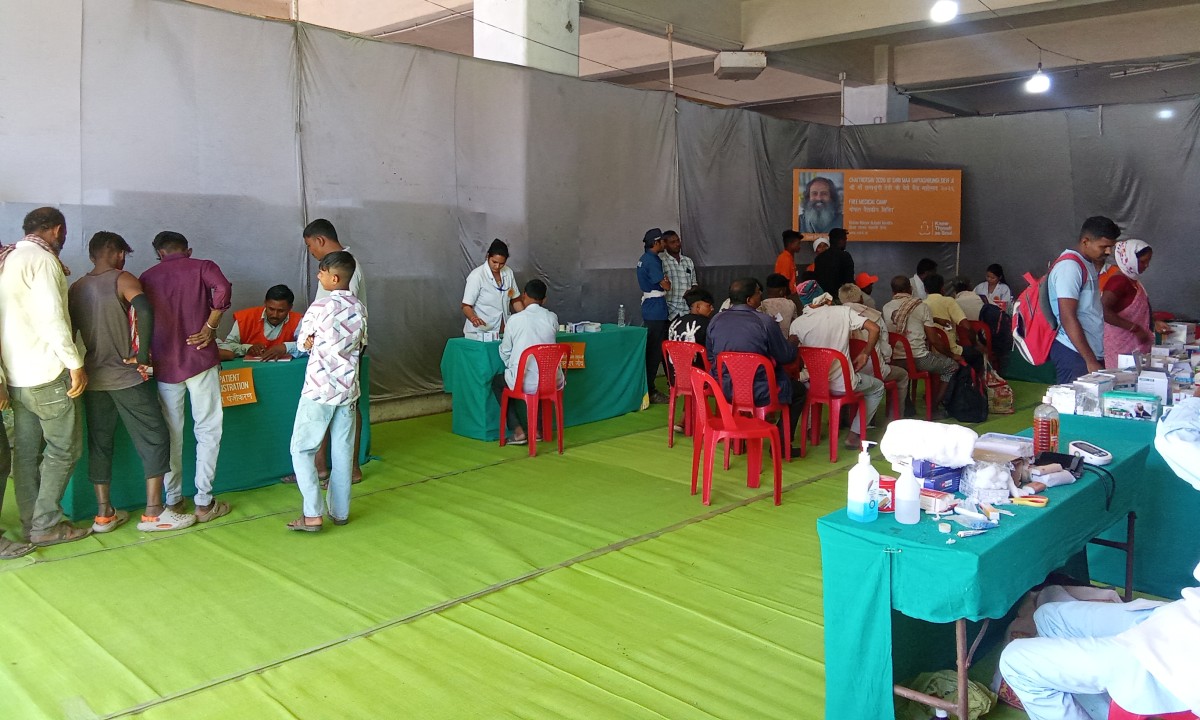
The medical camp became operational by the morning of March 29, staffed by a team of 11 medical professionals, with an ambulance stationed on standby.
Pilgrims visiting the camp first underwent a registration process and then waited for their turn in the designated seating area. VMRK volunteers guided them to the next available doctor, and this worked well to streamline patient consultation.
A large number of patients who arrived had undertaken the journey on foot—many of them barefoot—in the heat of the Indian summer. Common complaints included body pain, fever, foot pain, and dizziness. Even those arriving in vehicles experienced similar difficulties as they had to walk three to four kilometers from vehicle-restricted zones before ascending 510 steps to reach the temple. Darshan waiting times ranging from two to eight hours further added to their exhaustion.
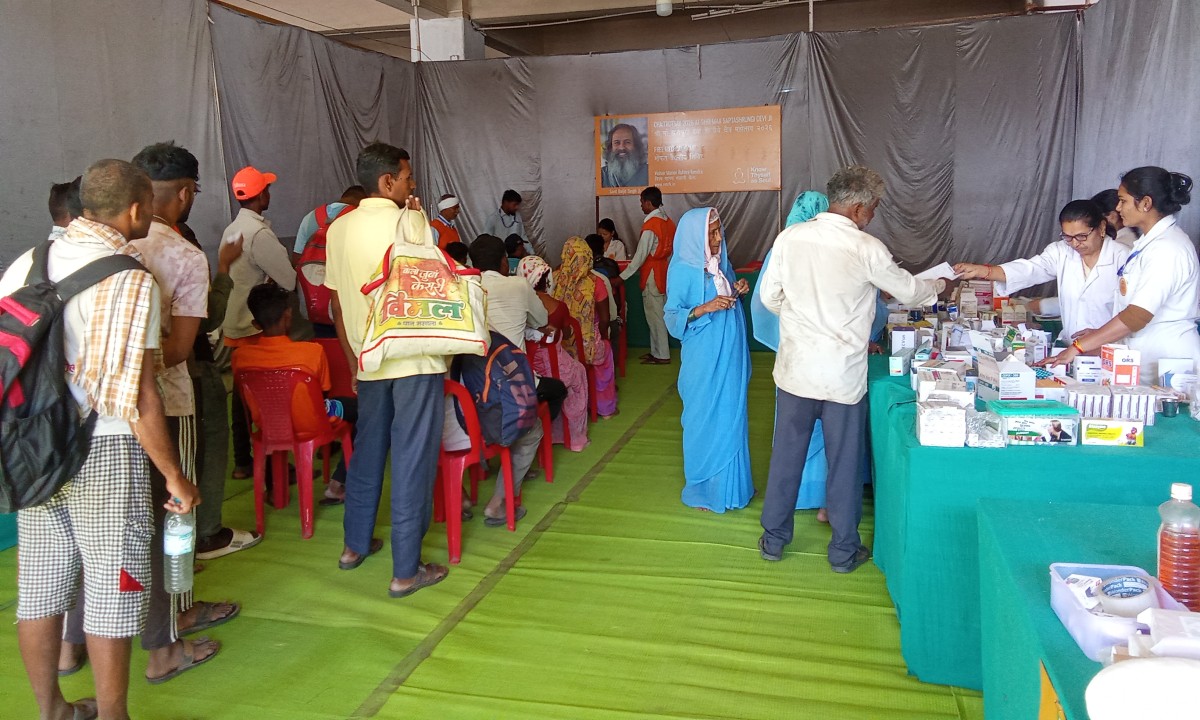
After consultation, patients were guided to the pharmacy counter where they received free medicines prescribed by the doctors. A large number of them received rehydrating drinks and first aid for their wounds and blisters. To help relieve their tired and aching feet, volunteers also offered a foot massage service.
On April 2, as pilgrim footfall at the camp fell sharply, VMRK concluded its medical services. Over the duration of the camp, more than 5,690 pilgrims received free medical care.
Visitor feedback
Many people left comments in our visitor log, some are listed below:
Jai Mata Di! The food service was provided by VMRK. The service embodied the spirit of faith, love, and humanity. Even though I completed a pilgrimage of 300 kilometers on foot, the blessings I received do not belong to me alone; VMRK and its volunteers also share in them. In today’s time, fewer people engage in worship and charity, yet Shree Saptashrungi Nivasini Devi still works through people in one form or another to organize charitable activity. Even when a person does not speak, their inner soul offers blessings to VMRK.
We devotees had walked all the way and reached the VMRK camp. On such an occasion, the service you rendered to us felt as though Goddess Annapurna (the Goddess of nourishment and food) herself had become pleased with us. The dishes, and sweets were exceptional. All the volunteers provided excellent cooperation and service free of charge. In fact, it is difficult to believe that such a thing is even possible. However, I would once again say that the work of Sant Baljit Singh Ji’s organization across the whole of India is truly remarkable—remarkable, remarkable, remarkable. Har Har Mahadev! Jai Mata Di!
Charitable organization VMRK, inspired by its spiritual head, Sant Baljit Singh Ji, arranged the camp near Shree Saptashrungi Nivasini Devi Temple. Many patients received assistance from volunteers while suffering from pain. Volunteers provided great facilities and volunteers took good care of their health.