
Shri Vitthal Rukmini Devi Temple: Ashadhi Ekadashi Wari 2026
Every year, the Shri Vitthal Rukmini Devi Temple in Pandharpur, Maharashtra, comes alive with devotion during the Ashadhi Ekadashi festival. This year was no different. Around the auspicious day of Ashadhi Ekadashi, observed on July 25, 2026, more than 3 million devotees visited the temple. All of them came to have darshan of God Vitthal, a form of God Krishna.
Most of these devotees were warkaris—pilgrims whose name comes from wari, meaning pilgrimage and kari, meaning one who undertakes it. Many start their journey from locations as far as 550 kilometers away and walk the entire distance on foot. Moving in large processions called dindi, they sing and dance, filling the roads to Pandharpur with devotion.
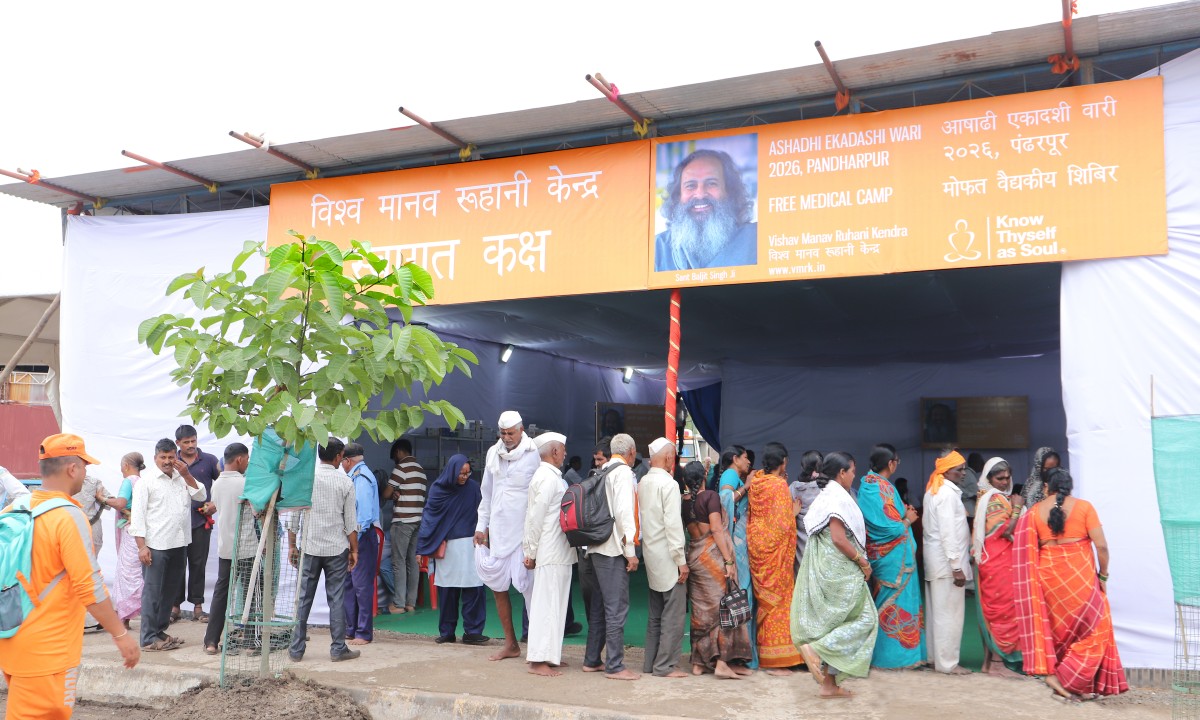
During the Ashadhi Ekadashi Wari, Vishav Manav Ruhani Kendra (VMRK) honored the pilgrims’ dedication with a free medical camp from July 22 to 26. VMRK also provided ambulance services during this period.
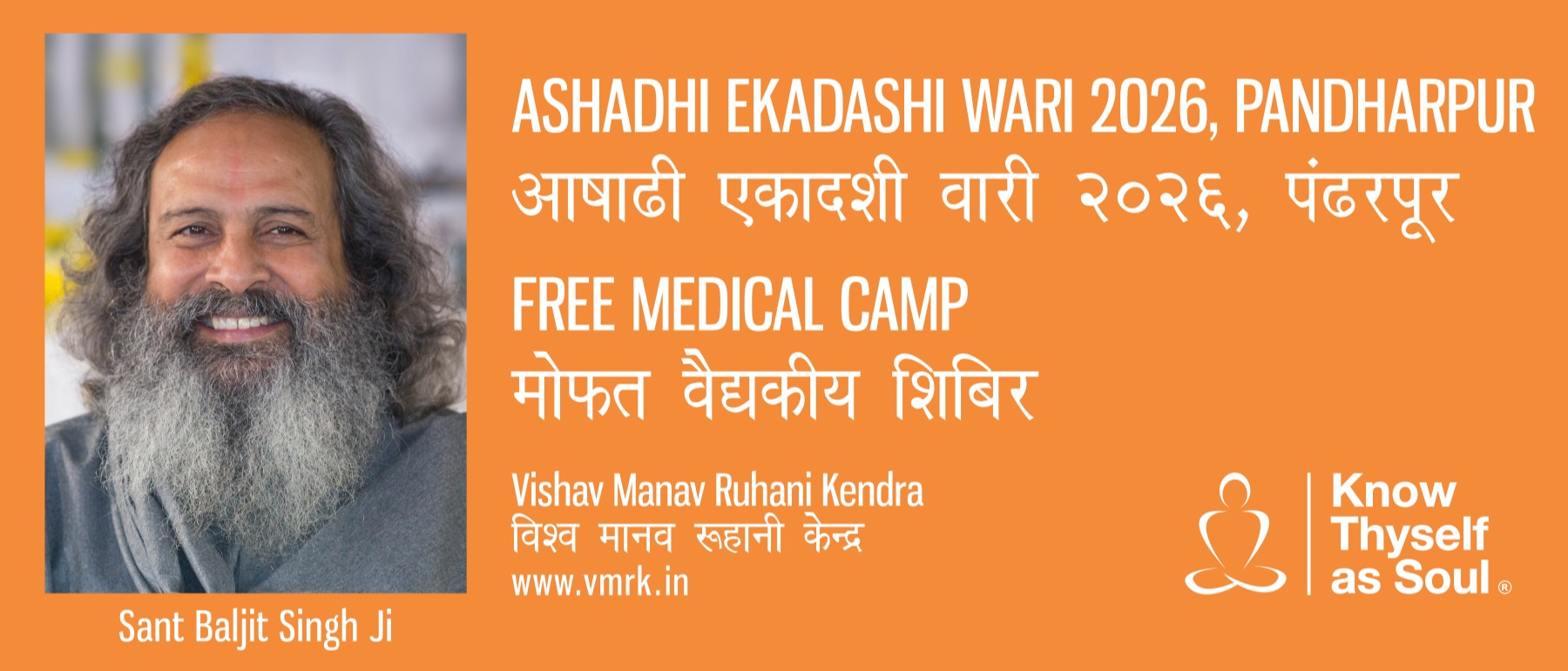
July 22–26, 2026
FREE MEDICAL CAMP 24 HOURS DAILY SERVED BY MEDICAL PROFESSIONALS ASSISTED BY VMRK VOLUNTEERS
PILGRIMS RECEIVED MEDICAL CARE FOR INJURIES AND AILMENTS SUFFERED DURING THE WARI
Site visit and preparations
To serve as many warkaris as possible, VMRK volunteers first visited Pandharpur to identify a suitable location for the medical camp. They prioritized three needs: proximity to the temple, placement along routes heavily used by warkaris, and enough space for medical services. After surveying several options, the team selected a site about 600 meters from the temple. Then, VMRK made arrangements for setting up a metal tent measuring 60 × 40 feet.
Meanwhile, preparations kicked off in full swing at the Lighthouse Center in Pimpalner. VMRK formed multiple volunteer teams, including one responsible for coordinating all activities and keeping every task on schedule. Over consecutive days, teams packed the medicines and medical equipment into 24 boxes, cleaned the ambulance and prepared supplies for food and lodging. By the afternoon of July 19, everything was packed and ready. That night, all materials were loaded onto a pickup truck. Early the next morning, the team began their journey to Pandharpur.
Arrival and setup
VMRK volunteers drove throughout the day and reached Pandharpur late at night. The next day was spent preparing the campsite. Volunteers leveled the ground, laid carpets, and arranged tables and chairs.
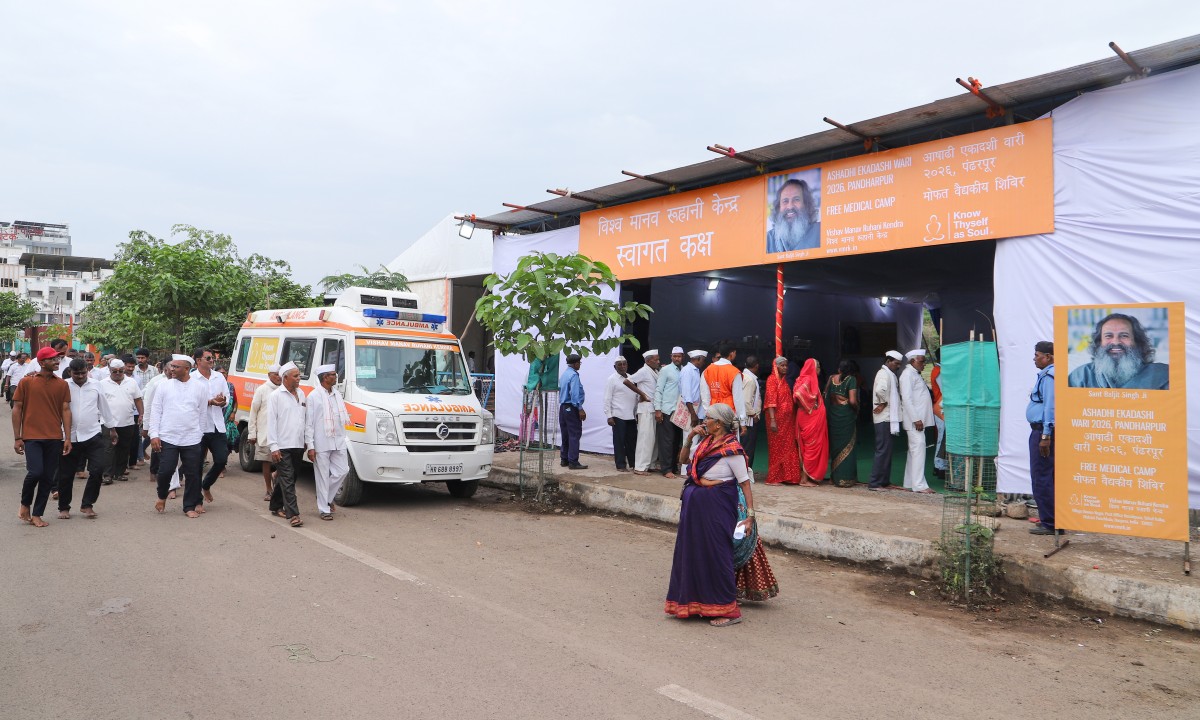
At the same time, another team worked to spread the word about the medical facility. Banners were placed at the camp entrance and in nearby areas. Volunteers installed a sound system and made announcements to the dindis passing along the adjacent road. They also fitted loudspeakers in the ambulance and drove it around the temple area to announce the services available to inform pilgrims.
24-hour medical services
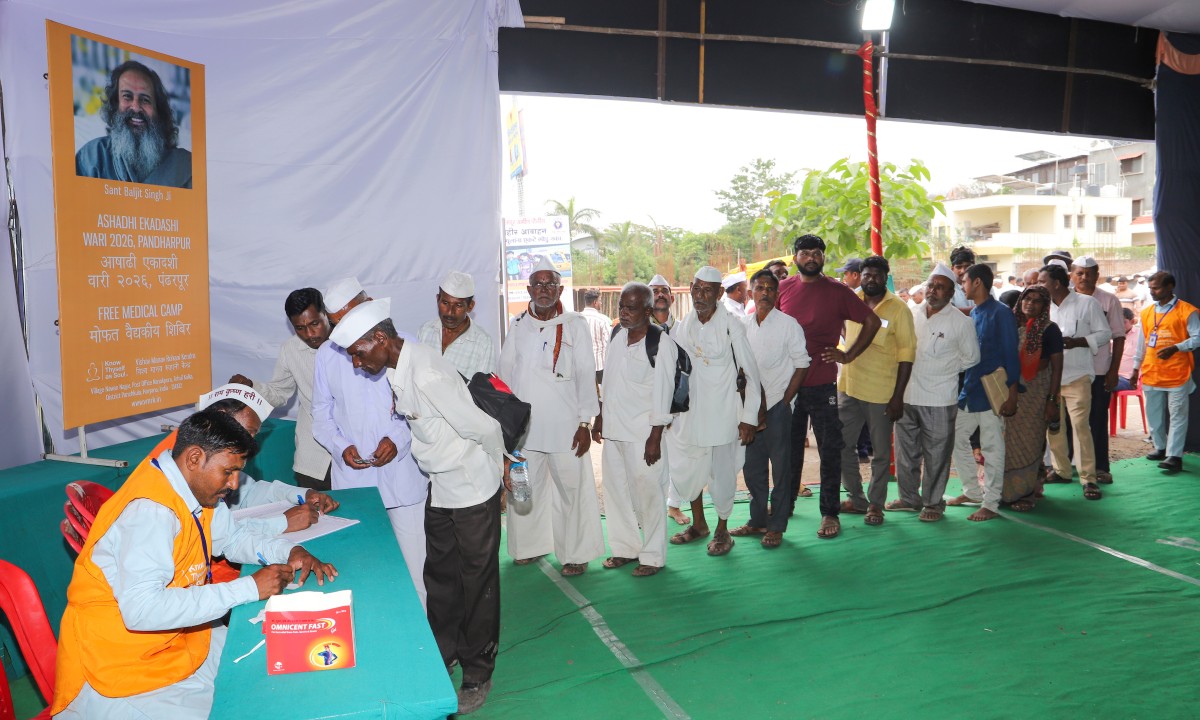
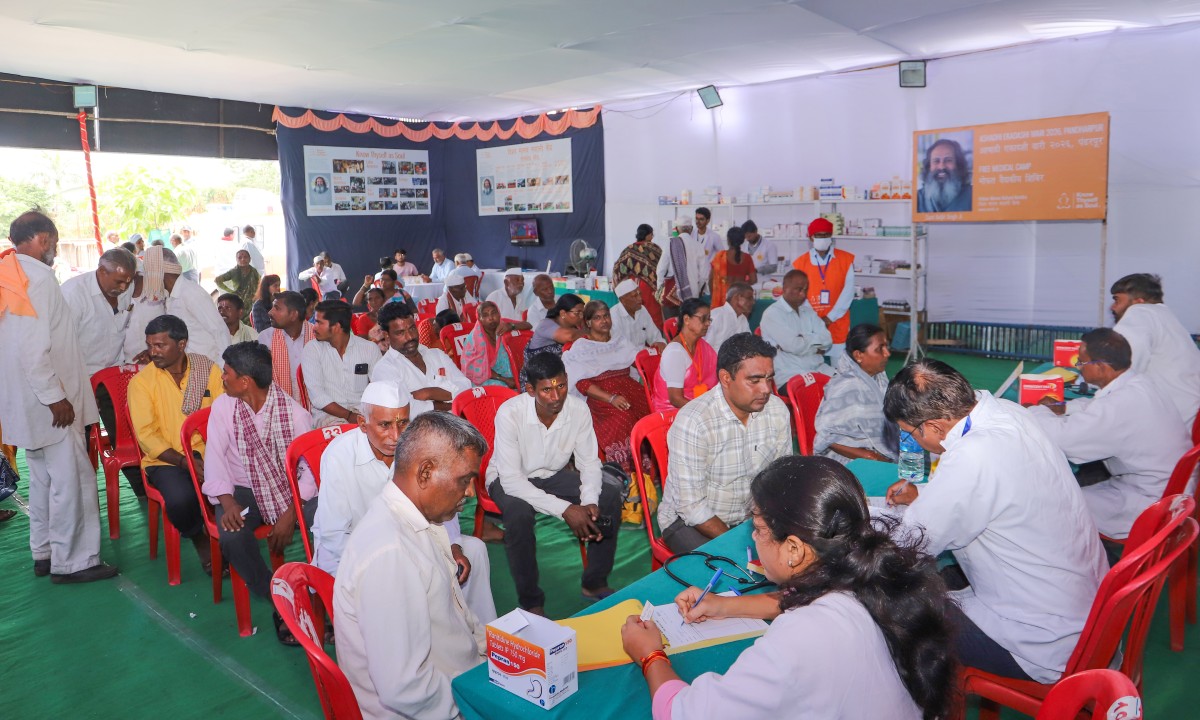
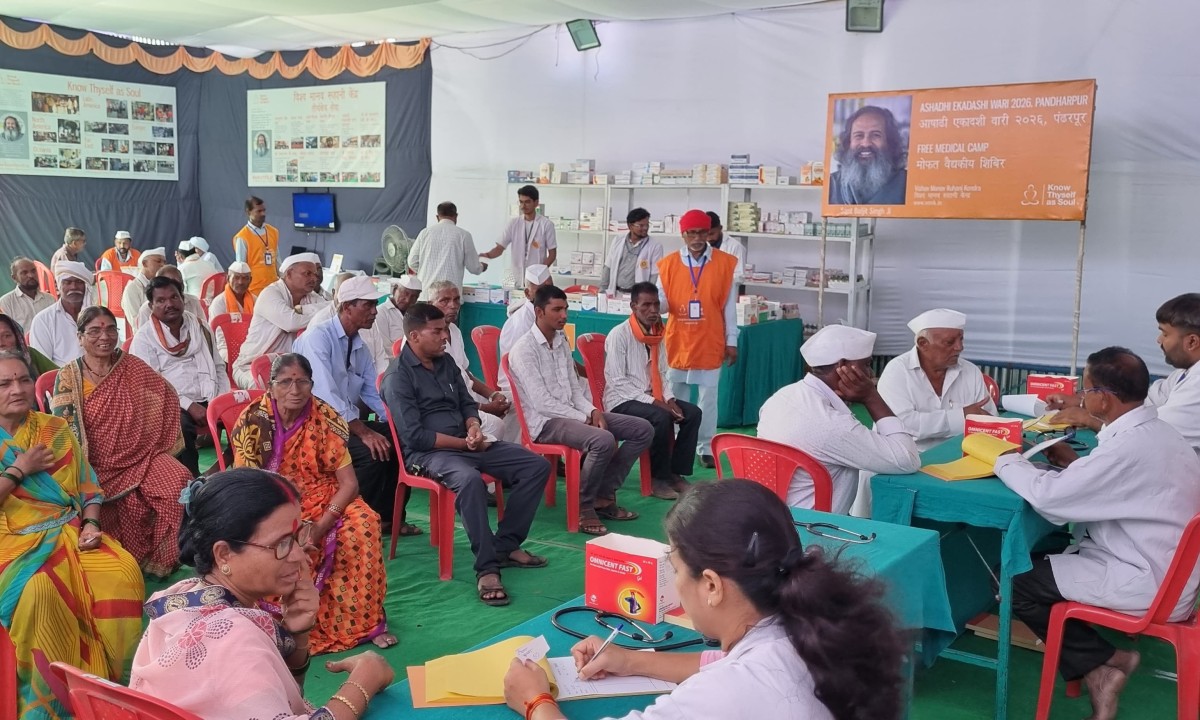
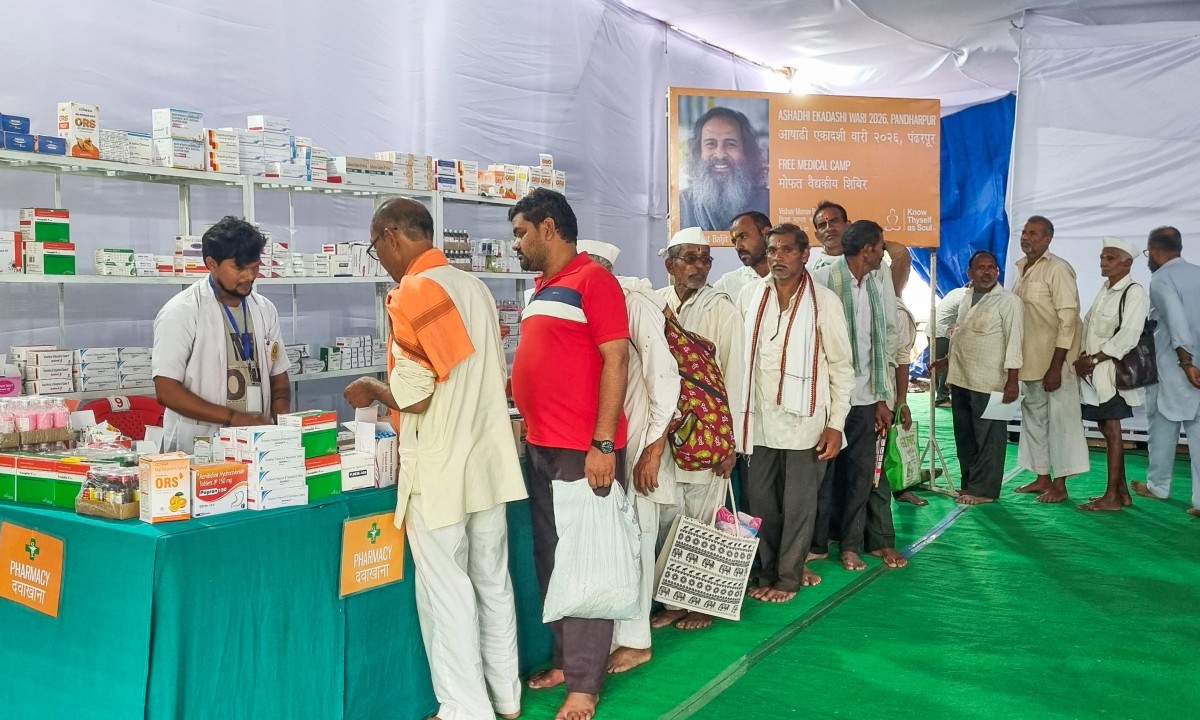
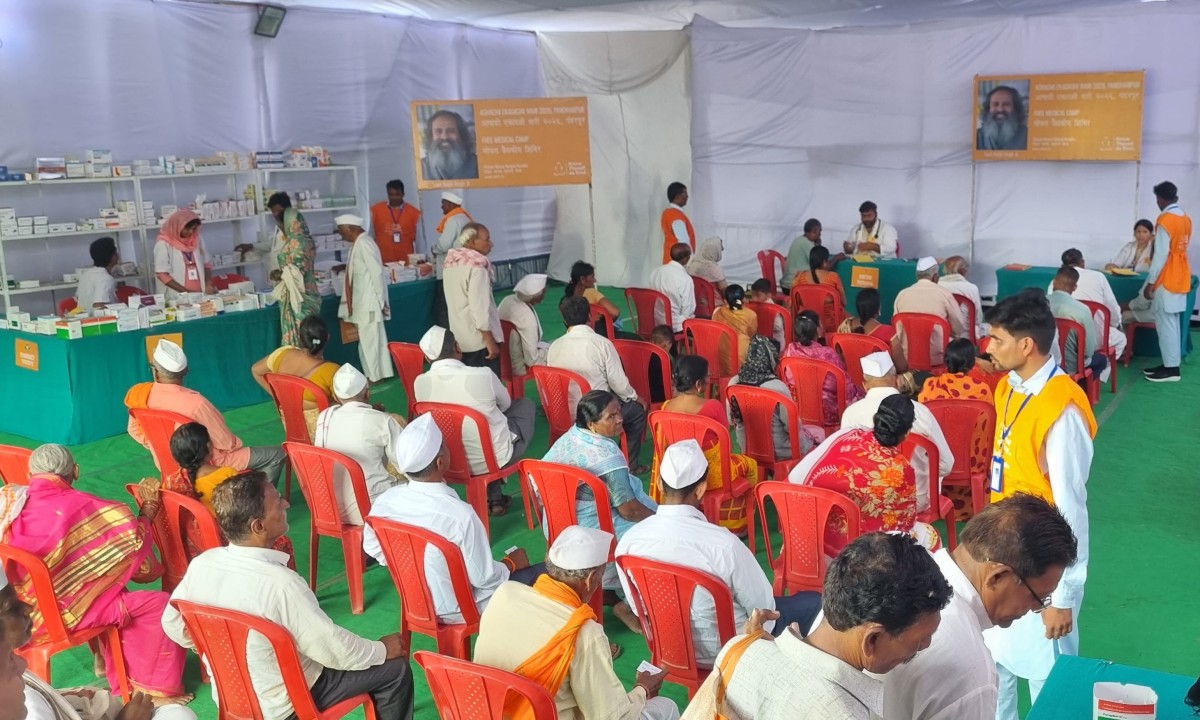
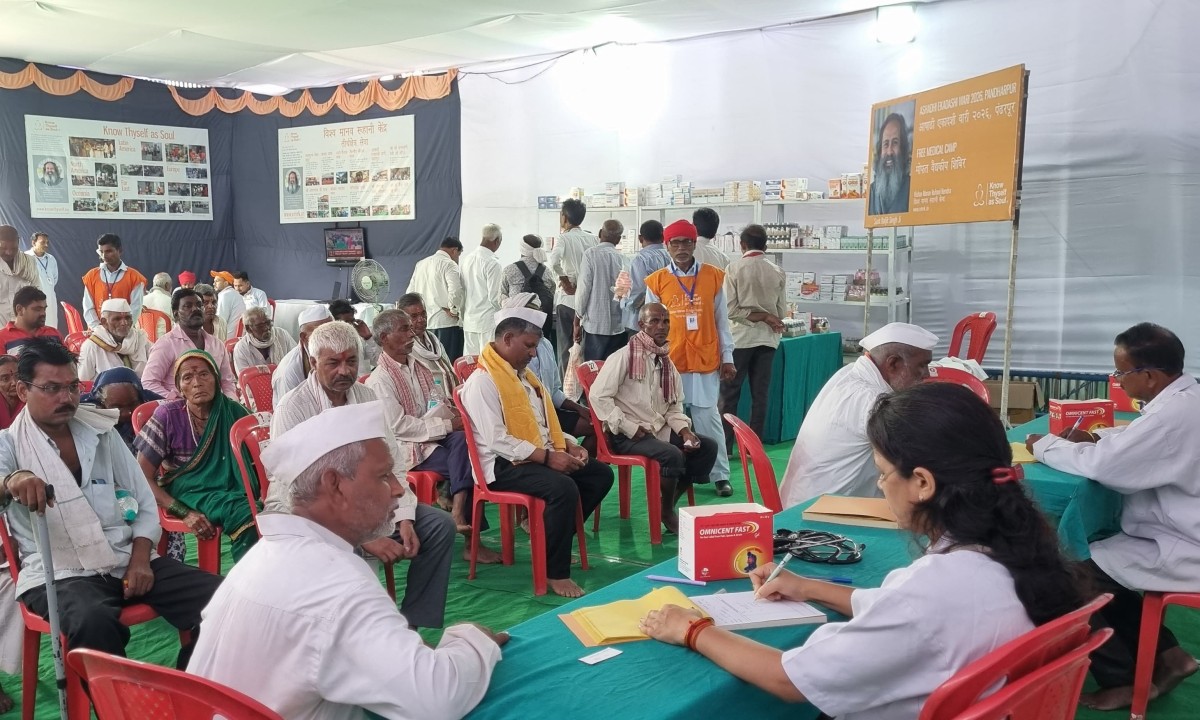
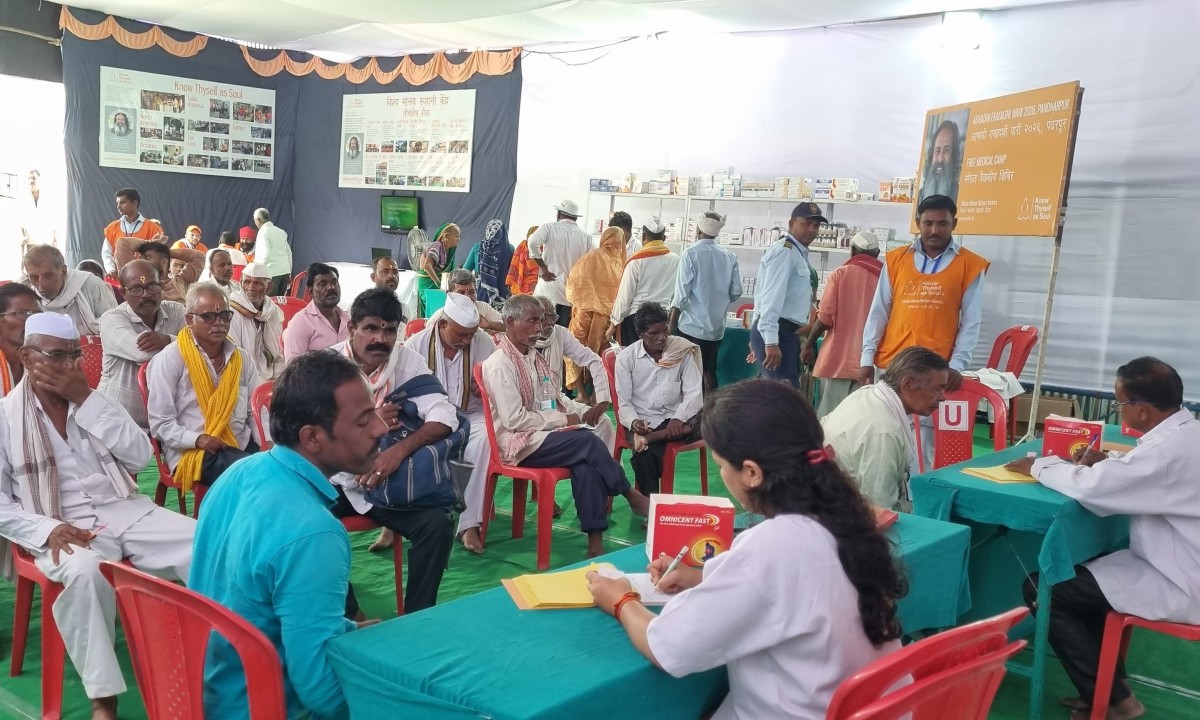
The medical camp became operational on July 22 and offered round‑the‑clock services. From the very first day, large numbers of pilgrims arrived for medical care. Security volunteers helped to direct and guide the queue. Inside the camp, pilgrims registered before consulting with one of the five doctors on duty.
The pilgrims had endured significant strain from their long journey, often barefoot. Consequently, many complained of body pain, muscle cramps, and foot pain. Because it was the monsoon season, warkaris also faced heavy rainfall along the route. The rain often alternated with sudden bursts of sunlight, creating sharp swings between hot and cold weather. These shifts brought colds, coughs, fevers, and other health concerns.
Upon reaching the temple, pilgrims often had to wait more than 20 hours for darshan. This added to their exhaustion. As a result, many also visited the camp during their return journey. Government officials managing the crowds also sought care at the medical camp.
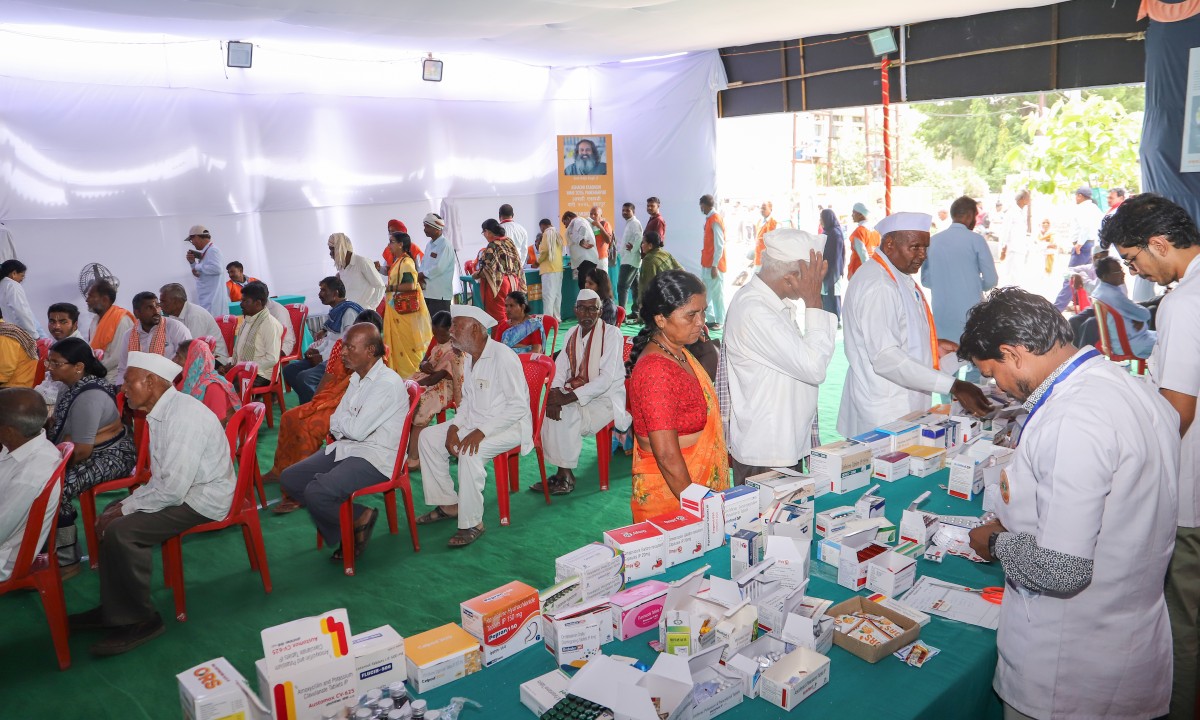
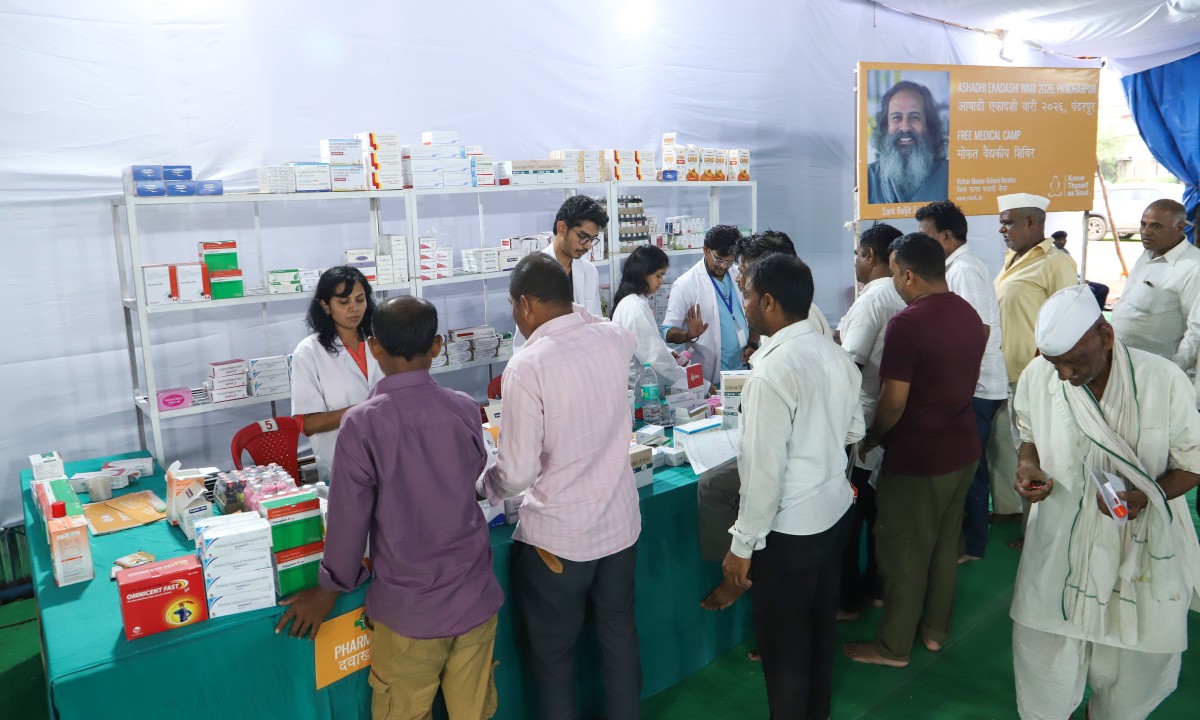
After consultation, patients were guided to different areas of the camp based on the doctors’ prescriptions. Some were directed for vital checks or first aid, assisted by nurses. Others needing additional relief were guided to volunteers offering foot massages. From there, patients moved to the pharmacy counter, where five pharmacists provided the prescribed medicines. For urgent cases, an ambulance stationed beside the camp transported the patients to the nearest hospital.
On July 26, as warkaris began their return journey, the number of patients decreased significantly. VMRK concluded its services that afternoon. Over five days, more than 5,620 devotees received free medical care.
Visitor feedback
Many people left comments in our visitor log, some are listed below: