
2026 Spring (Chaitra) Navratri Festival
Nawan Nagar, March 2026
Navratri, derived from the Sanskrit words “nav” meaning nine and “ratri” meaning nights, is a vibrant nine-day festival dedicated to different forms of the Divine Cosmic Mother. During this period, devotees immerse themselves in prayer, fasting, devotional songs, and visiting temples.
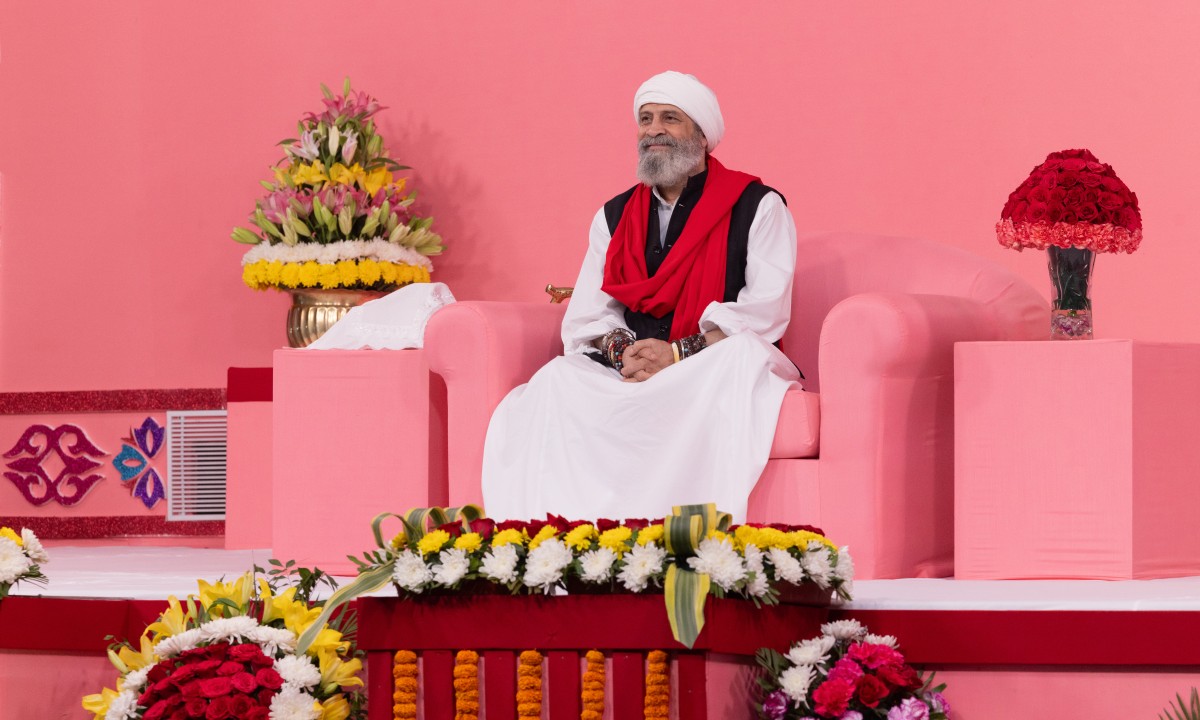
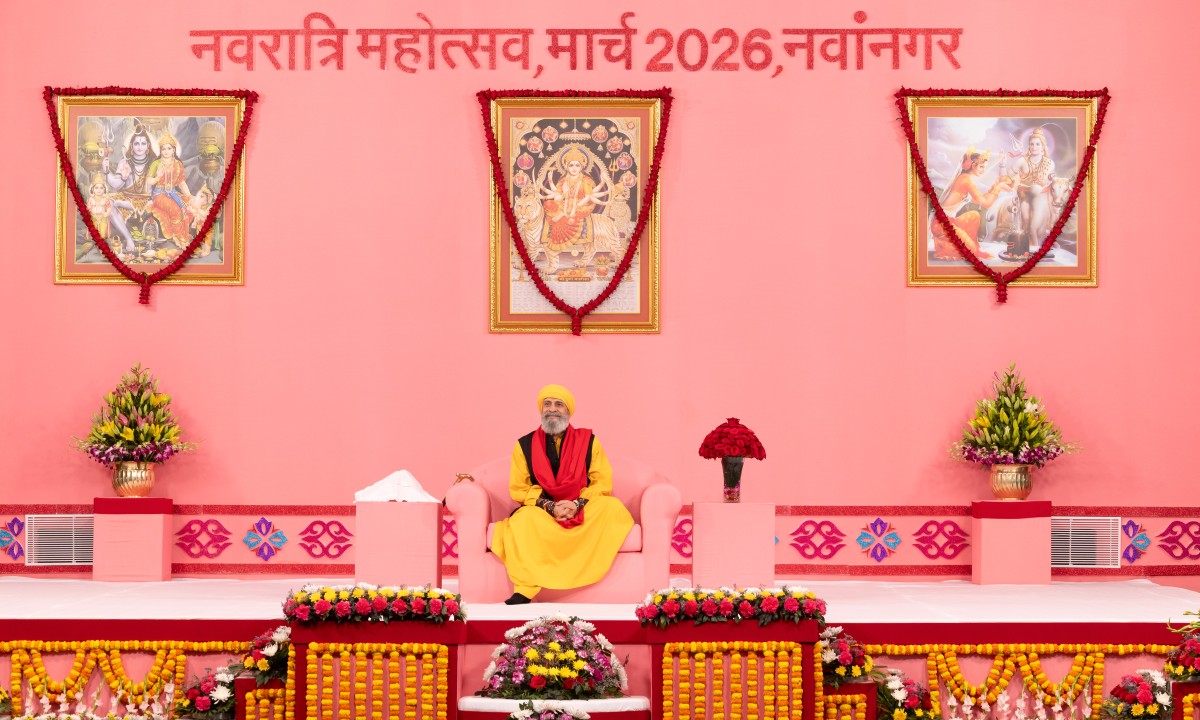
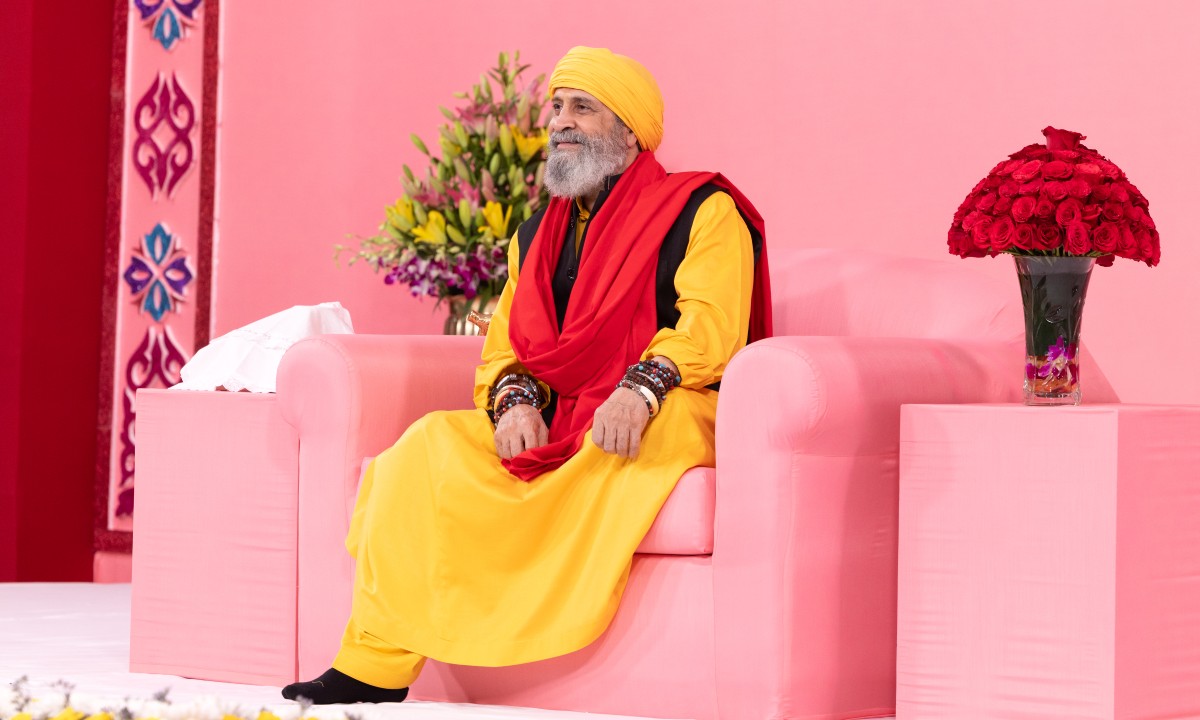
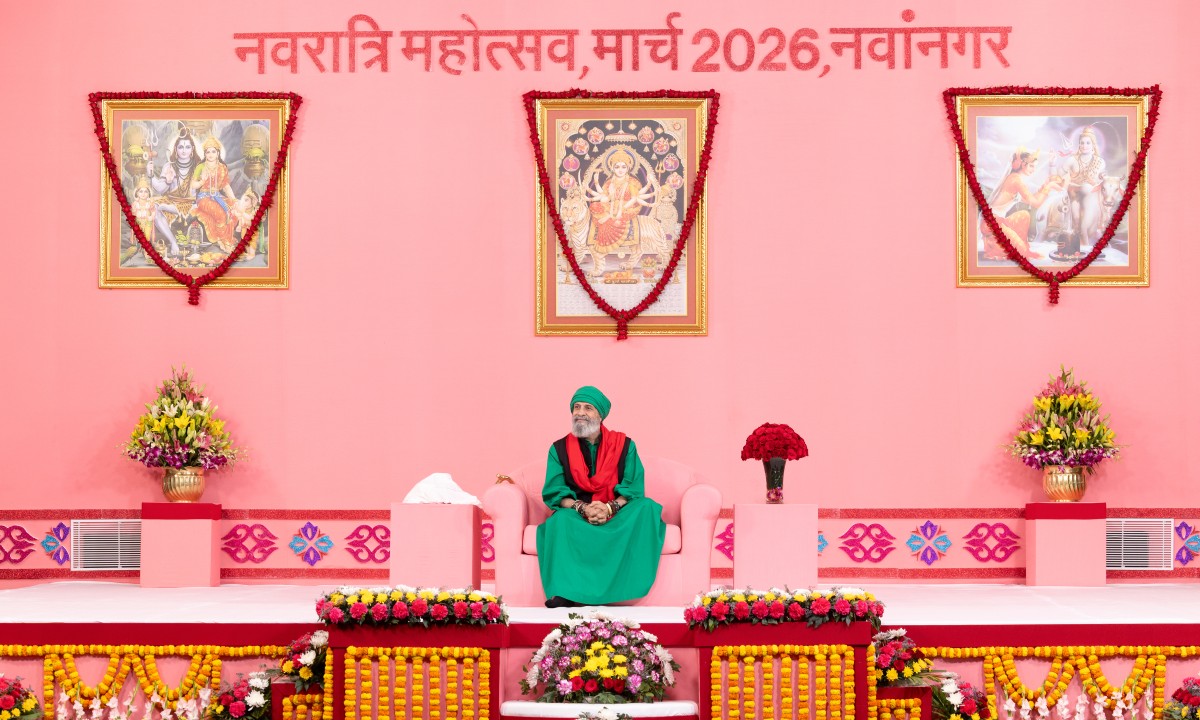
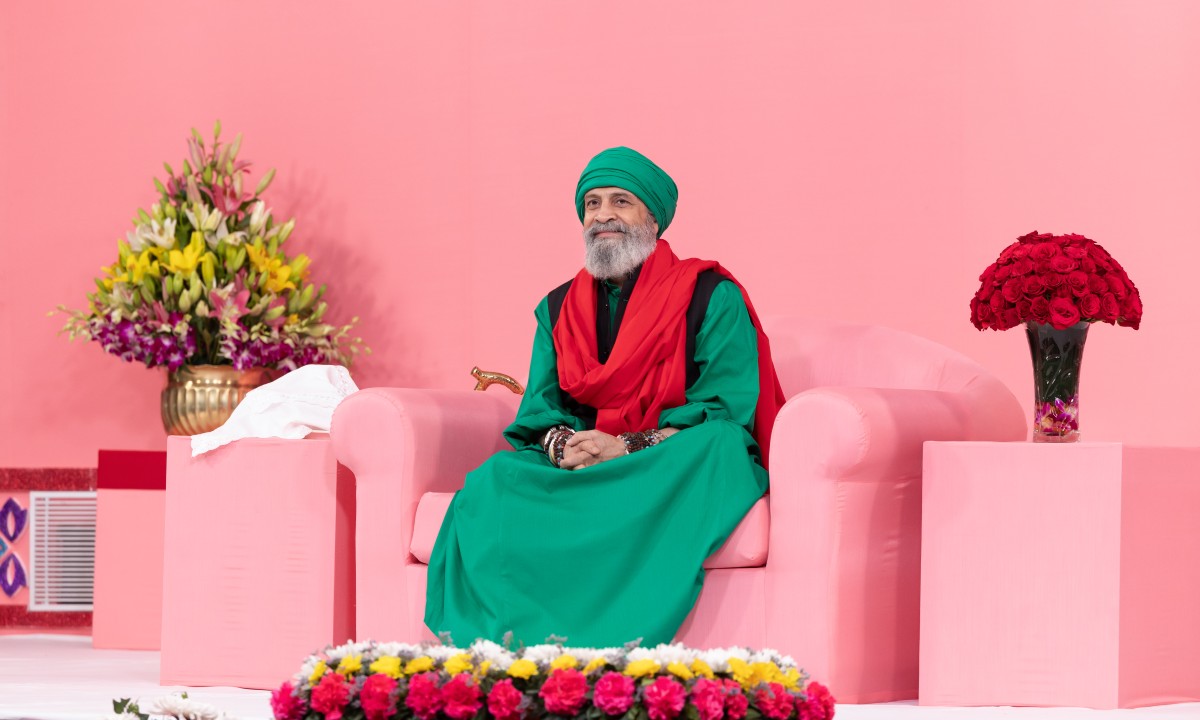
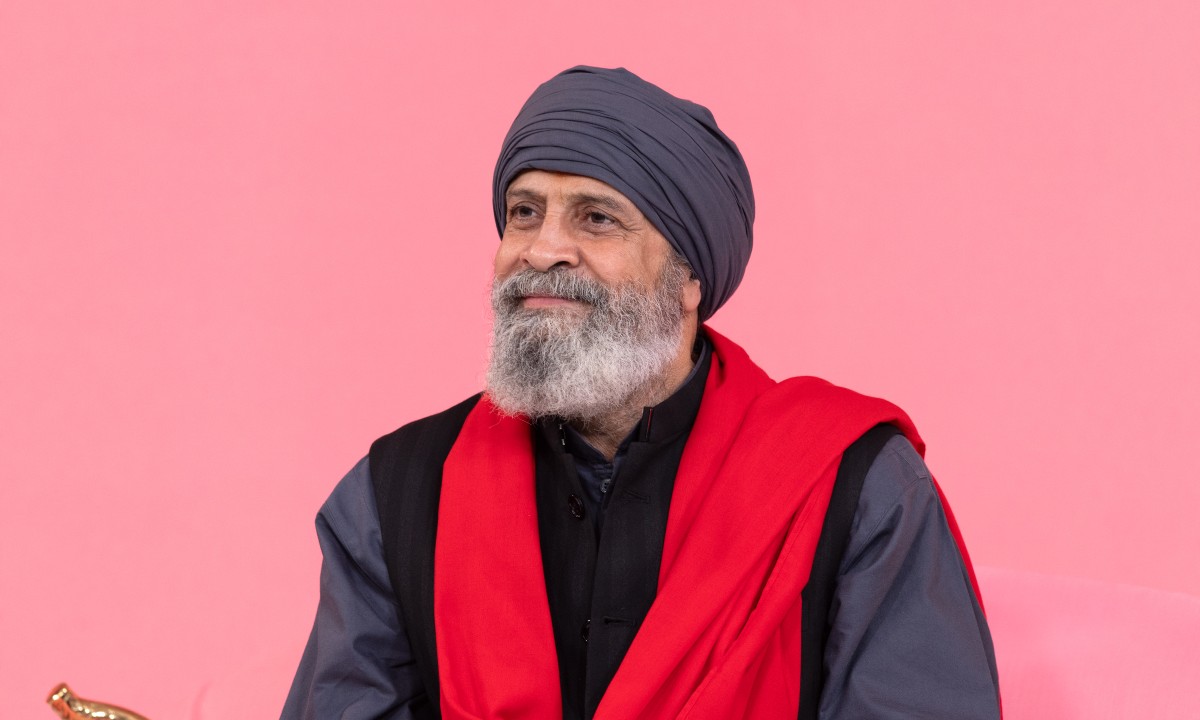
Vishav Manav Ruhani Kendra (VMRK) observes Navratri twice each year at its Lighthouse Center Nawan Nagar. The celebration, filled with deep devotion and enthusiasm, holds a special place in attendees’ hearts. For nine days, they sing praises of the Divine Mother and enjoy darshan of Sant Baljit Singh Ji. In 2026, the Chaitra Navratri festival was observed from March 19 to 27. Devotees from distant Indian states and across the globe traveled to join the celebration.
Planning and preparations
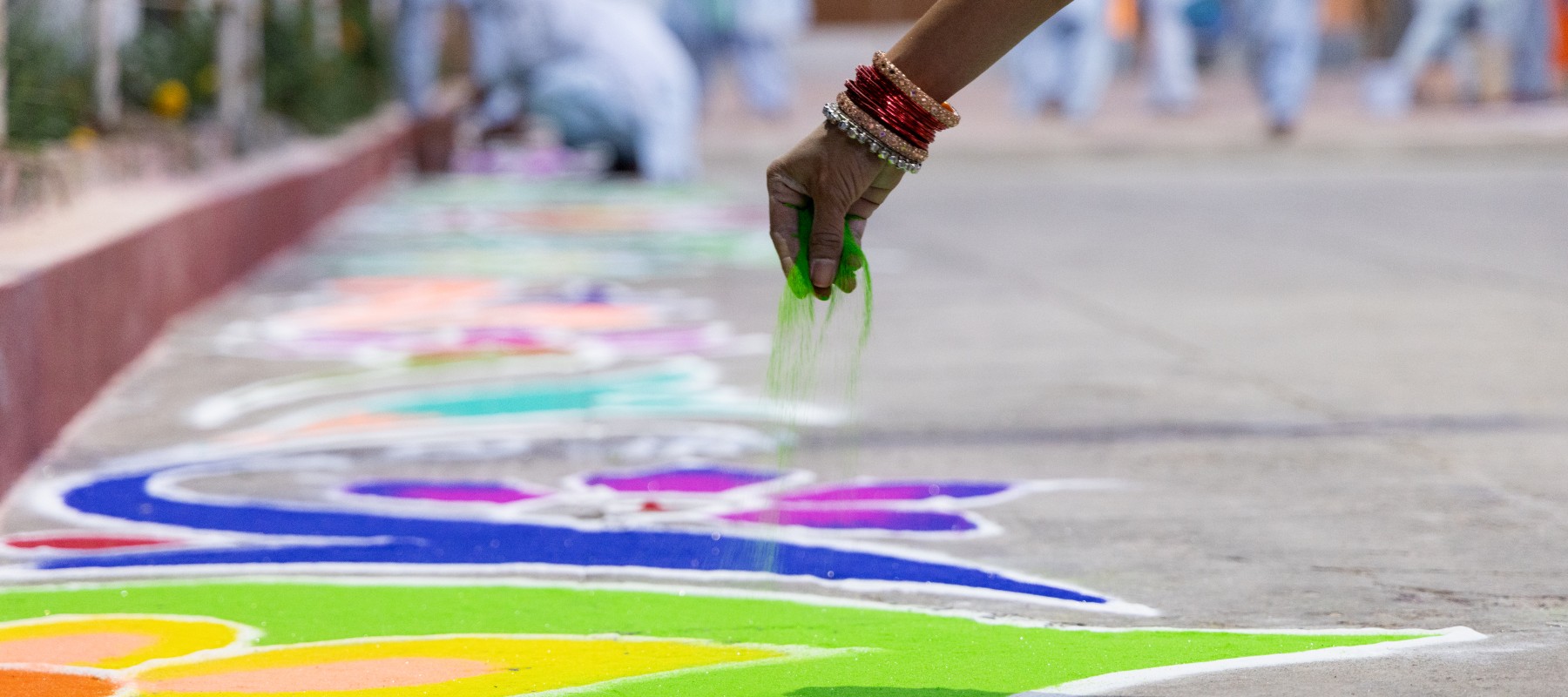
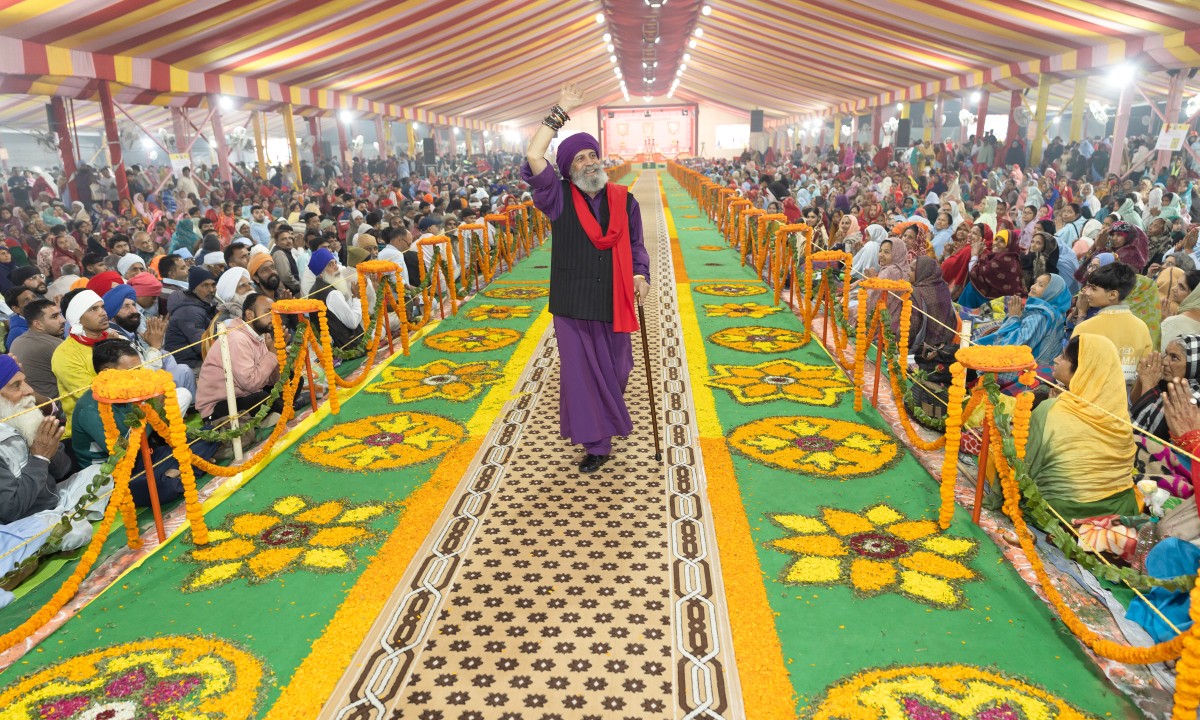
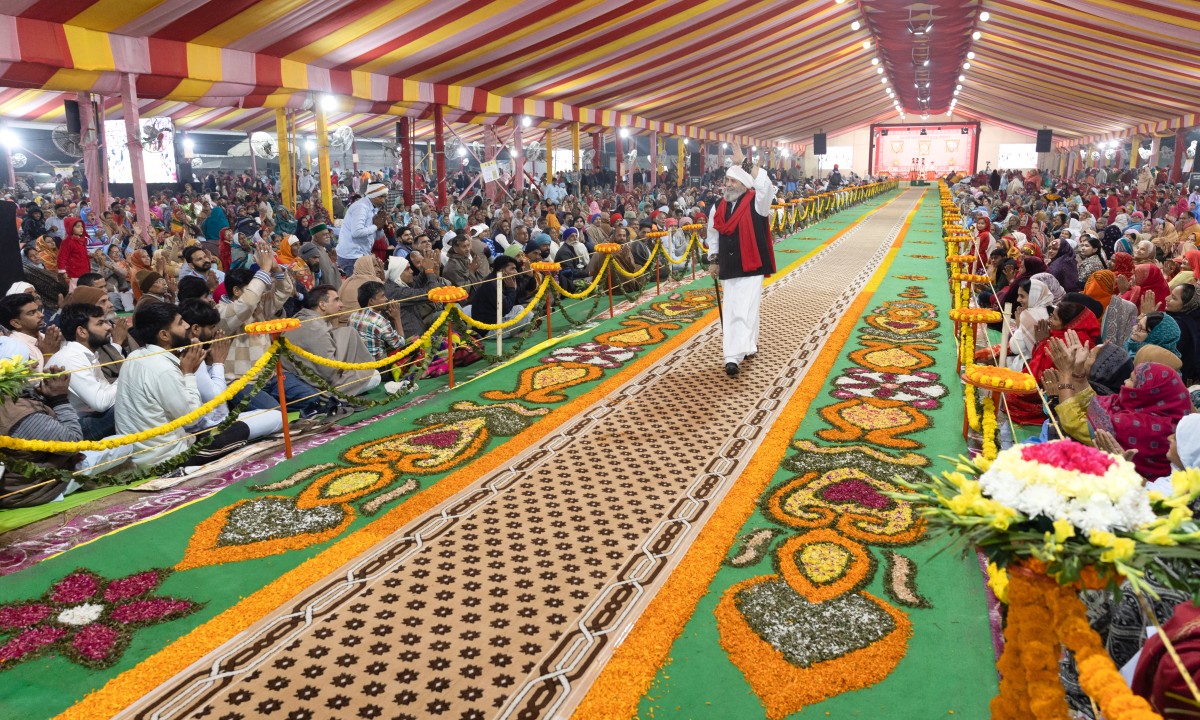
This time, the Navratri was immediately followed by the birth anniversary celebration of our revered Grand Master. VMRK began planning months in advance for these back-to-back large-scale events. Volunteers were organized into multiple teams, each with specific responsibilities. Tasks ranged from decorating Sant Baljit Singh Ji’s pathway with rangoli and flower petals to overseeing tent setup for the main events, food service, and accommodation.
Rain was predicted for some event days. Therefore, VMRK set up waterproof tents and dug trenches around them to drain rainwater. At exposed areas, volunteers spread dry sand to absorb moisture and used a backhoe loader to scoop out waterlogged patches and level the muddy terrain.
For emergency preparedness, VMRK followed administrative guidelines and designated emergency assembly areas near the main event tents in case of evacuation. For fire safety, VMRK deployed a fire engine, a fire water tanker, and set up fire extinguishers at five strategic locations.
Daytime during Navratri
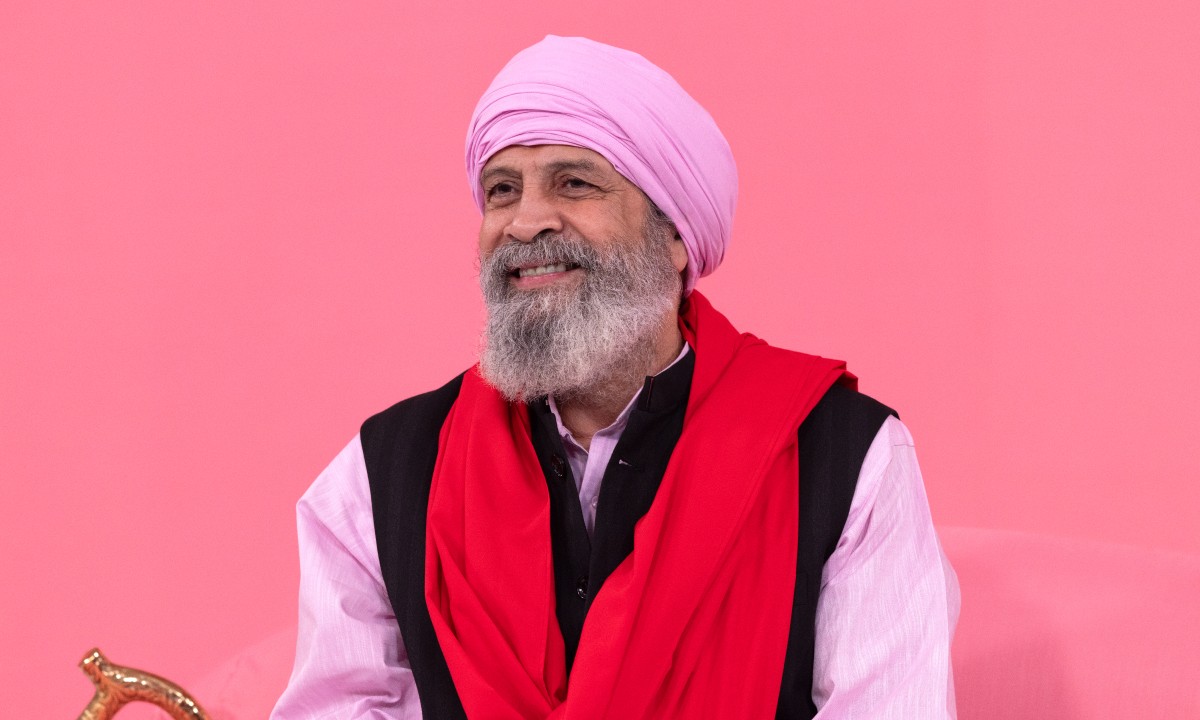
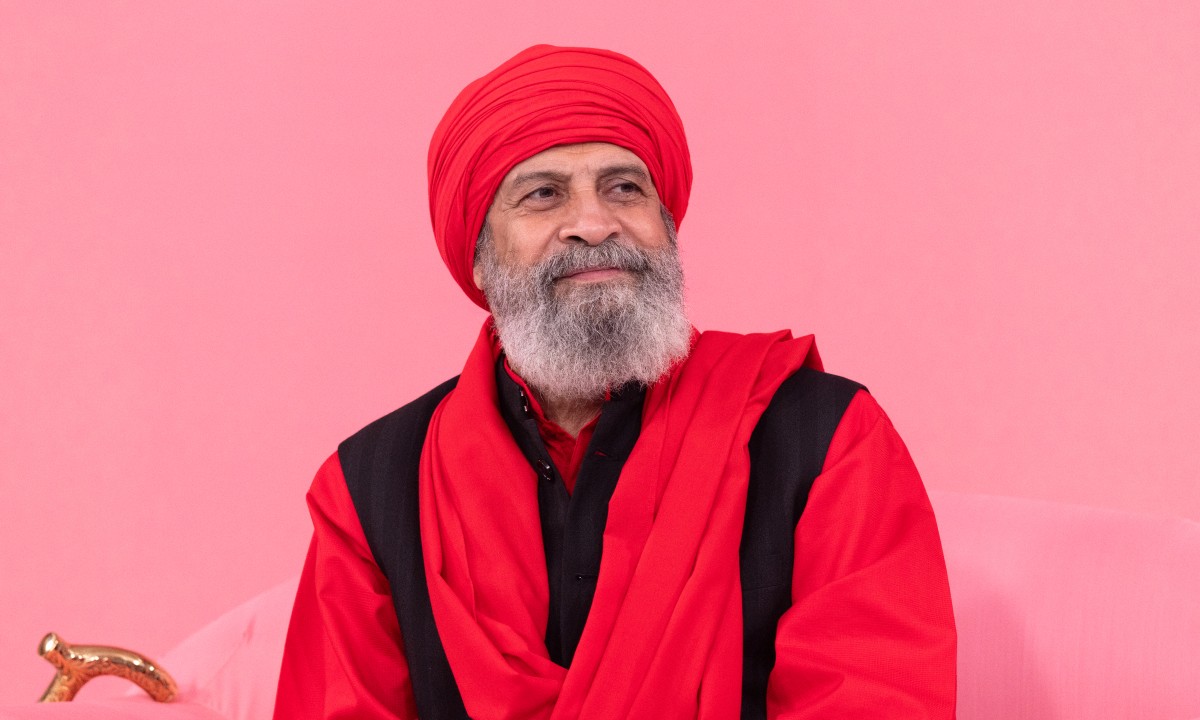
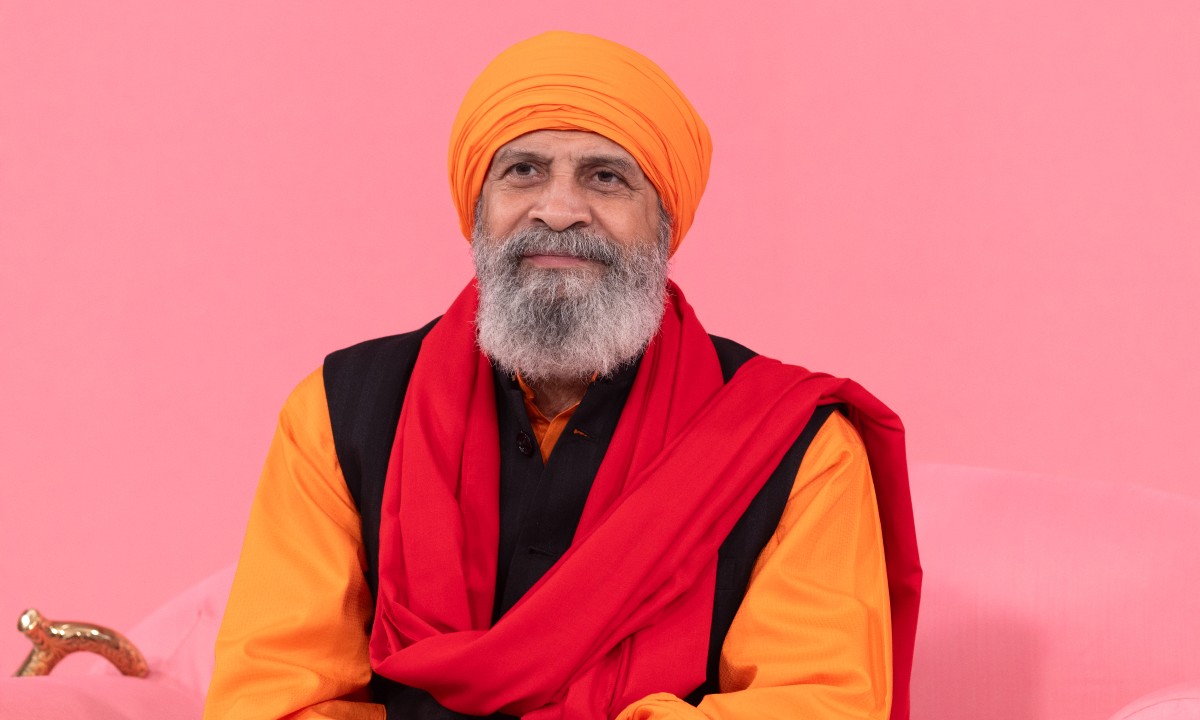
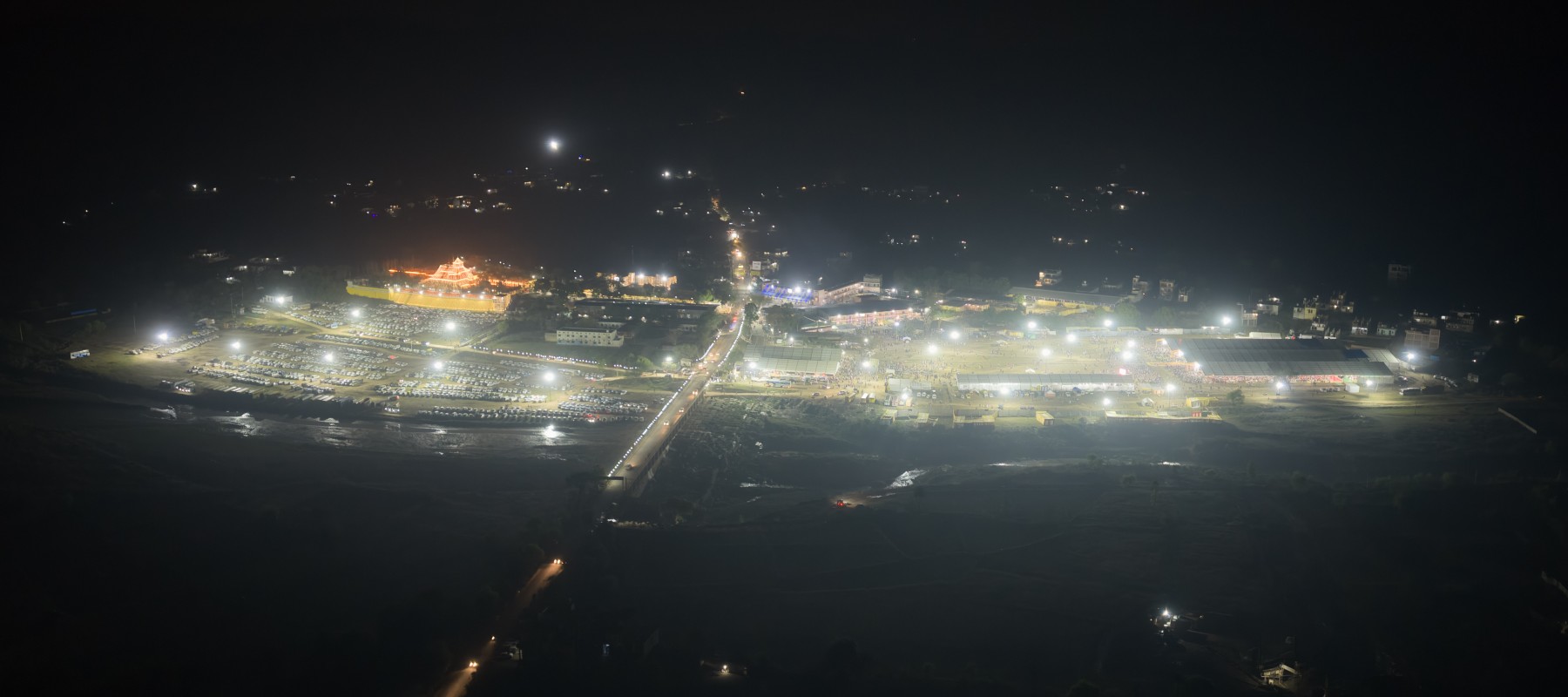
As Navratri began, Lighthouse Center Nawan Nagar was immersed in a festive atmosphere. Devotional songs echoed across the venue from early morning, while attendees greeted one another warmly with “Jai Mata Di,” meaning “Praise to the Mother Goddess.” They filled every corner of the event grounds. The main event tents in particular drew large numbers well before the start of the evening program. Despite seven large LED screens and sound systems set up across the grounds, attendees took their seats early, eager to watch Sant Baljit Singh Ji up close.
Evening Programs
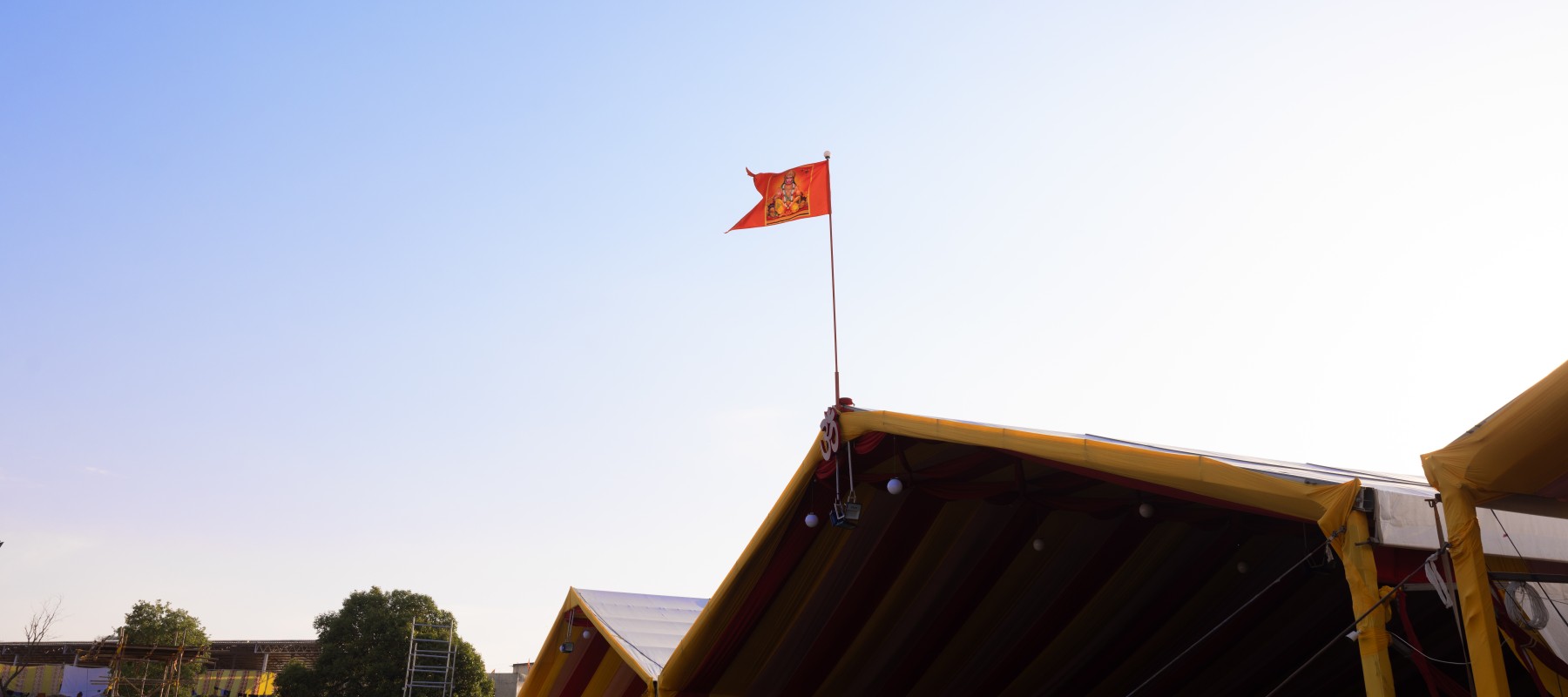
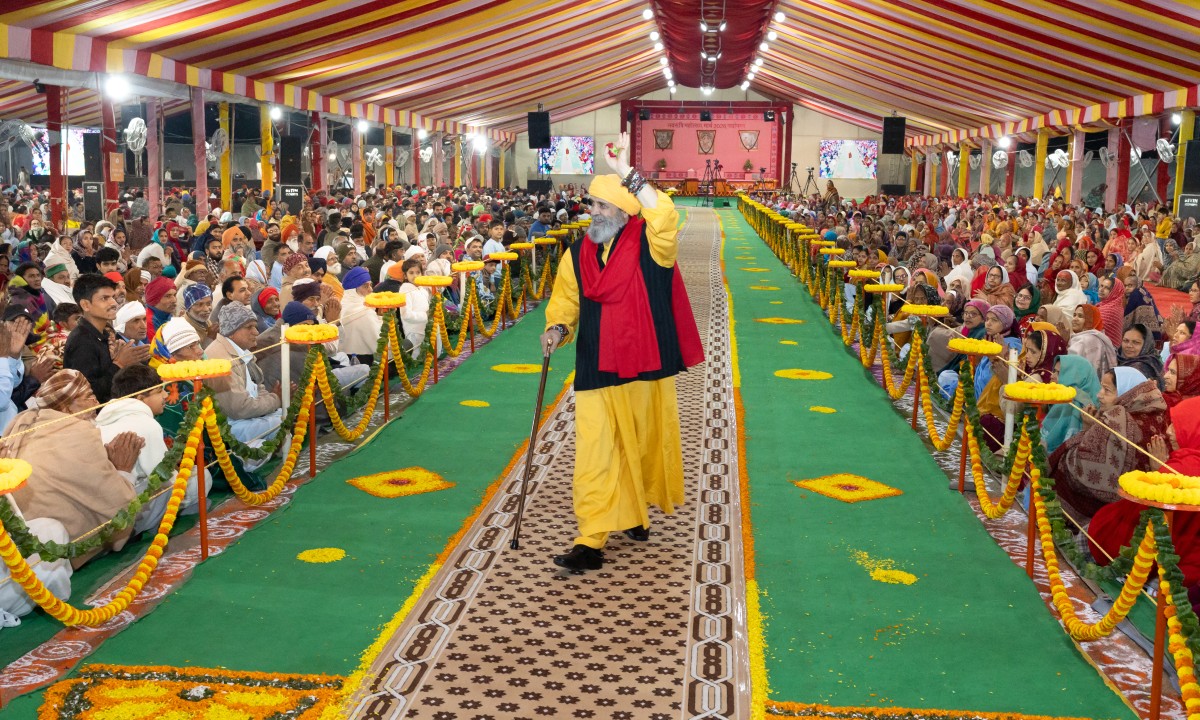
Each evening, large LED signs at the entrance canopies of the main tents displayed “Jai Mata Di,” “ॐ” (the sacred symbol ‘Om’), and “Har Har Mahadev” (a praise to God Shiva). These signs, along with a large flag of God Hanuman fluttering high above the central tent, created a radiant spiritual atmosphere.
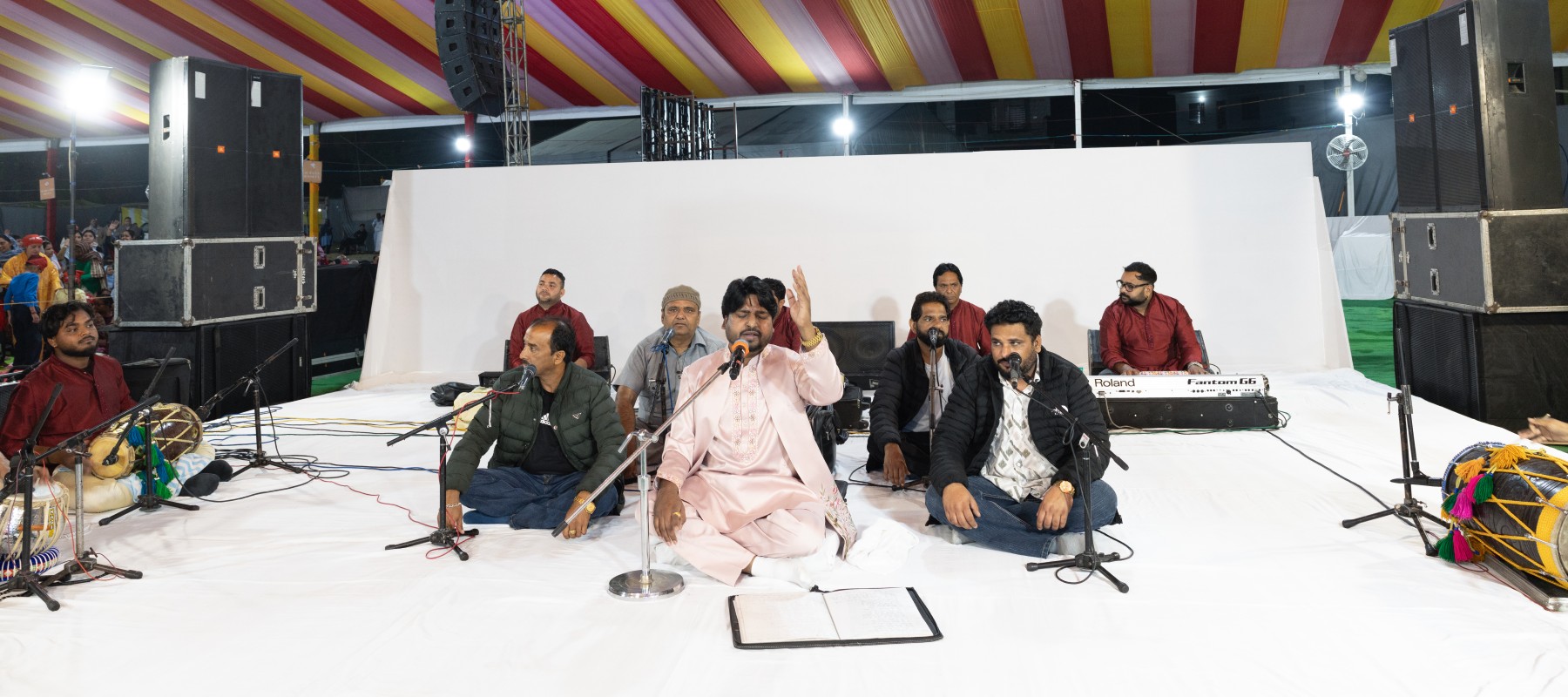
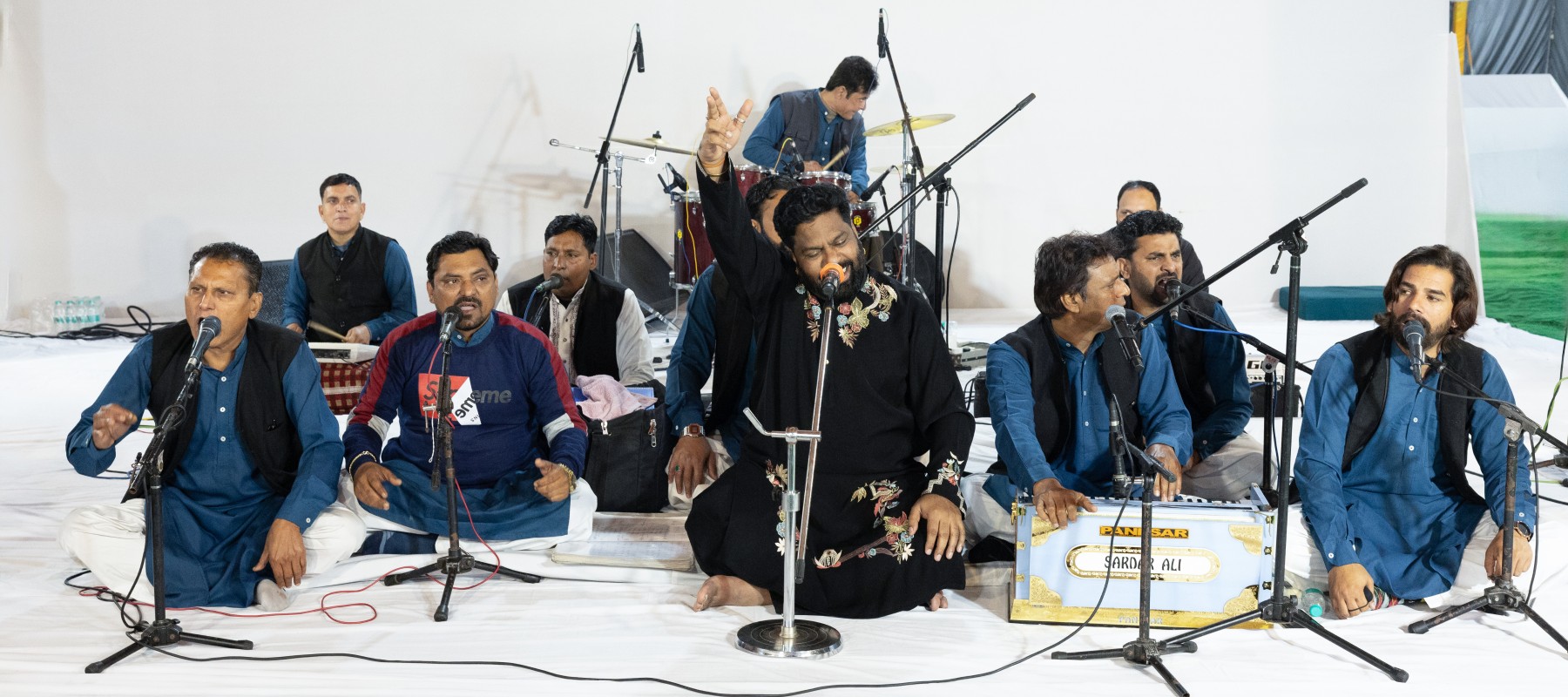
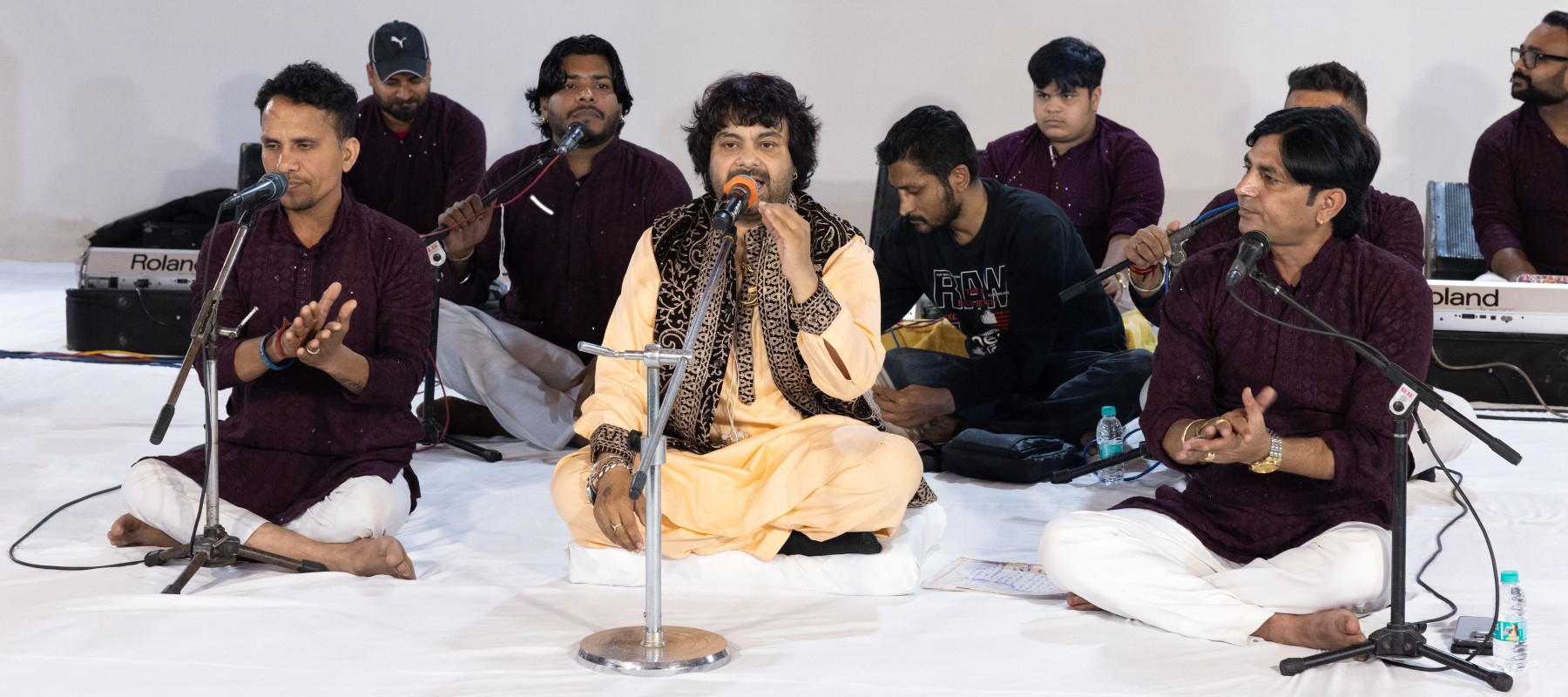
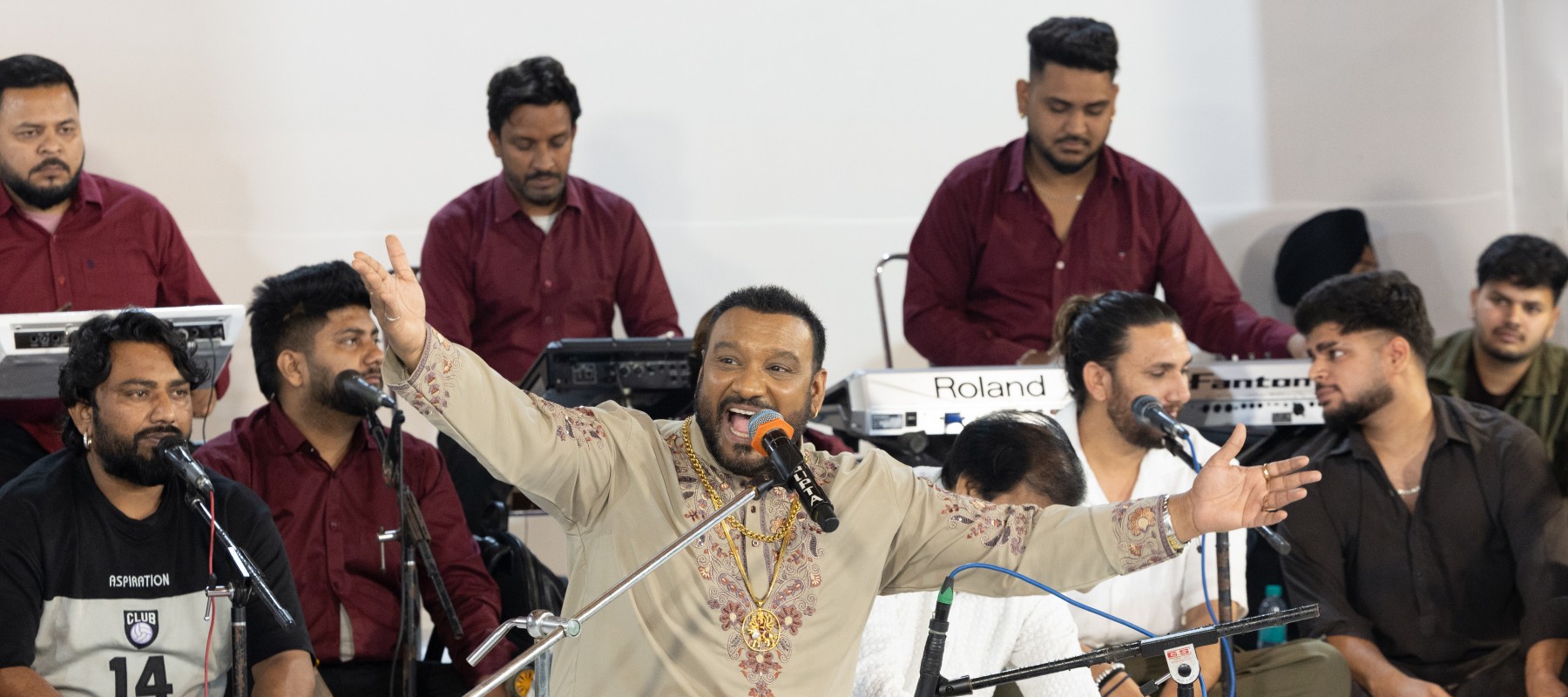
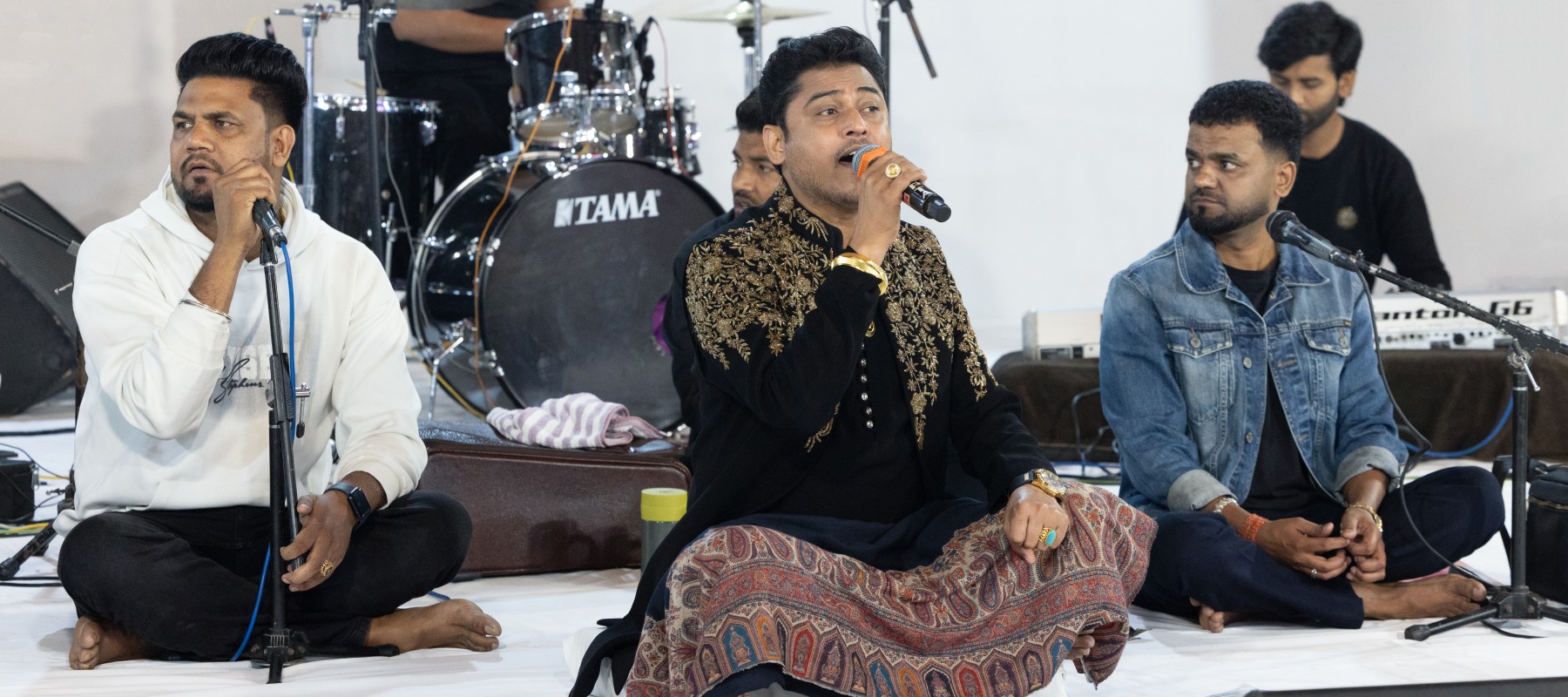
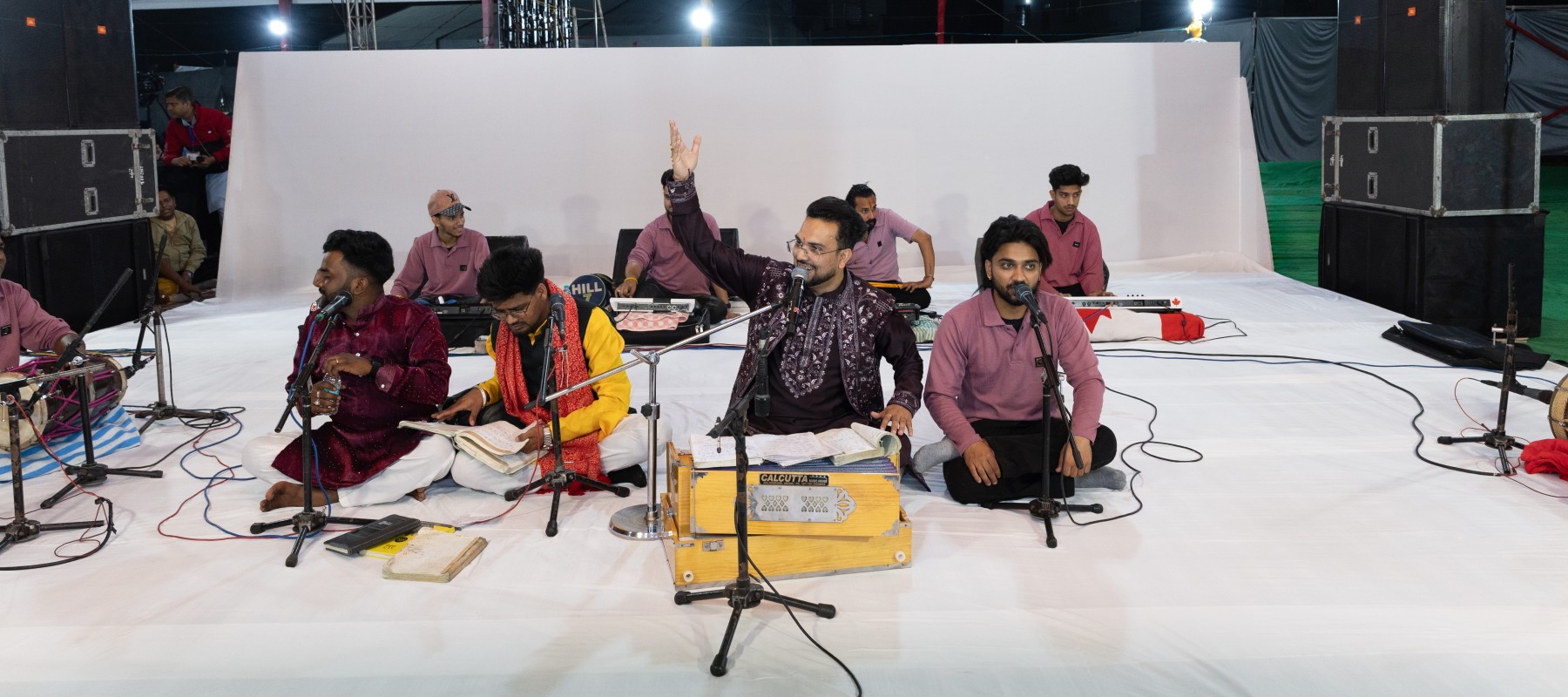
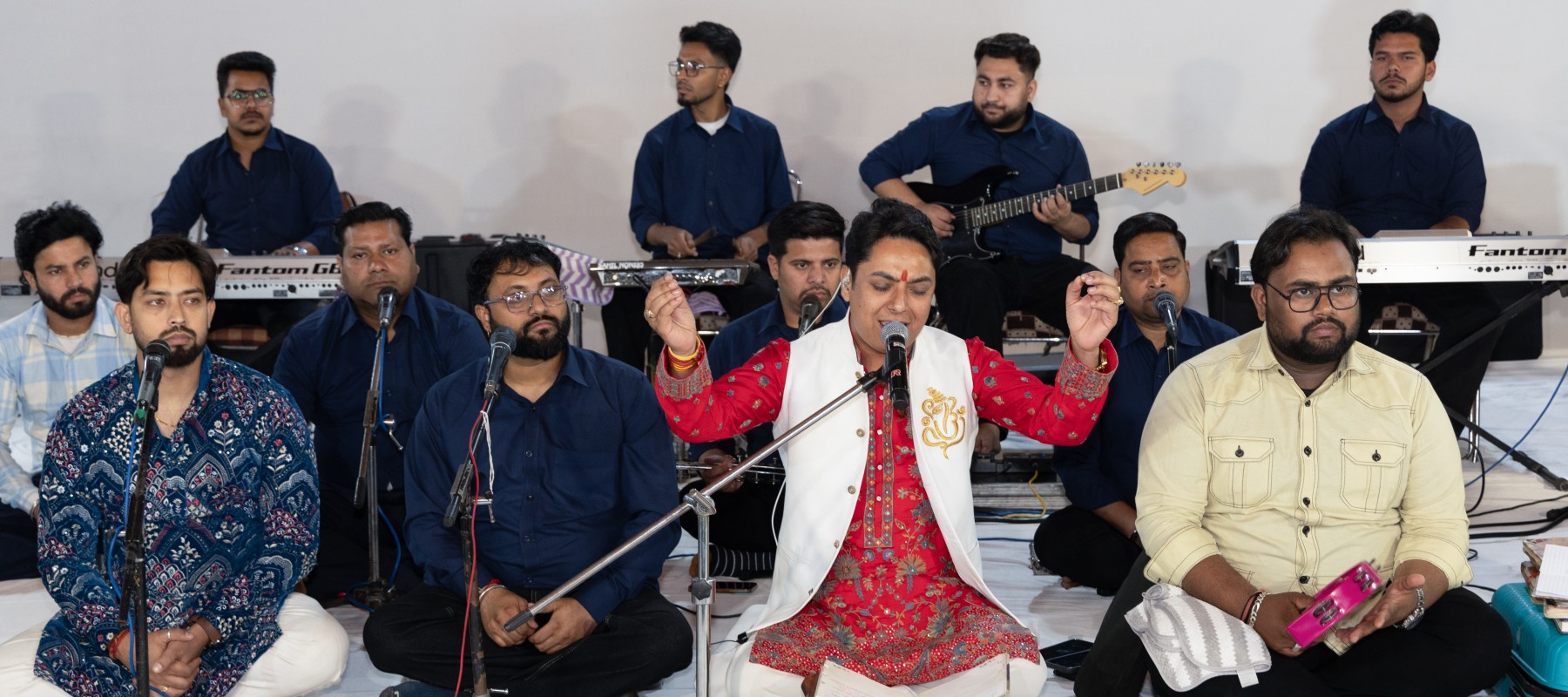
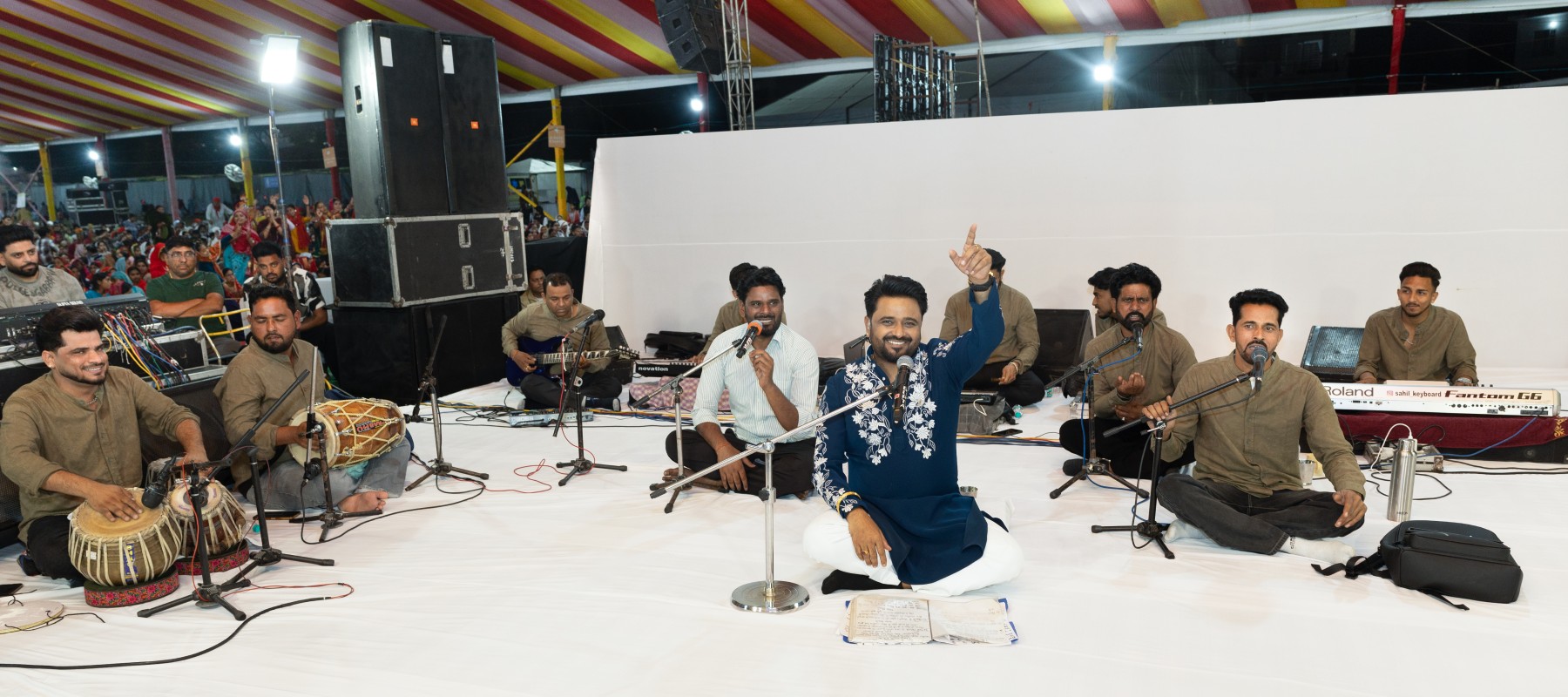
At 8 pm every day, devotional singers, including Feroz Khan, Master Saleem, Sardar Ali, Masha Ali, Roshan Prince, Gagan Mehra, Lovish Love, Vaneet Khan, Vivek Mahajan, Jonny Sufi, and Sonu Surjit, sang devotional songs. These performances enlivened the atmosphere and built up the anticipation among attendees.
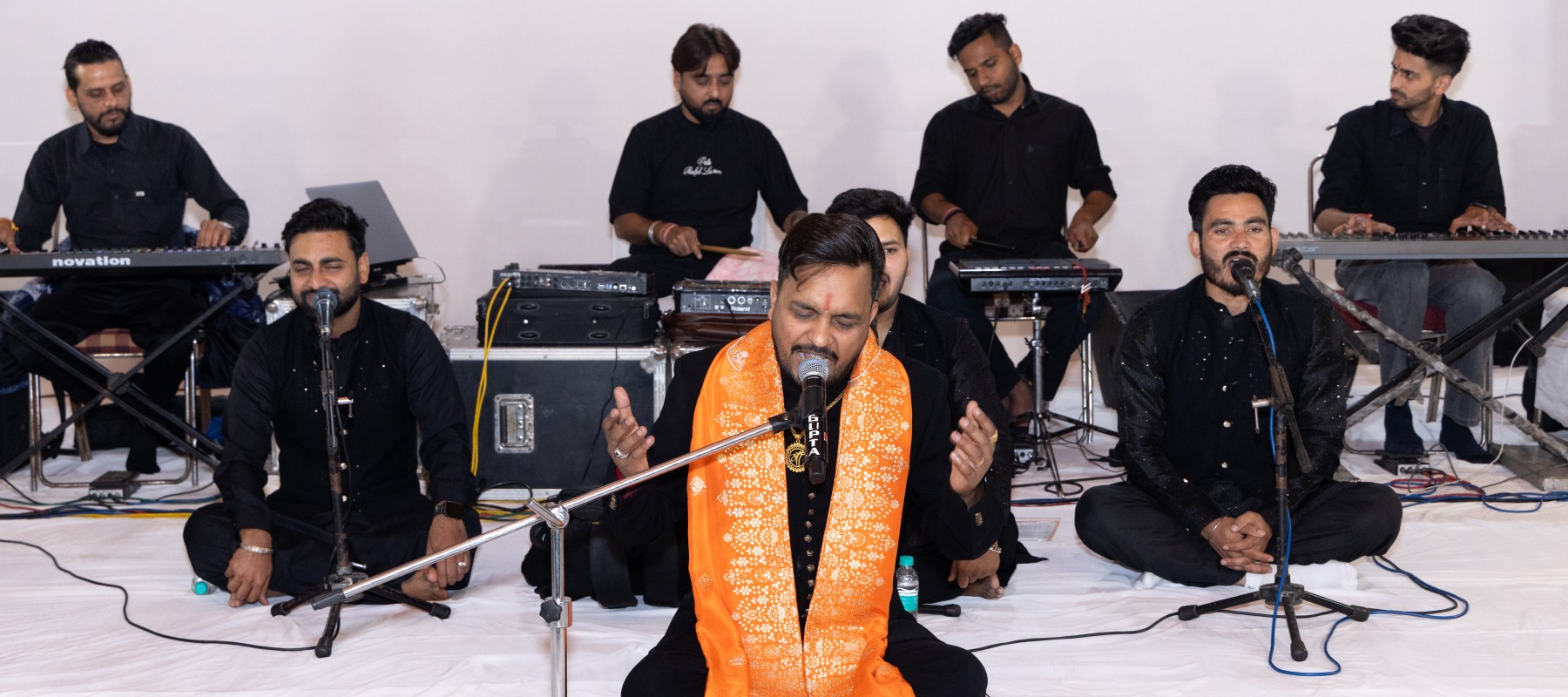
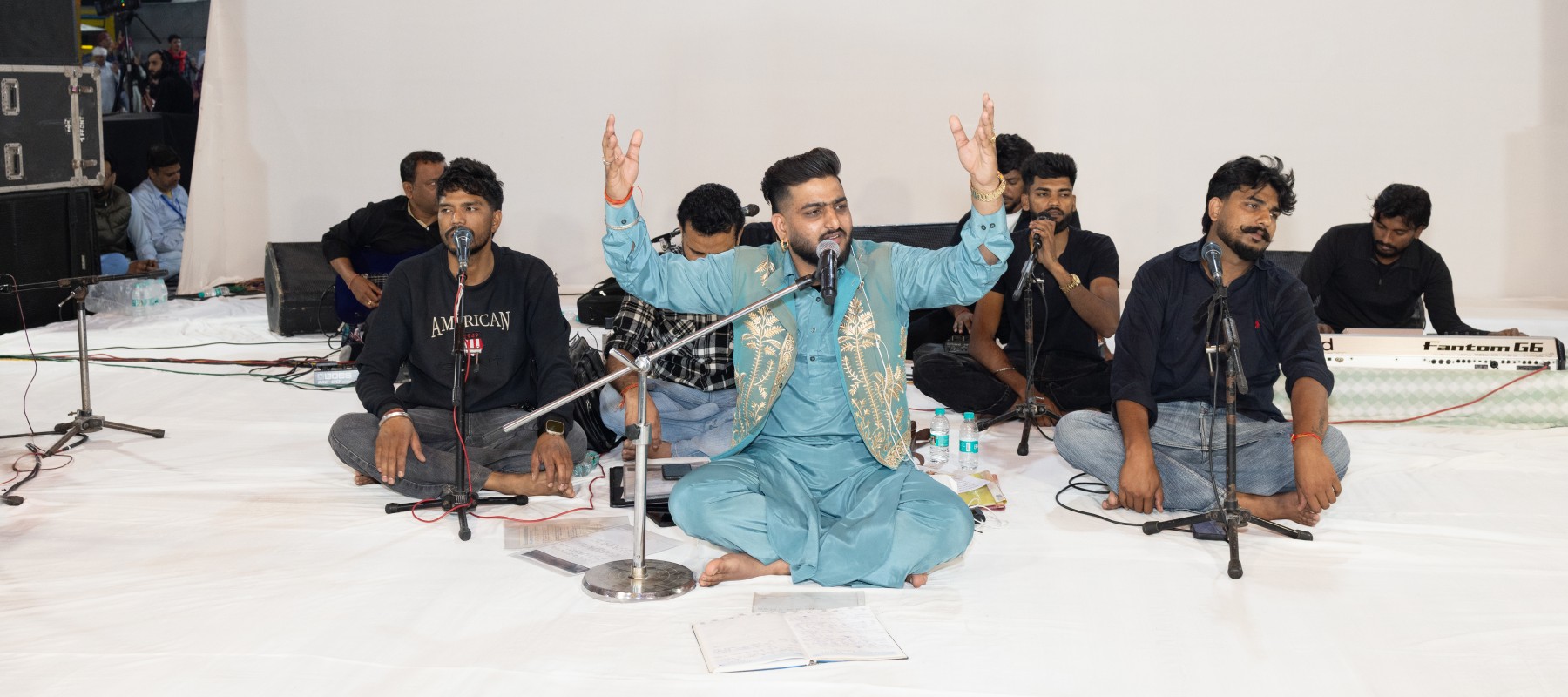
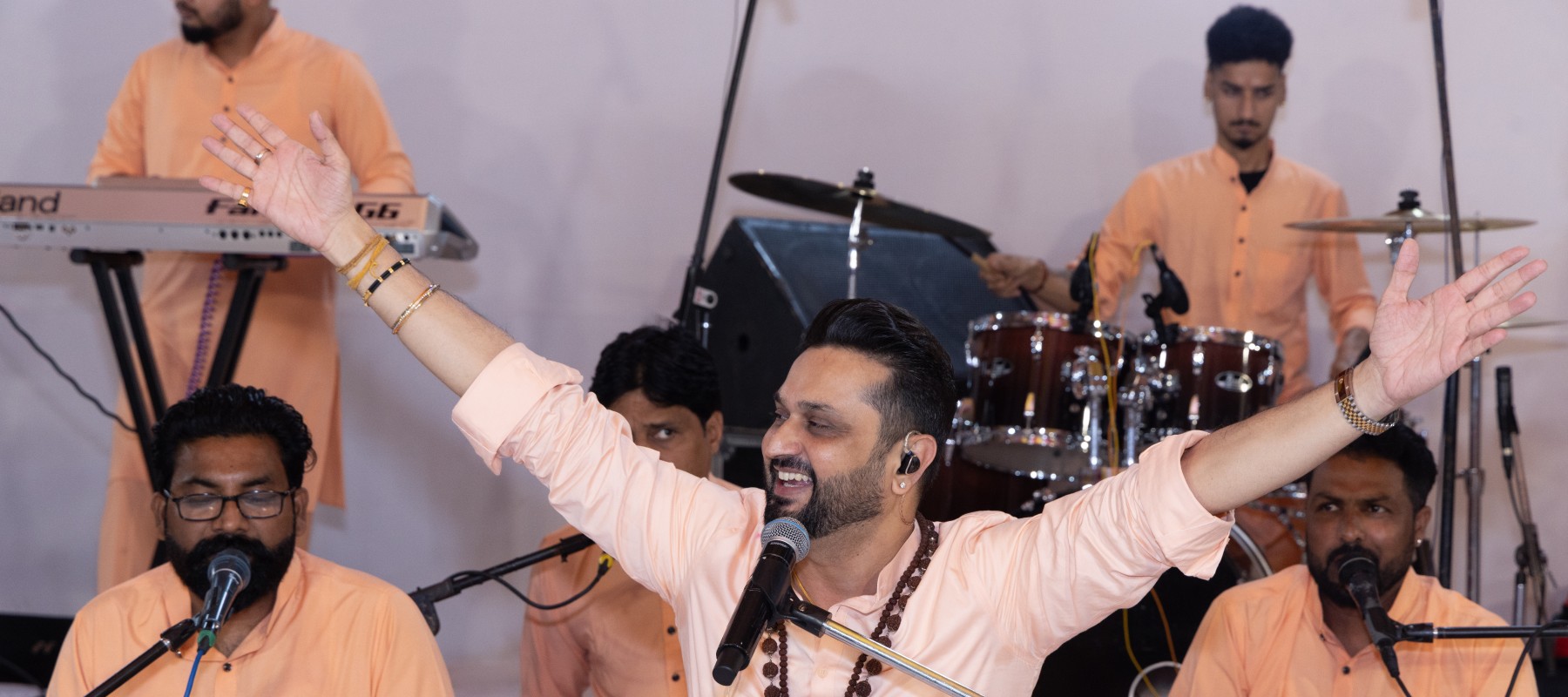
Sant Baljit Singh Ji’s arrival
The attendees enjoyed the devotional songs while also keeping their eyes on the LED screens, awaiting the display of Sant Baljit Singh Ji’s arrival. As Sant Baljit Singh Ji arrived, attendees welcomed him with continuous chants of “Jai Mata Di”.
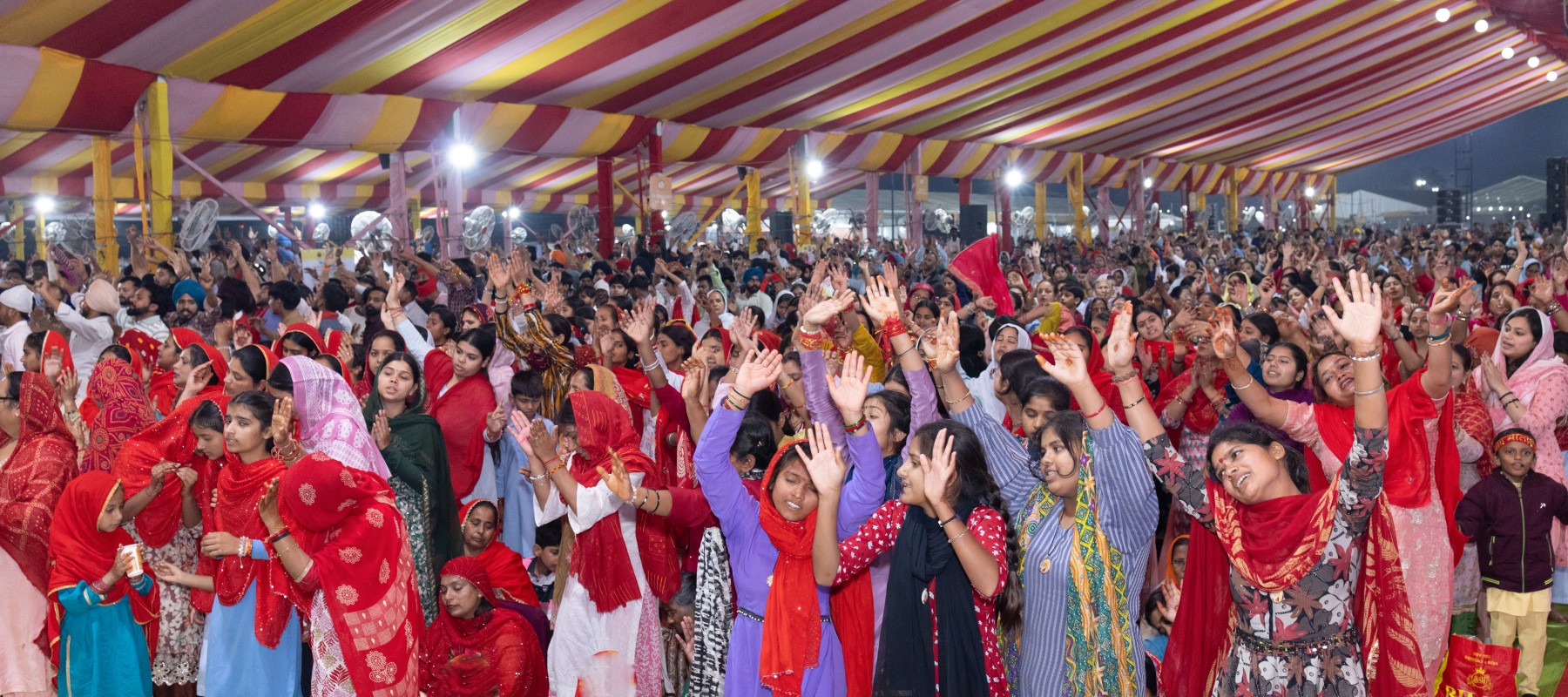
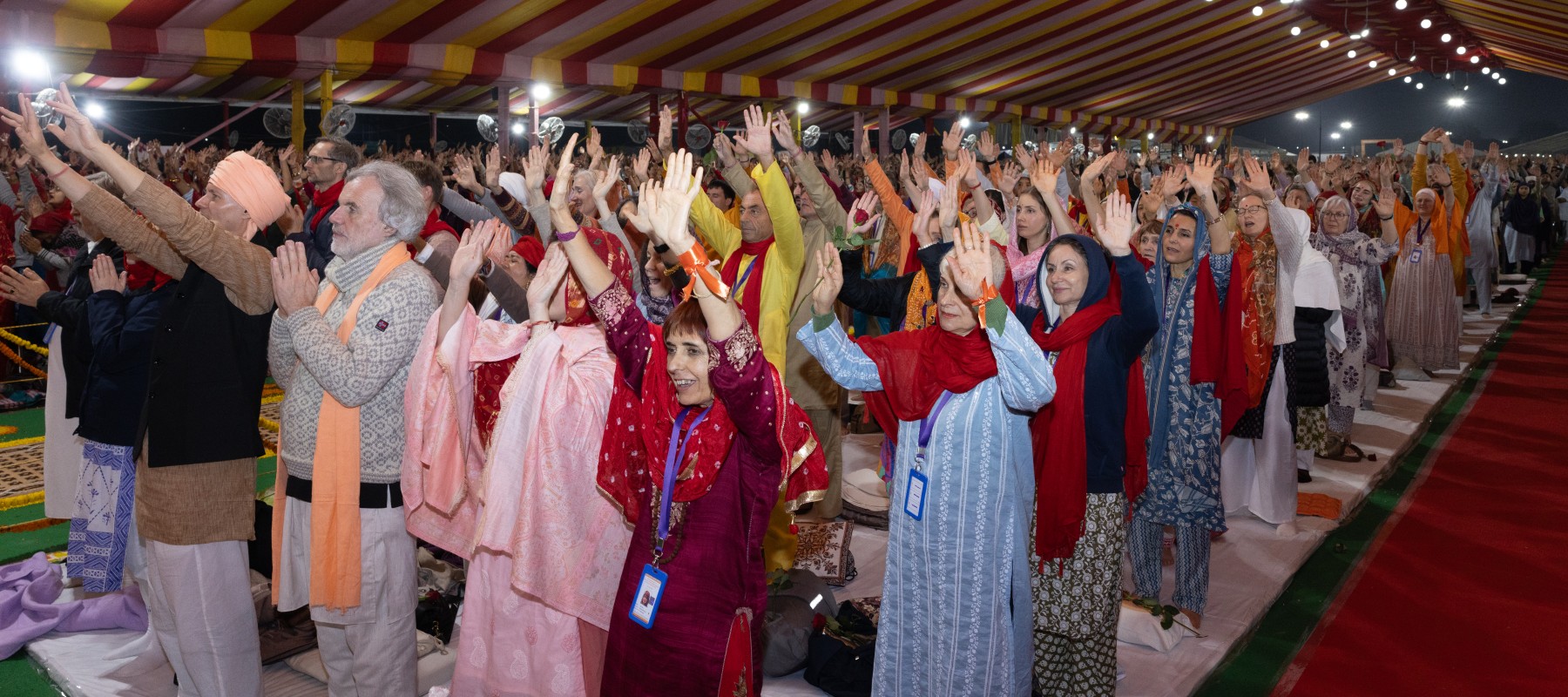
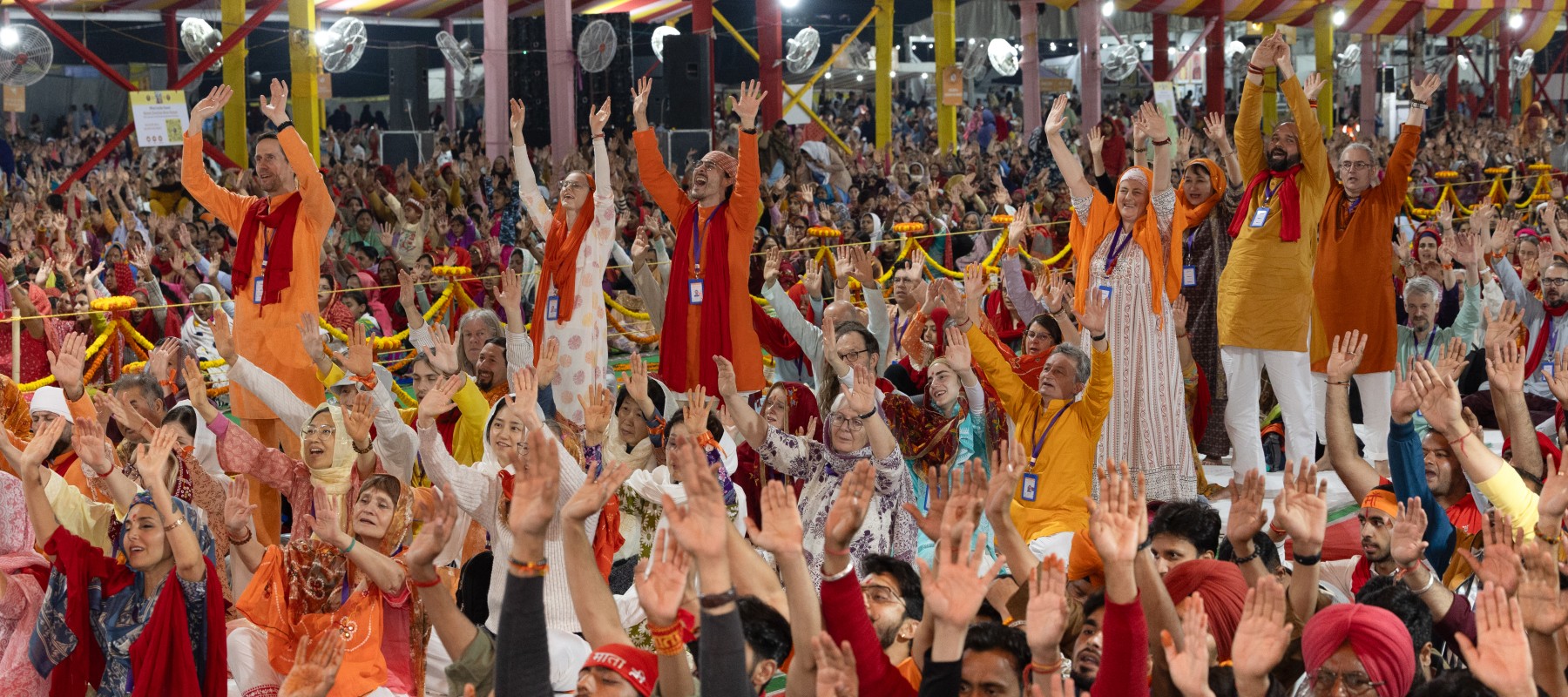
Each evening as Sant Baljit Singh Ji took his seat, the joy of the attendees became boundless. They sang, clapped, and danced, fully absorbed in the devotional music. Some attendees played along on traditional instruments, such as hand cymbals and the damru (a pellet drum). Sant Baljit Singh Ji warmly acknowledged the attendees’ devotion, looking across the entire crowd from one end to the other.
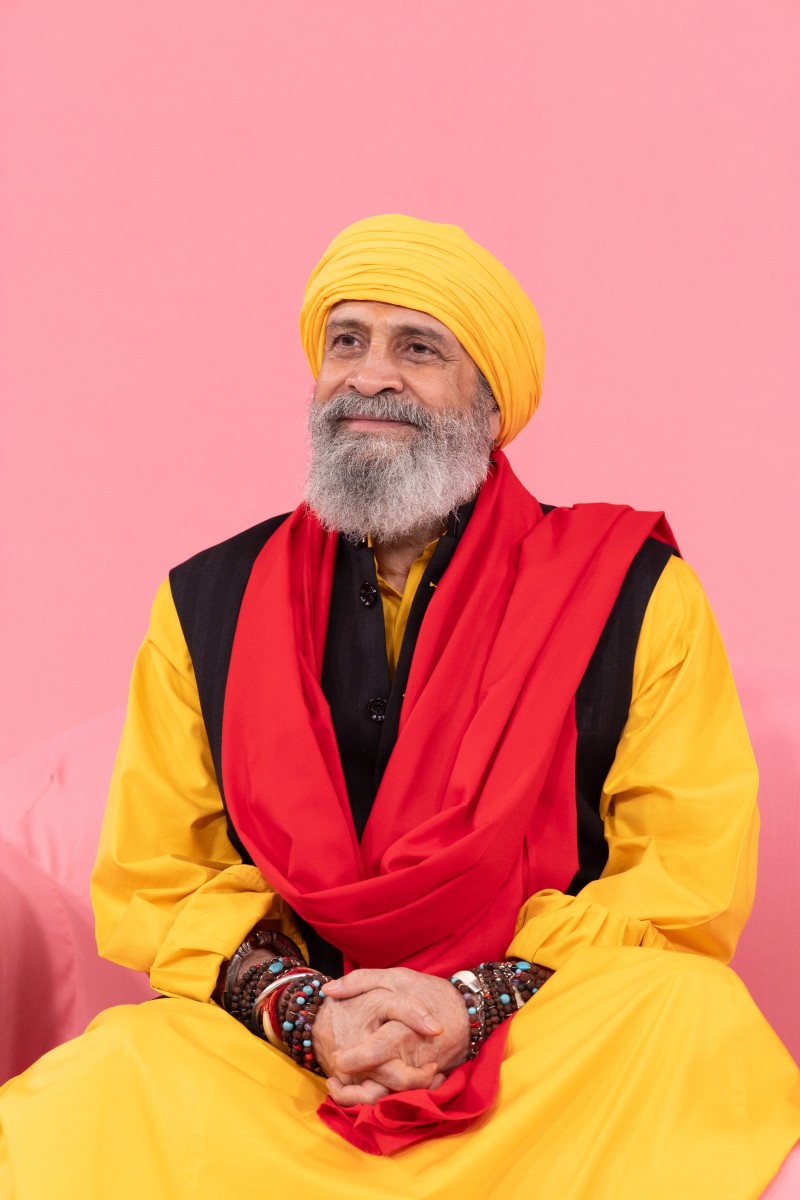
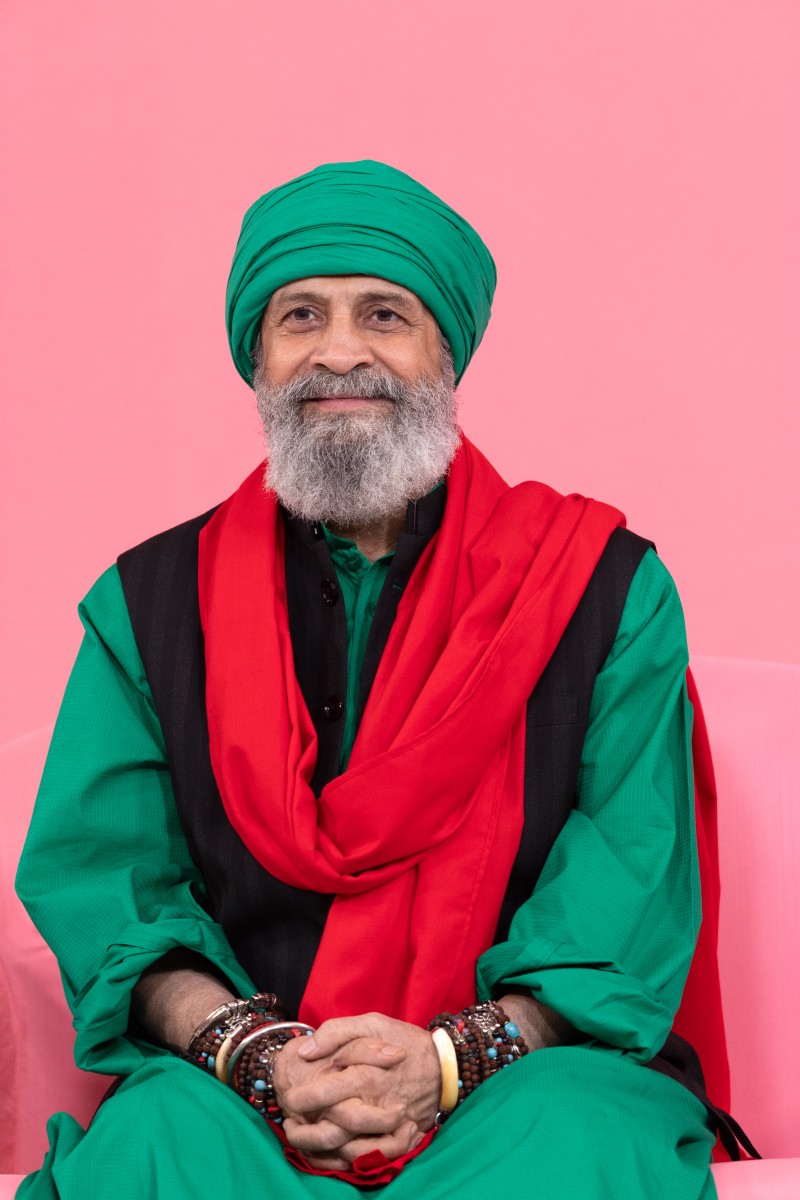
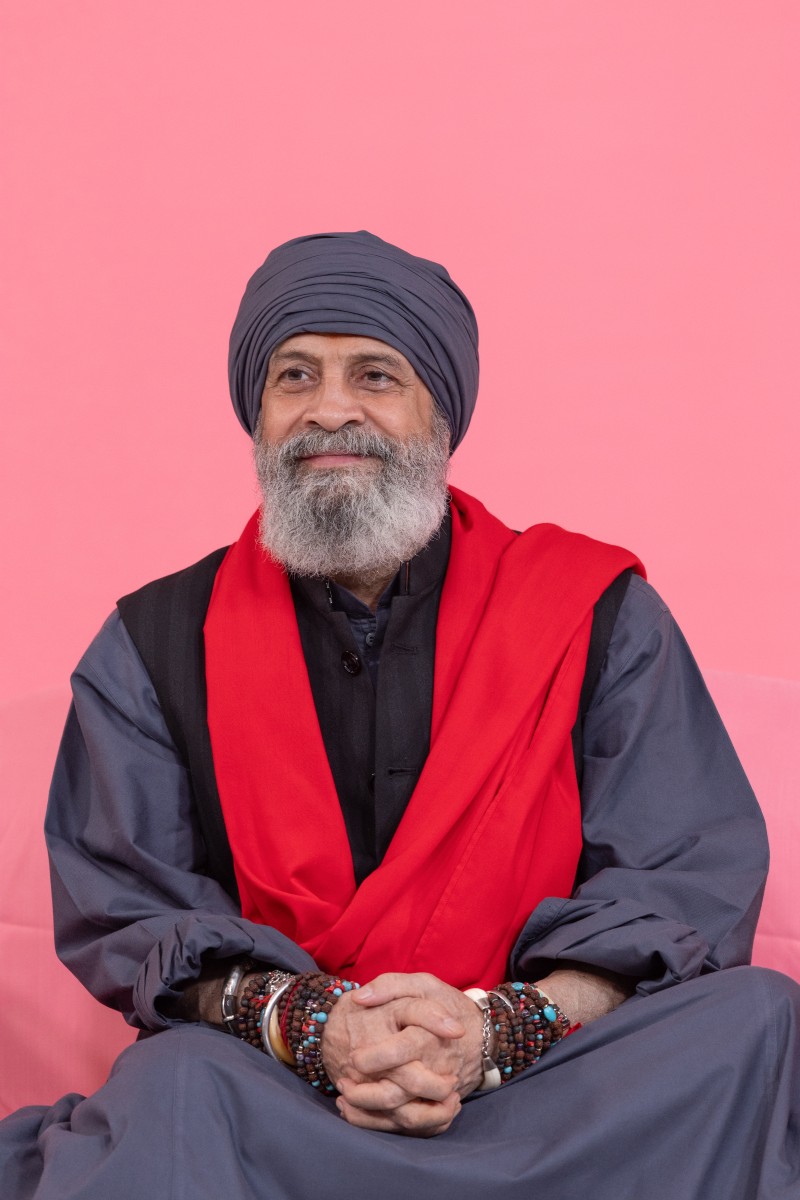
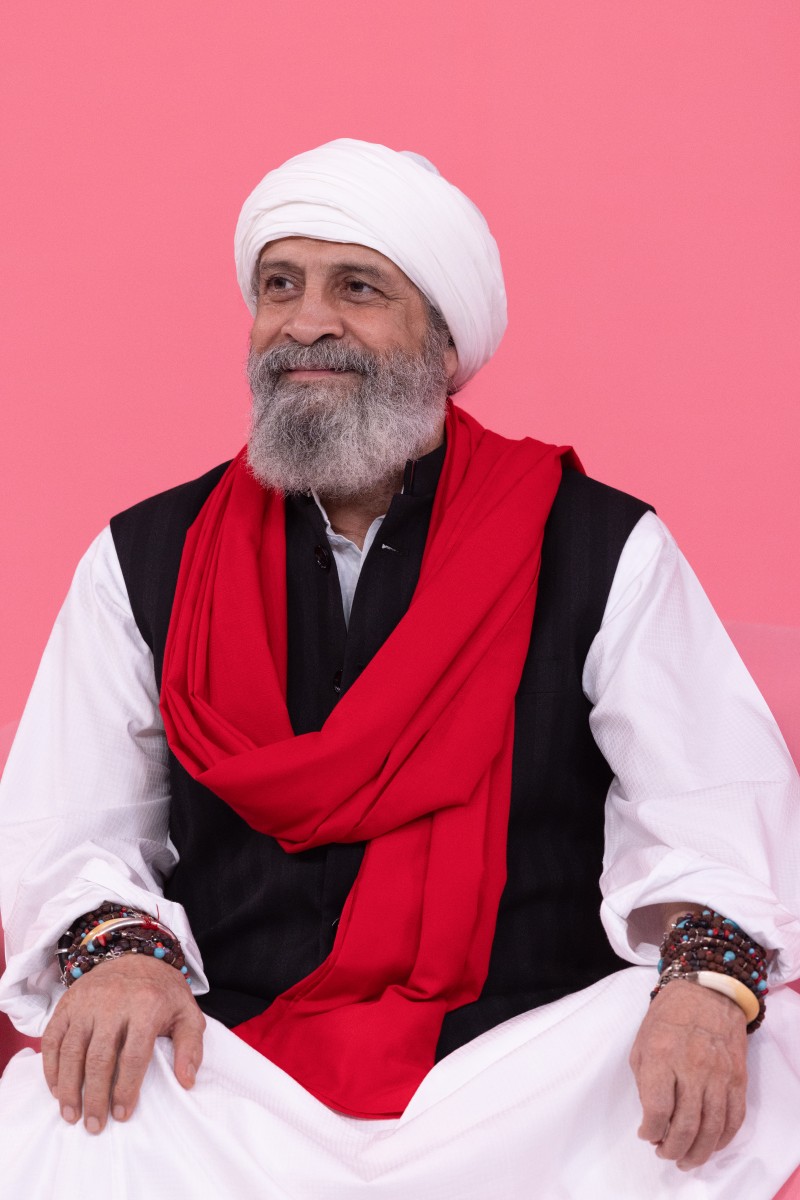
At times, devotional singers performed continuously, and the attendees responded with unwavering enthusiasm. There were also moments when the entire crowd stood and danced, filling the entire area with a deep sense of spiritual fervor. Meanwhile, VMRK volunteers moved through the sections, offering water to keep everyone hydrated.


Midnight blessings
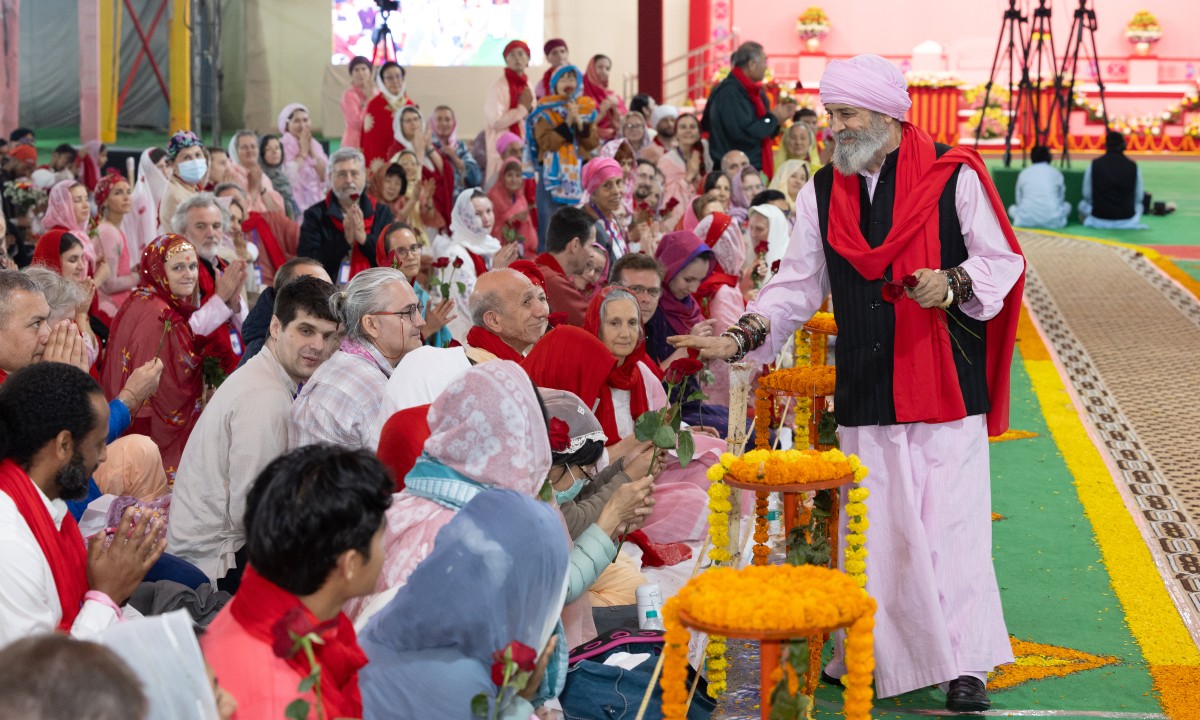
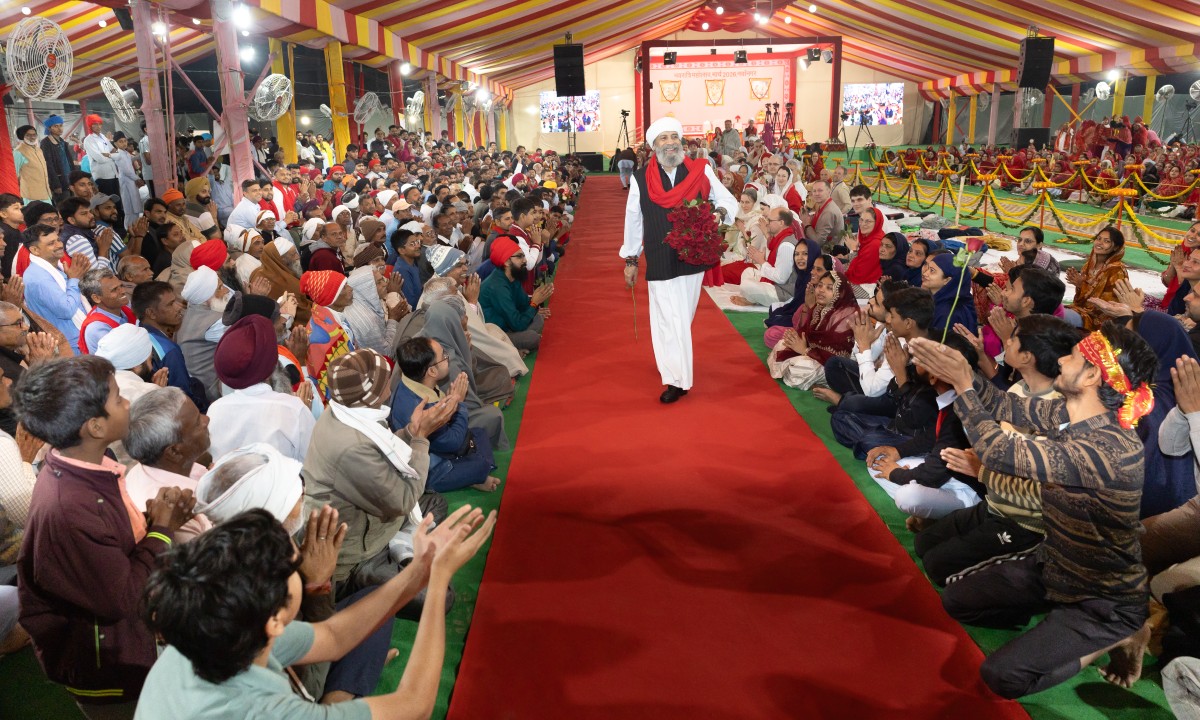
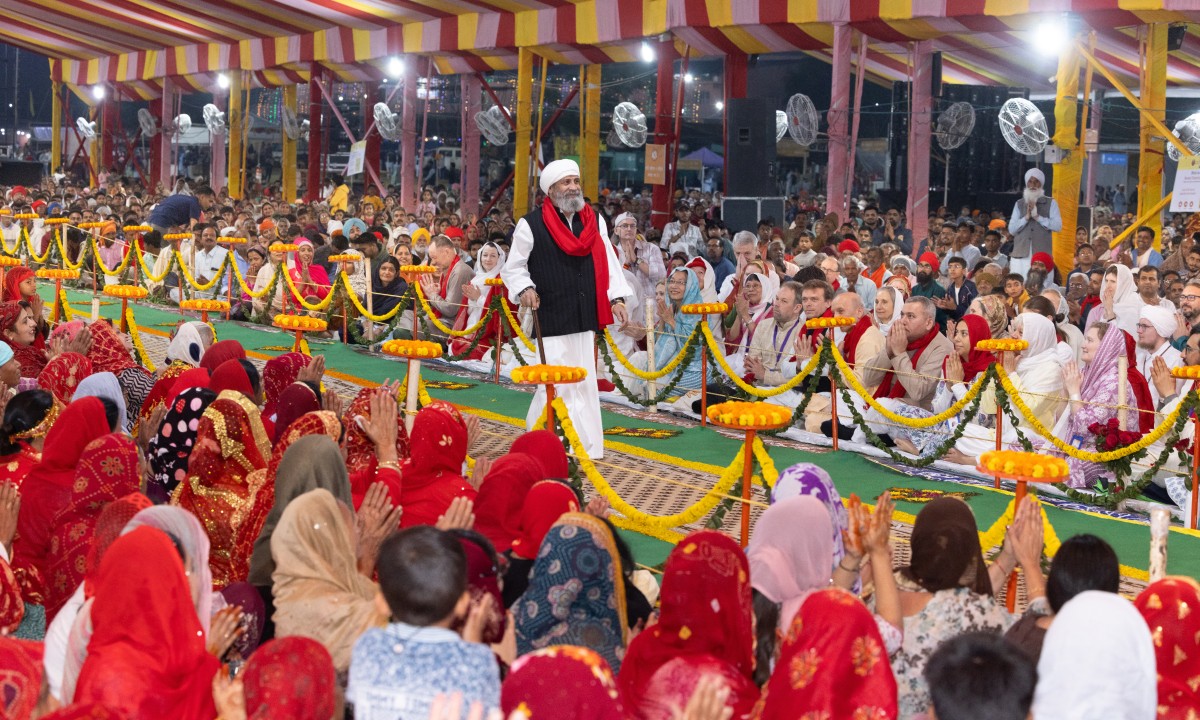
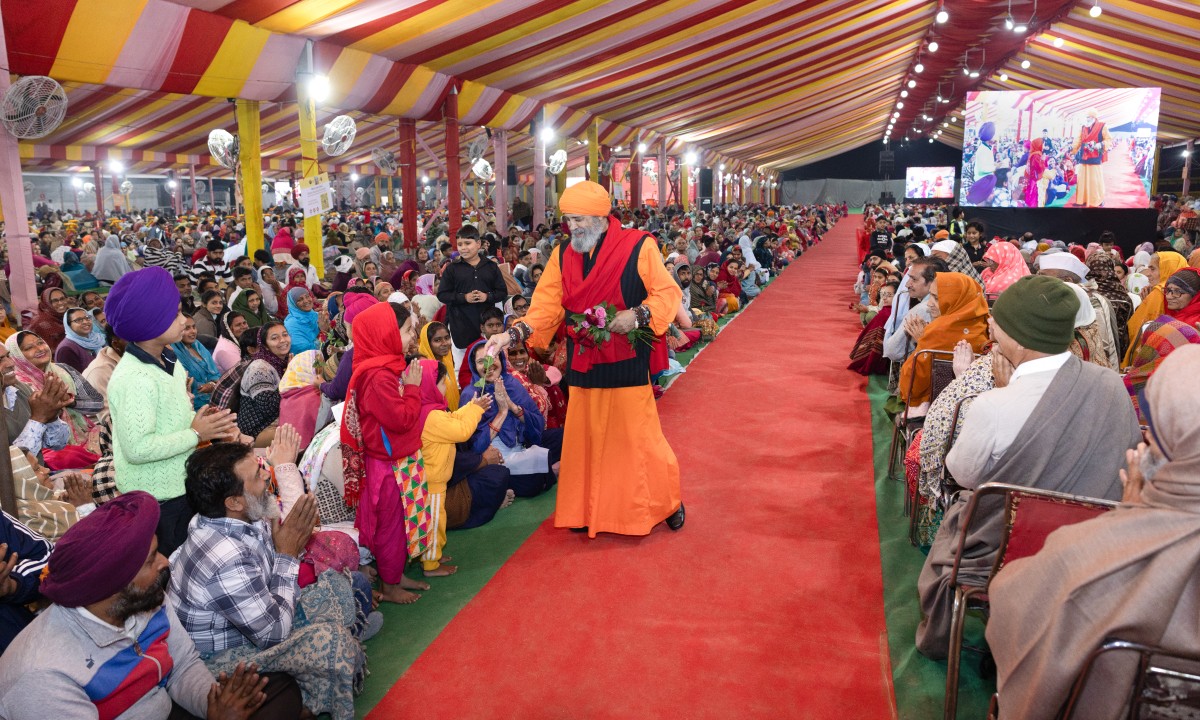
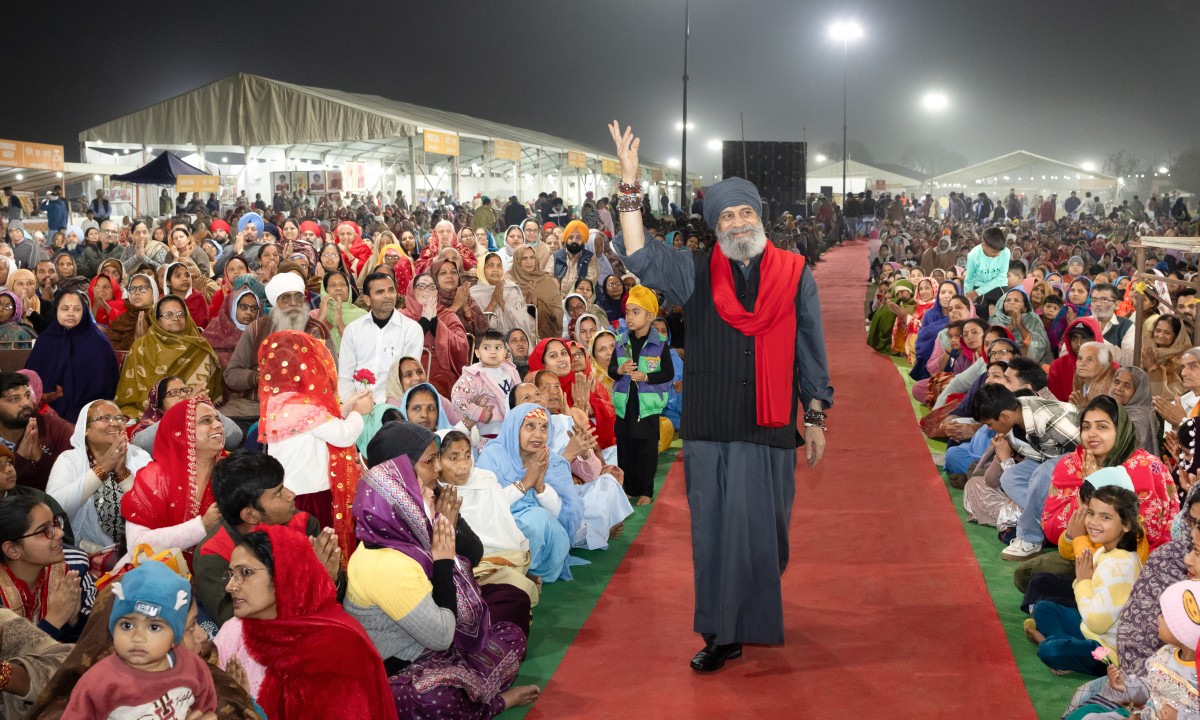
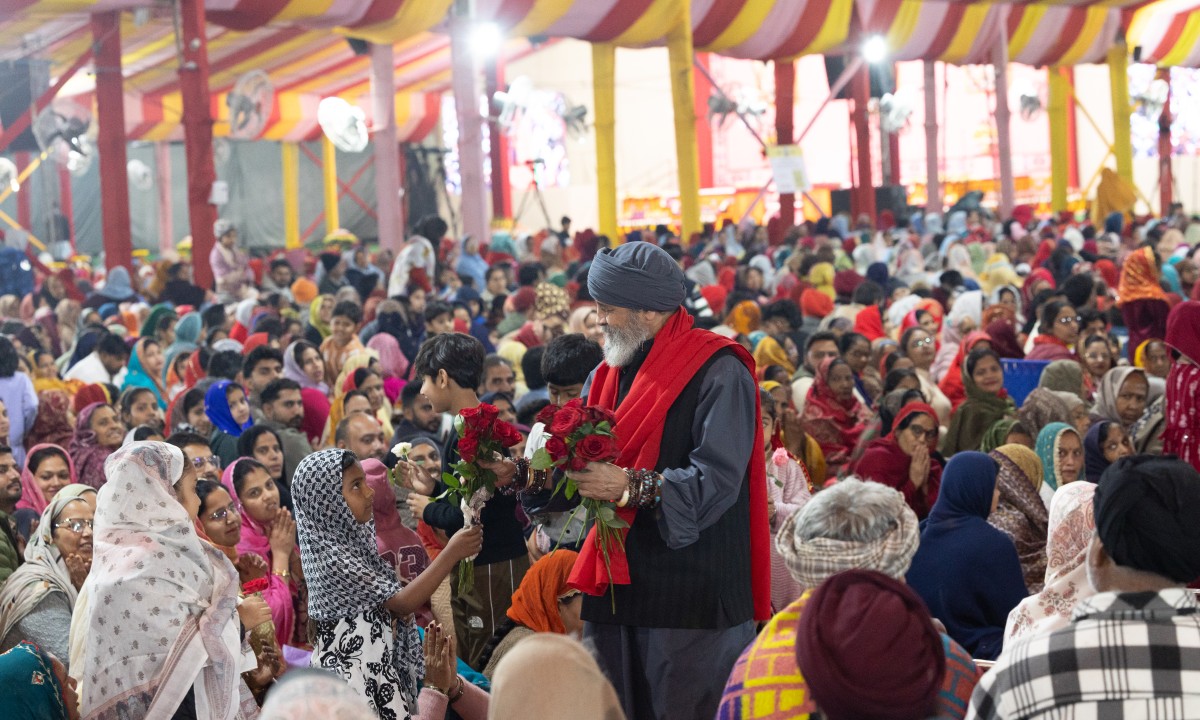
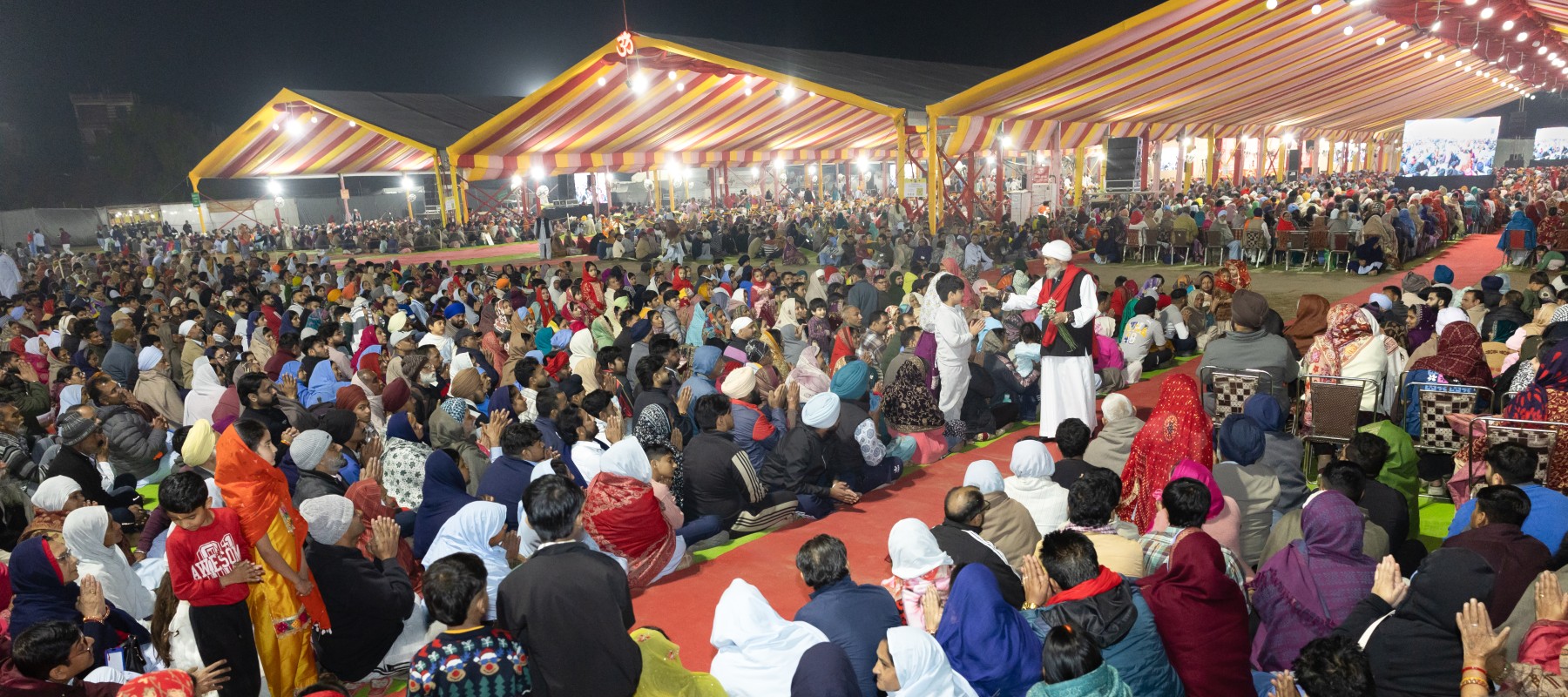
Close to midnight each night, Sant Baljit Singh Ji walked among attendees, creating a rousing cheer of devotion. During this time, little children and some elderly people offered him flowers, which he accepted by placing his hand over them. When bouquets appeared, he returned a single flower. Often, Sant Baljit Singh Ji’s hands filled with flowers, which he then distributed to others. After moving through the audience for more than an hour, he returned to the dais.
Each evening concluded with an Aarti dedicated to the Divine Cosmic Mother, which brought serenity to the gathering. Sant Baljit Singh Ji then briefly addressed the audience, congratulating them first on yet another day of the celebration. On the final night, Sant Baljit Singh Ji ended his short talk by noting that he would continue the discussion the following night at the spiritual discourse to honor our Grand Master’s birth anniversary. Attendees welcomed the news with joy, grateful that the festivities would continue.

Celebrating kanya pujan
In Indian culture, little girls, below the age of 10 years, are called kanya and are respected as a sign of the Divine Cosmic Mother. On March 27, 2026, all VMRK centers celebrated kanya pujan to worship the Divine Cosmic Mother through the worship of these little girls. There is a brief description of kanya pujan in our blog post, 2024 Autumn (Ashvin) Navratri Festival.



Chaitra Navratri charitable services
Alongside the devotional celebration, VMRK, as a customary practice, carried out multiple charitable activities from March 18–27, 2026. These are summarized below.
Medical and hygiene camps
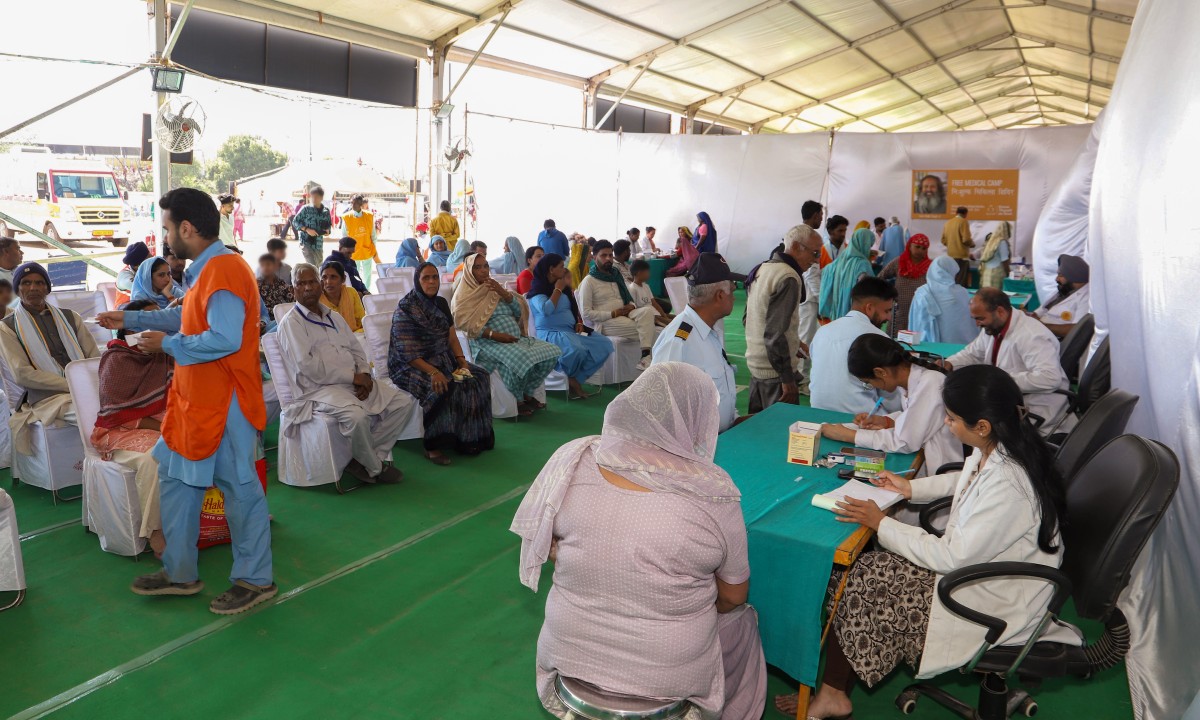
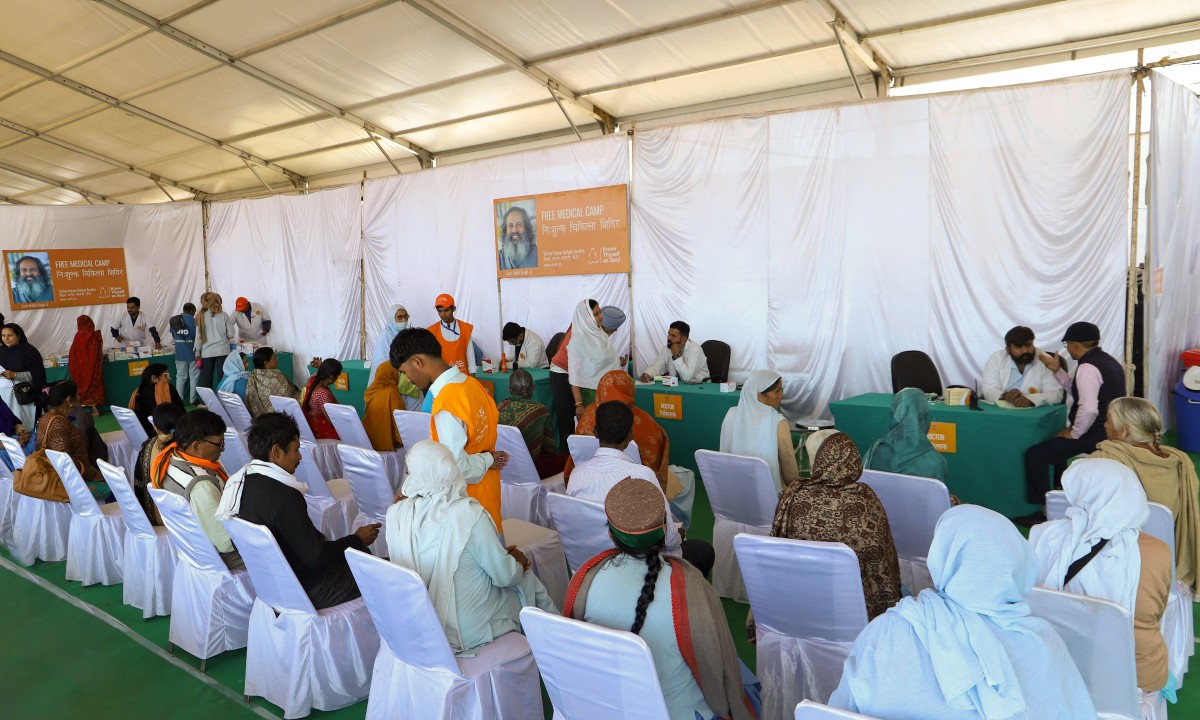
VMRK organized a 24-hour medical camp with a 22-bed clinical treatment center at the event grounds from March 18–27. In preparation, VMRK volunteers assessed and replenished the medicine stock depleted after serving at various pilgrimages. They also arranged essential medical equipment such as a nebulizer, oxygen concentrator, oxygen cylinders, ECG machine, multipara monitor, and a vaccine storage refrigerator.
Thousands of patients were treated during the camp, and more than 40 of them received in-house medical care. A large number presented with high fever, stomach infections, cough, cold, skin infections, constipation, vomiting, body pain, muscle strain, and stomach acidity. Many children had skin rashes and respiratory issues. These patients received free consultations, medicines, first aid, and physiotherapy treatment from the team of 51 medical professionals and 40 VMRK volunteers. In addition, five ambulances were stationed at different locations across the event grounds to provide emergency services.
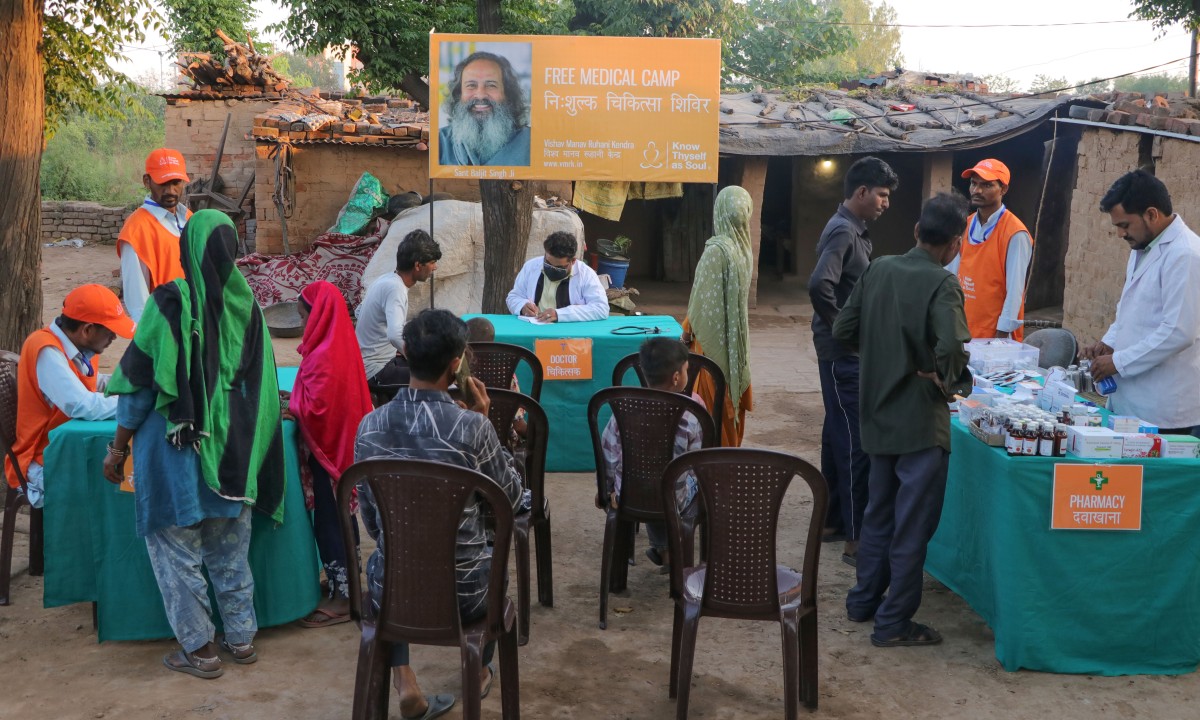
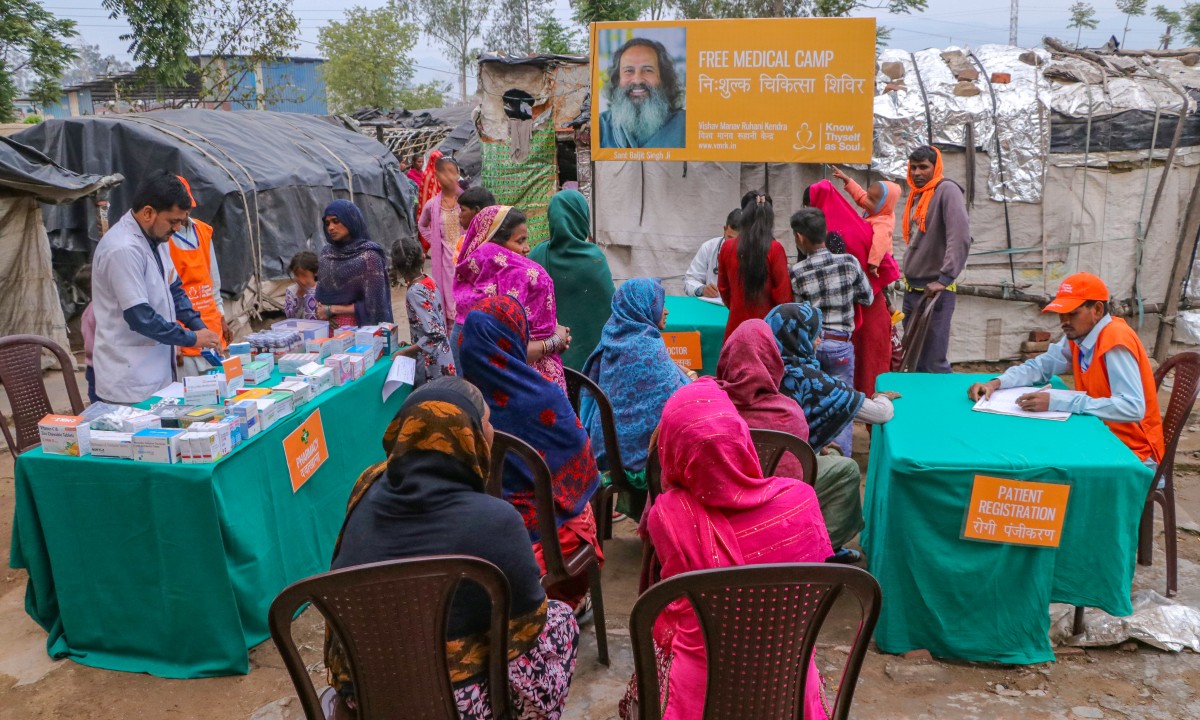
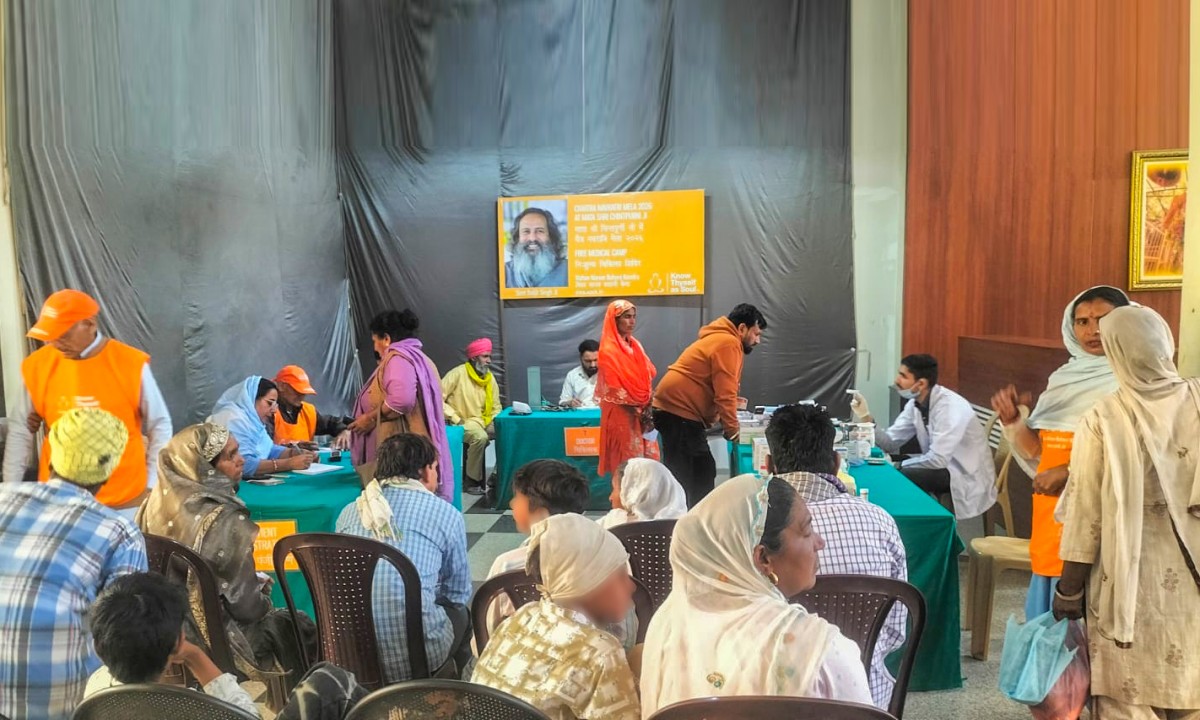
VMRK also organized six medical camps in slums and villages of the Indian states of Haryana and Himachal Pradesh. These camps typically ran from afternoon to early evening. Staffed by a team of 8 medical professionals and VMRK volunteers, these camps offered free medical care to serve more than 350 patients.
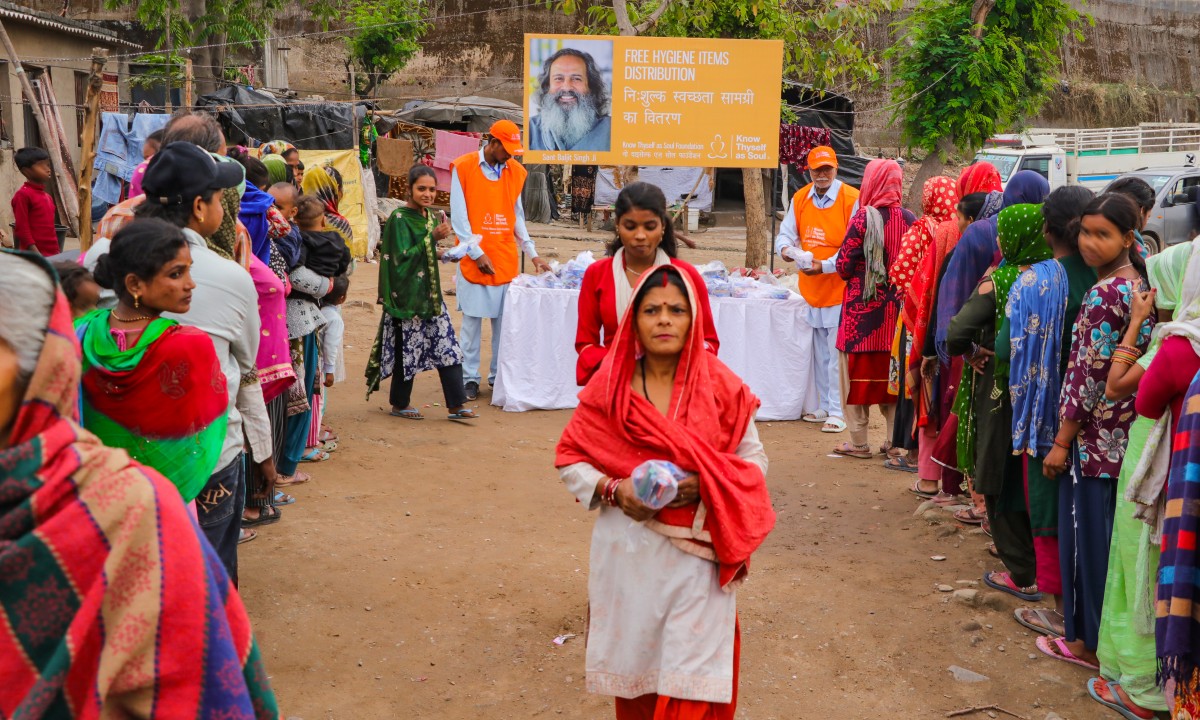
Four of these slums lacked proper sanitation services, and many residents could not afford personal hygiene items. VMRK therefore also distributed more than 320 hygiene kits to those in need within these areas while educating them on the importance of basic hygiene.
Charitable services at temples
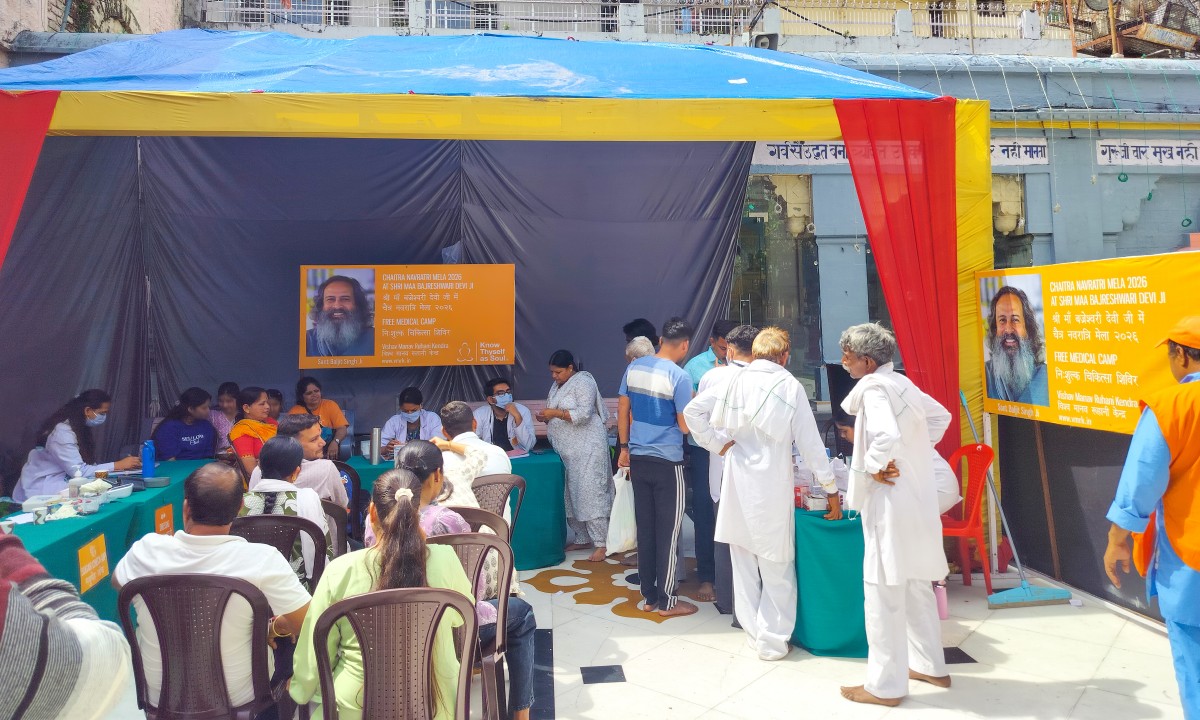
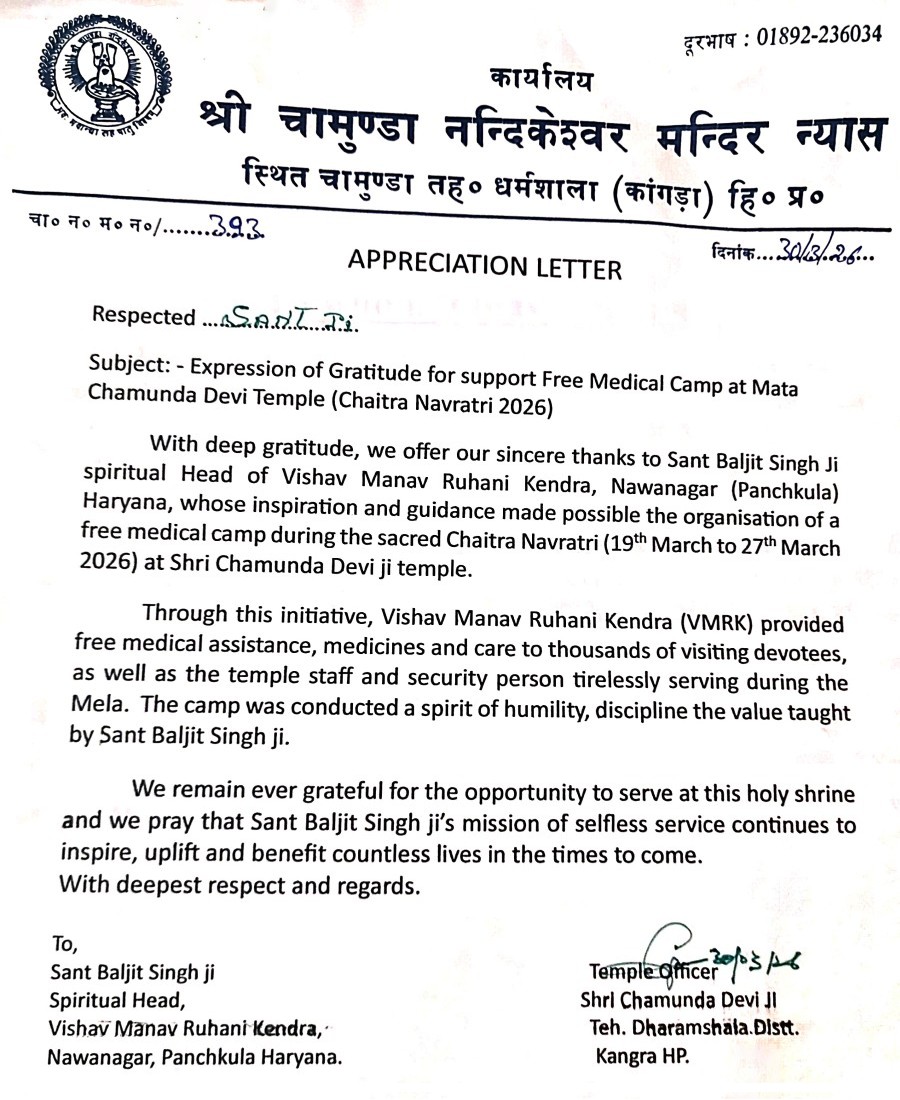
During the Ashvin Navratri 2025 celebration, VMRK organized medical camps at four temples dedicated to different forms of Goddess Shakti: Shri Maa Jwala Devi Ji, Shri Maa Bajreshwari Devi Ji, Mata Shri Chintpurni Ji, and Shri Maa Chamunda Devi Ji. Satisfied with the services, the respective local administrations welcomed VMRK to offer the services again. Grateful for another opportunity, VMRK prepared a roster of medical staff and volunteers. Volunteers packed and loaded the medical supplies into vehicles before departing Lighthouse Center Nawan Nagar for the temples.
Heavy rainfall made the mountainous routes difficult to travel. About 800 meters from Shri Maa Bajreshwari Devi Ji, the road became too steep for the vehicle. Volunteers stepped out and carried all materials on foot for two hours, making multiple trips in the downpour. Despite these challenges, they managed to set up all four locations in time to begin the camps on March 19.
Each day, the camps operated from early morning to evening, during devotee visiting hours. The initial days were particularly challenging as strong winds pushed rain into the camps. Our volunteers quickly reorganized the layout to protect the medicines and equipment.
Many devotees had traveled long distances to reach the temples. Fatigued, they came to the camps with body pain, vomiting, or diarrhea. Others experienced similar discomfort after waiting for three to six hours for darshan. When pilgrims fainted in the queue, the medical team responded immediately. The inclement weather also contributed to many colds, coughs, fevers, and slip injuries.
The medical team offered free consultations, medicines, and first aid to all who came. Many patients returned to the camps to share their recovery, bringing great joy to our volunteers. Over the nine days of service, VMRK offered free medical care to more than 8,480 individuals across all four locations.
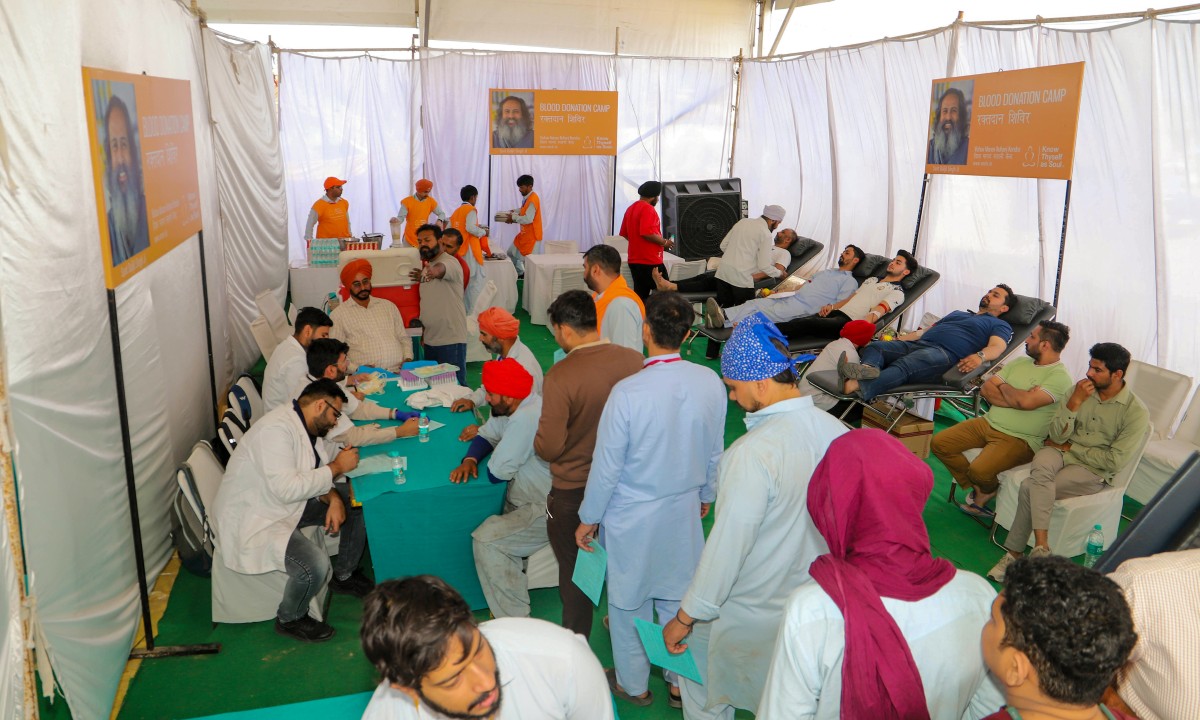
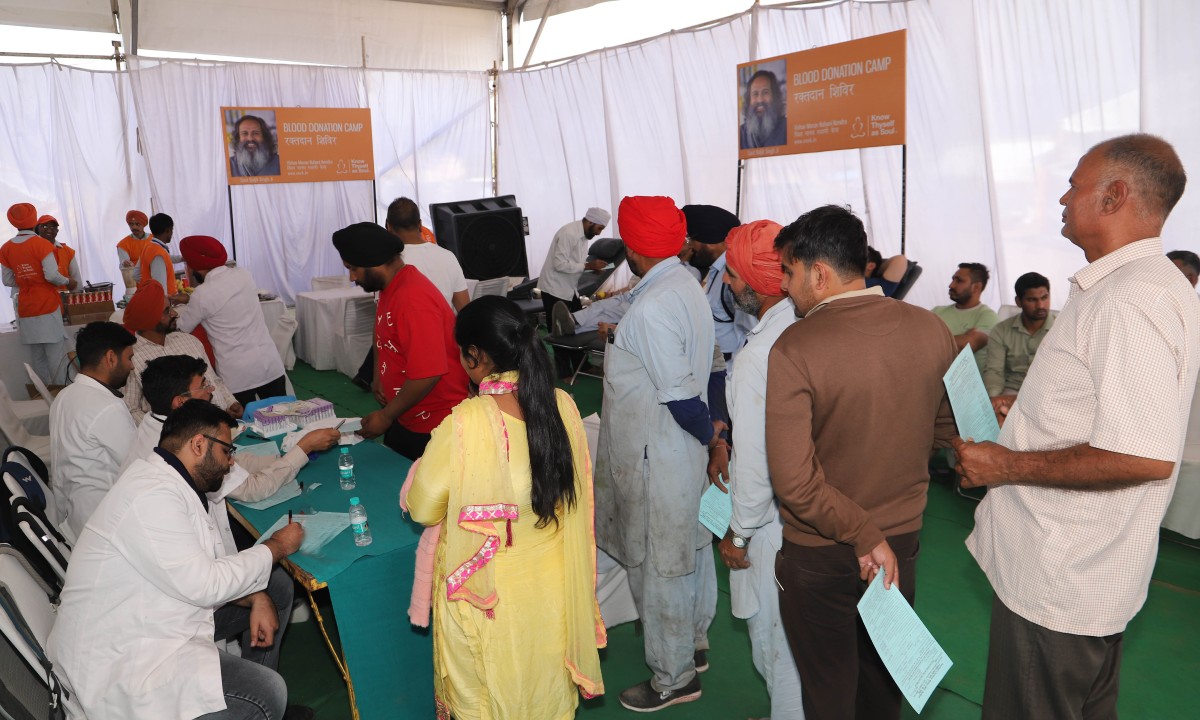
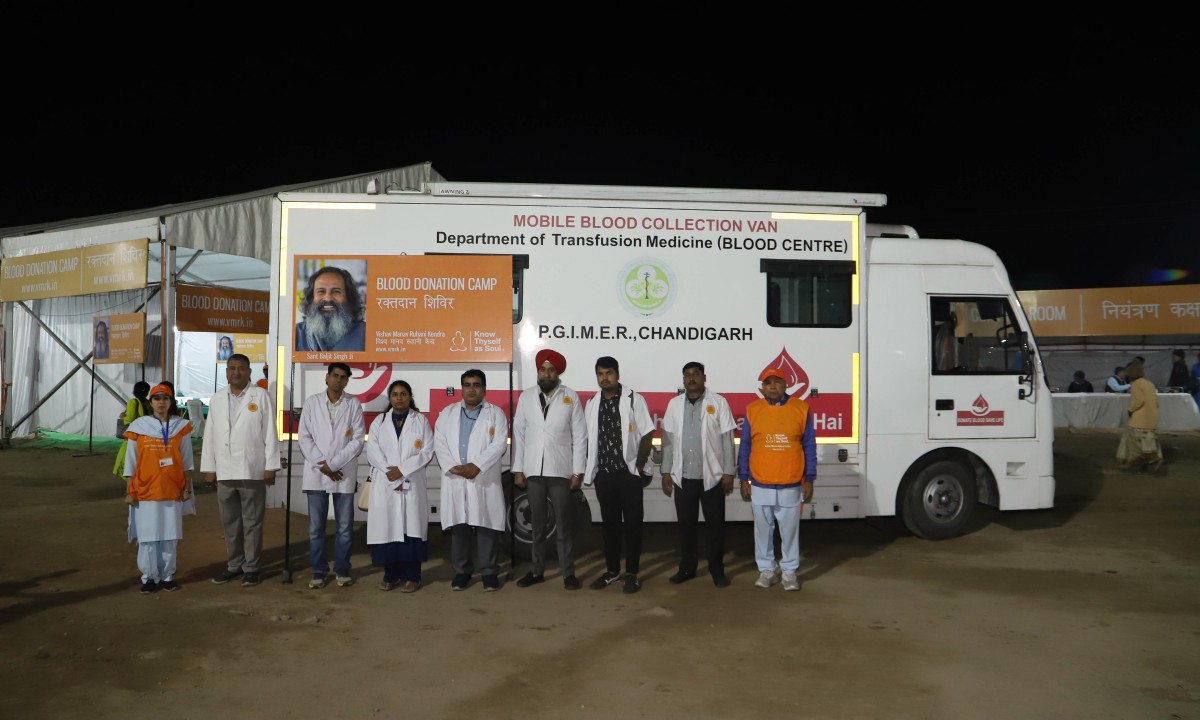
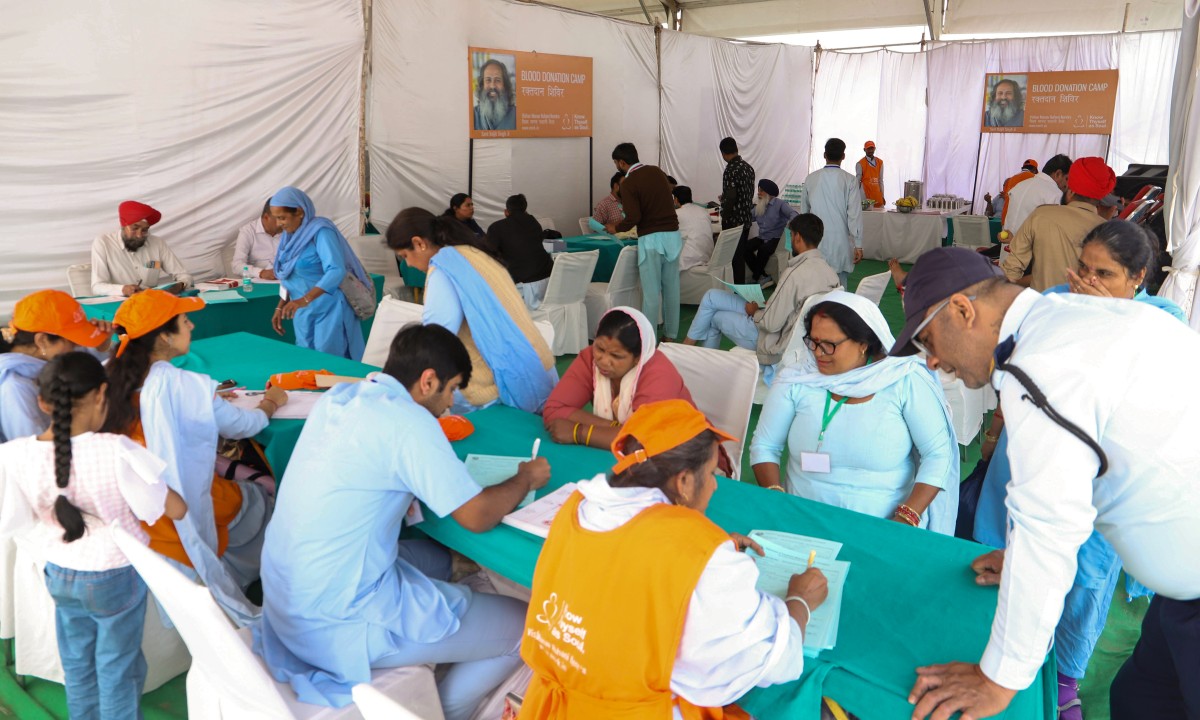
Blood donation camp
VMRK organized a two-day blood donation camp on March 21–22, the busiest days of the celebration. Held in collaboration with blood bank teams from the Postgraduate Institute of Medical Education and Research (PGIMER) and the Government Medical College & Hospital, the drive collected a total of 112 units (39.2 liters) of blood.
Educational materials distribution
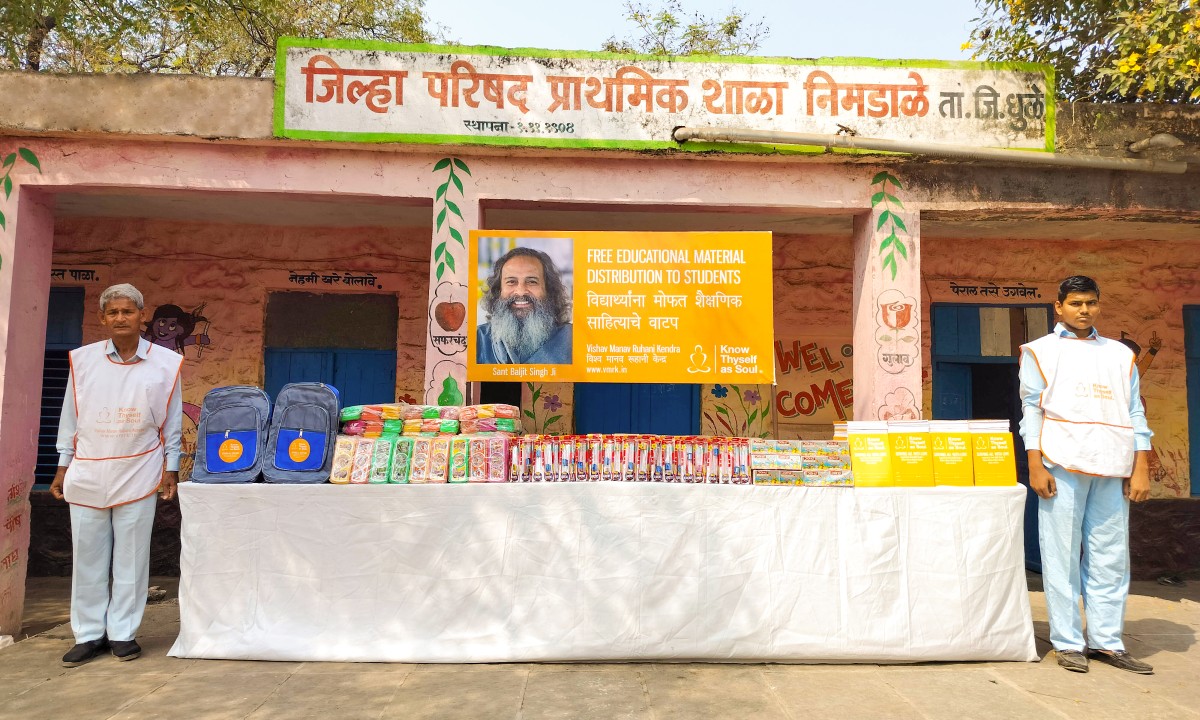
VMRK also carried out an educational drive to support more than 1,990 underprivileged students. Local VMRK volunteers reached out to 44 schools across Indian states near Lighthouse Center Nawan Nagar—Haryana, Punjab, and Himachal Pradesh—and the far-off state of Maharashtra. Then volunteers procured and packed the items to meet the assessed needs of each school.
Reaching some of the schools was challenging due to non-motorable hilly tracks and rainy conditions. Volunteers walked along muddy paths, carrying educational supplies on their backs, and took brief rest breaks along the way. When they arrived, the children’s excitement upon receiving the supplies created a lasting and happy memory for all in attendance.
We wish to express our gratitude to Sant Baljit Singh Ji, the spiritual head of VMRK. Through VMRK, educational materials including school bags and stationery kits were donated to 187 children from underprivileged families, thereby making a selfless contribution to our school.
We appreciate the immense hard work and dedication demonstrated by the VMRK volunteers under the inspiration of Sant Baljit Singh Ji. Our heartfelt thanks.
Head Teacher, Govt. Primary School, Chatoli, Mohali, Punjab